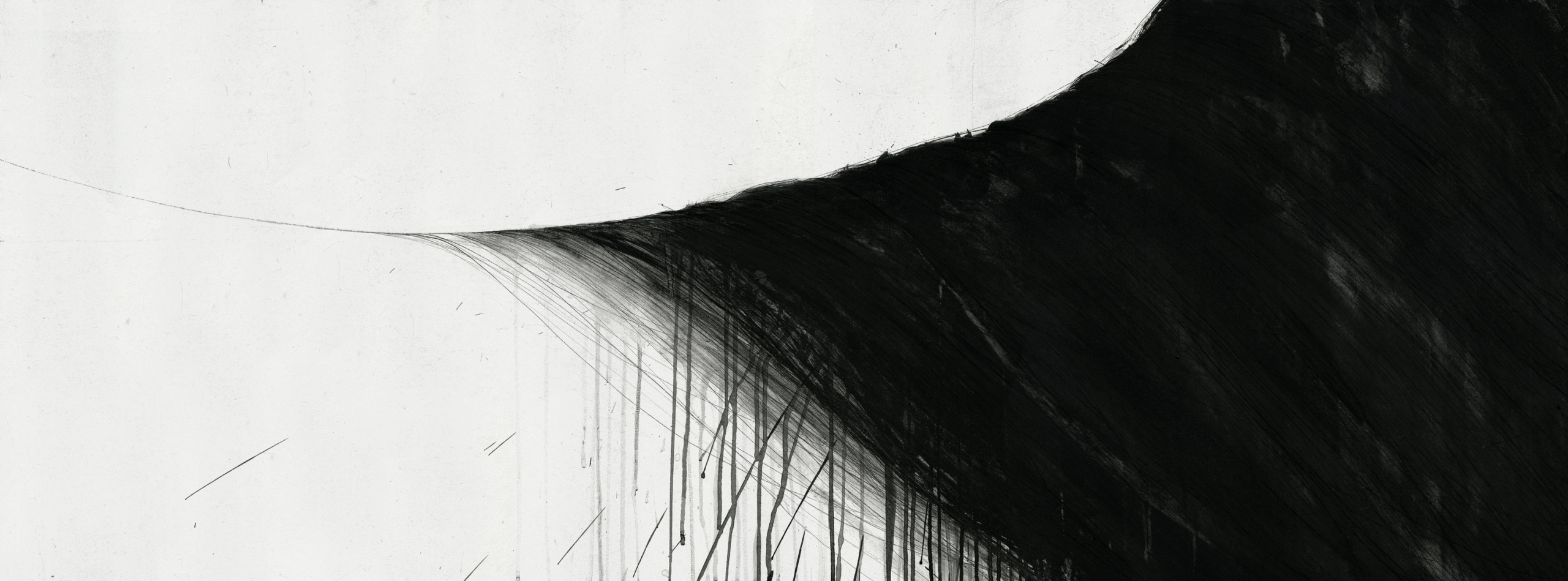
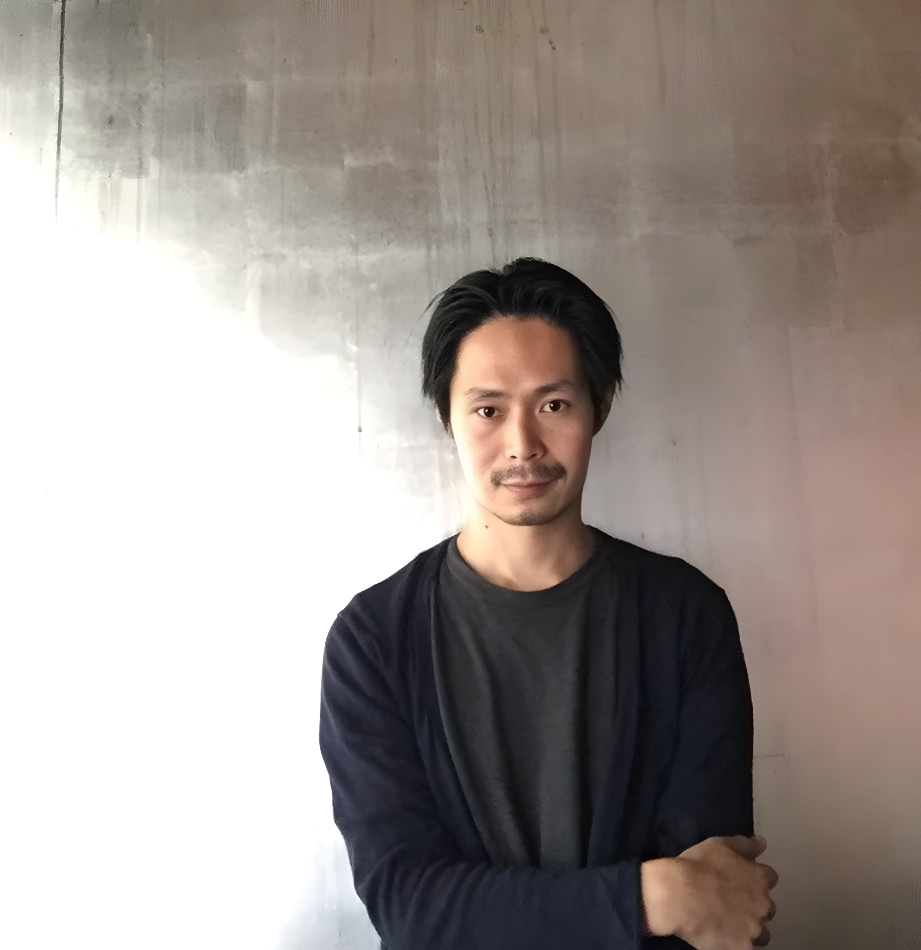
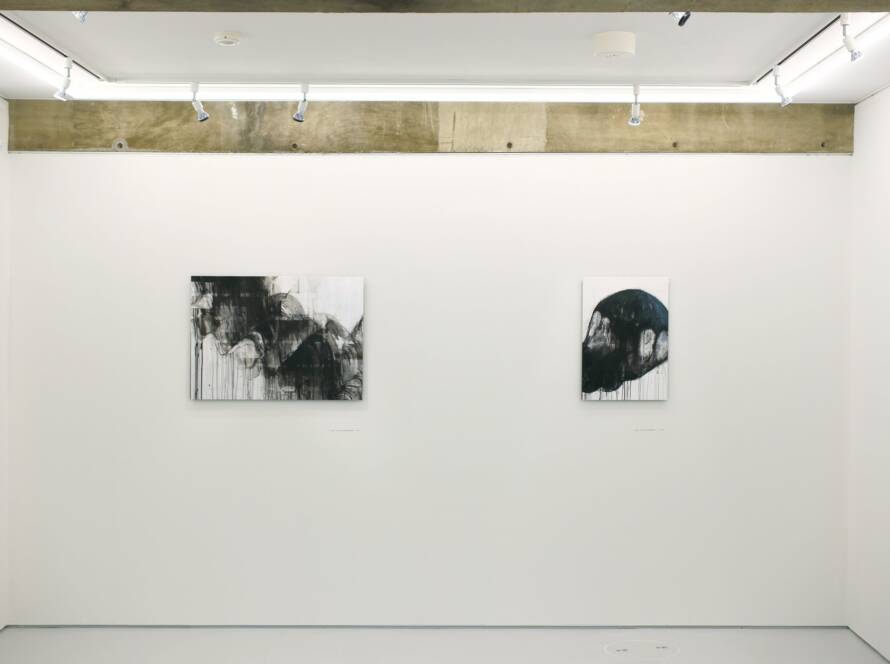
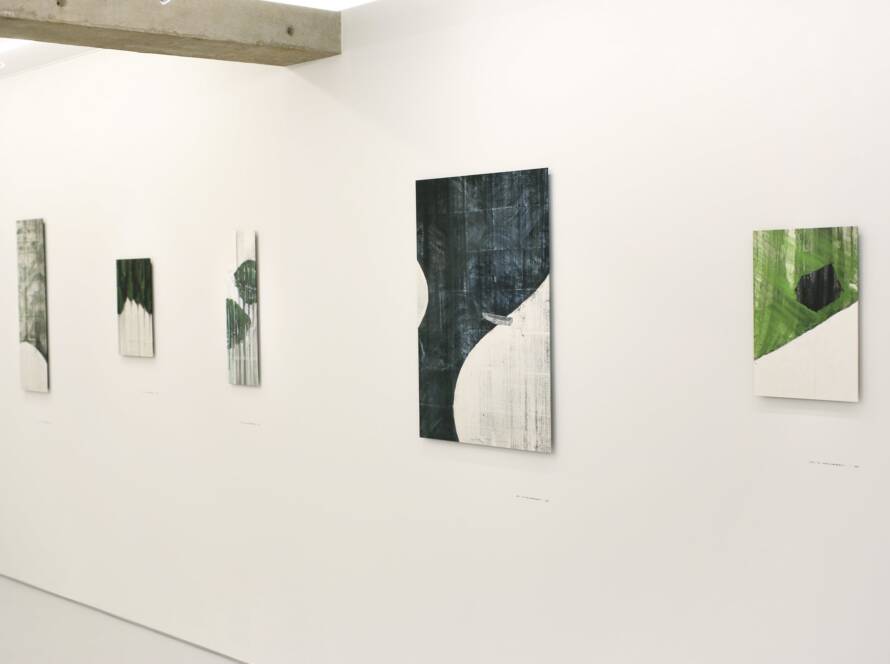
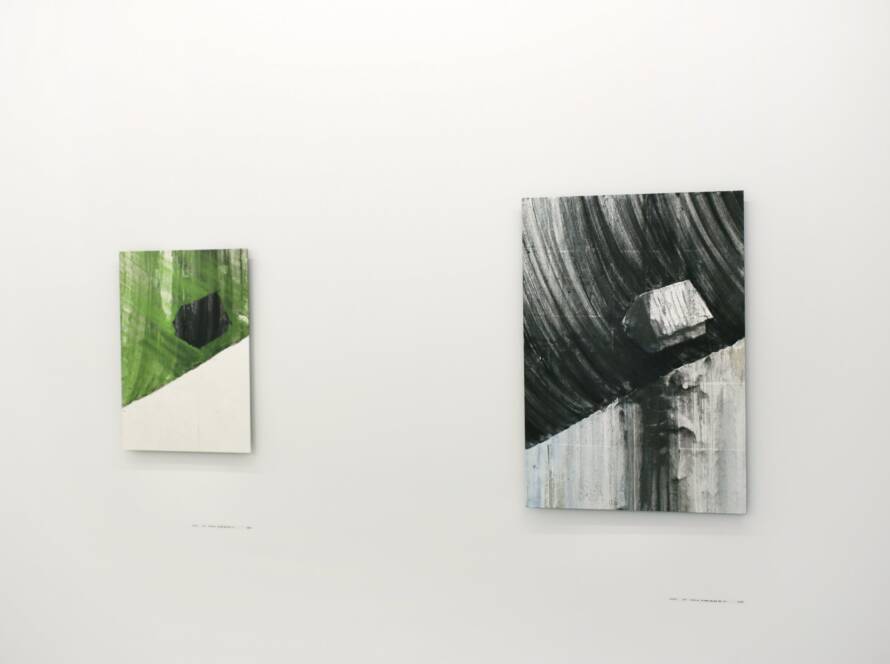
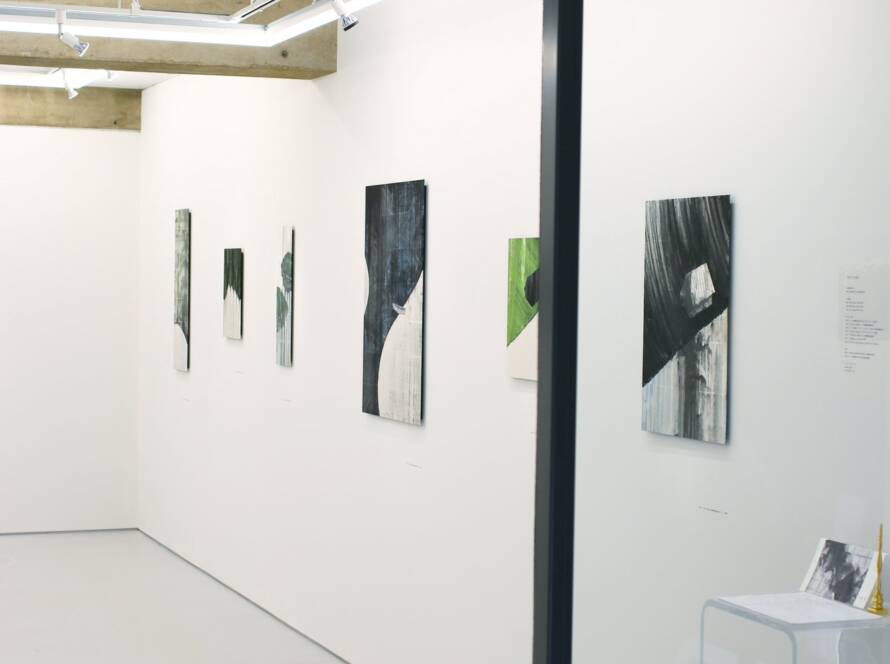
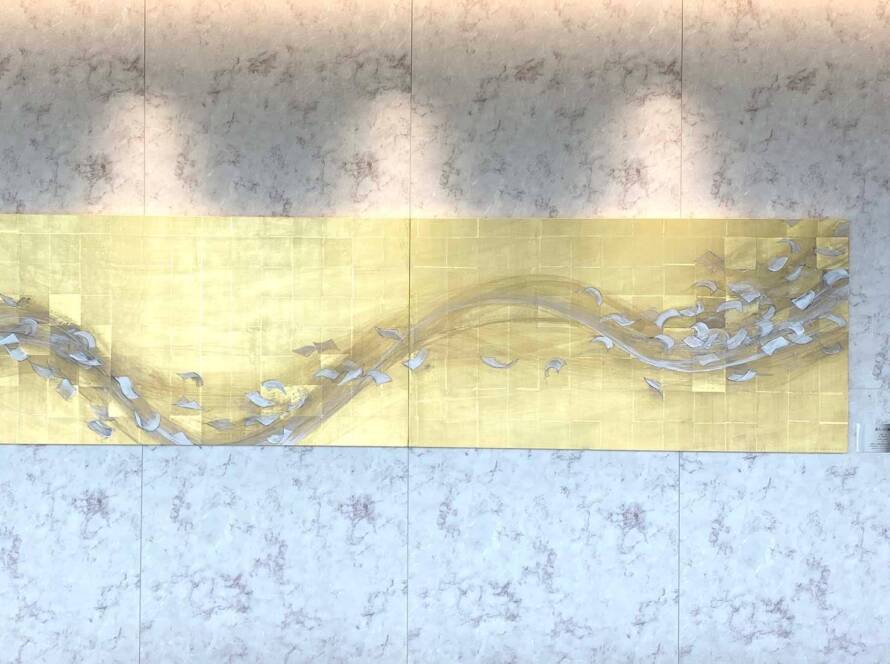
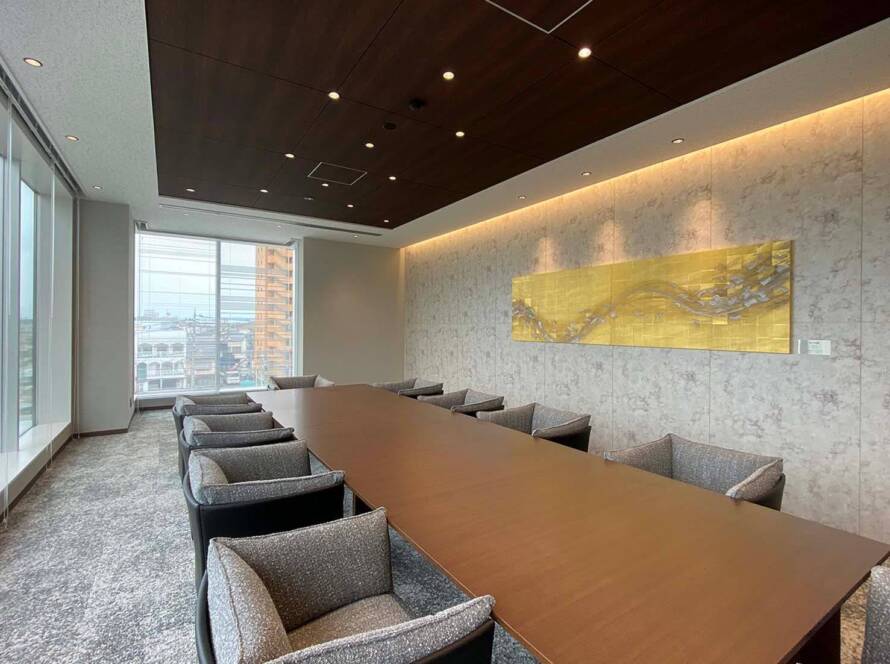
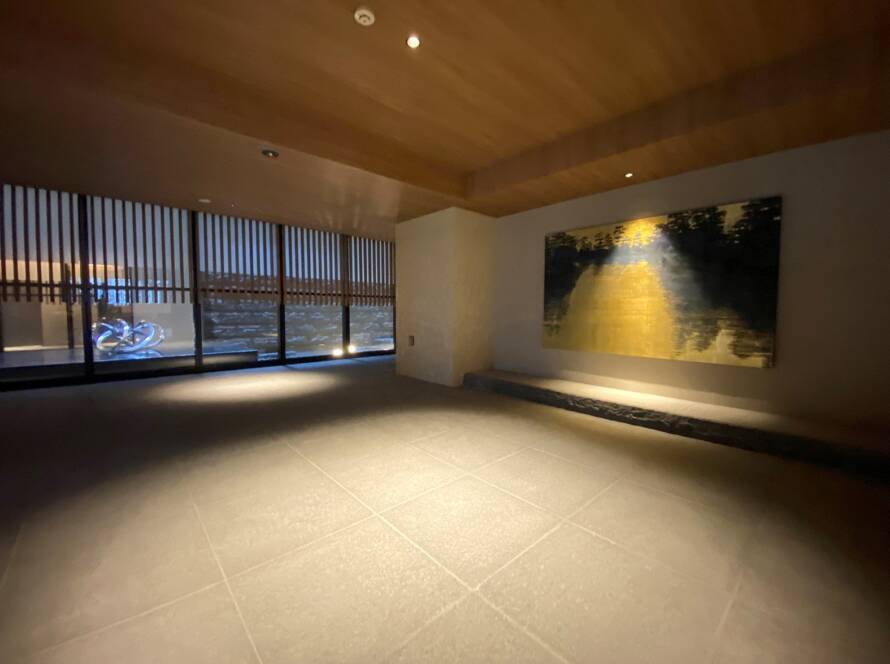
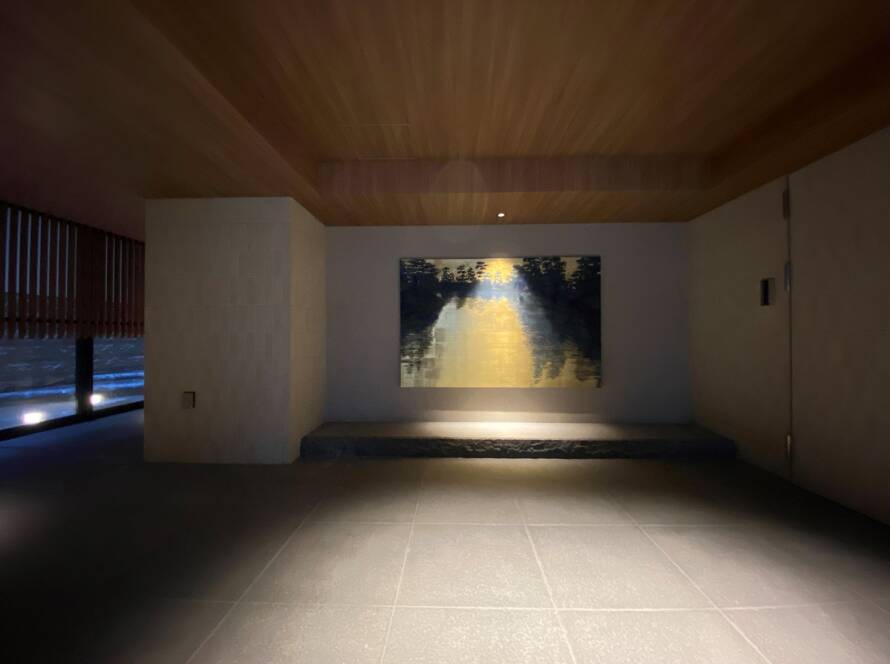
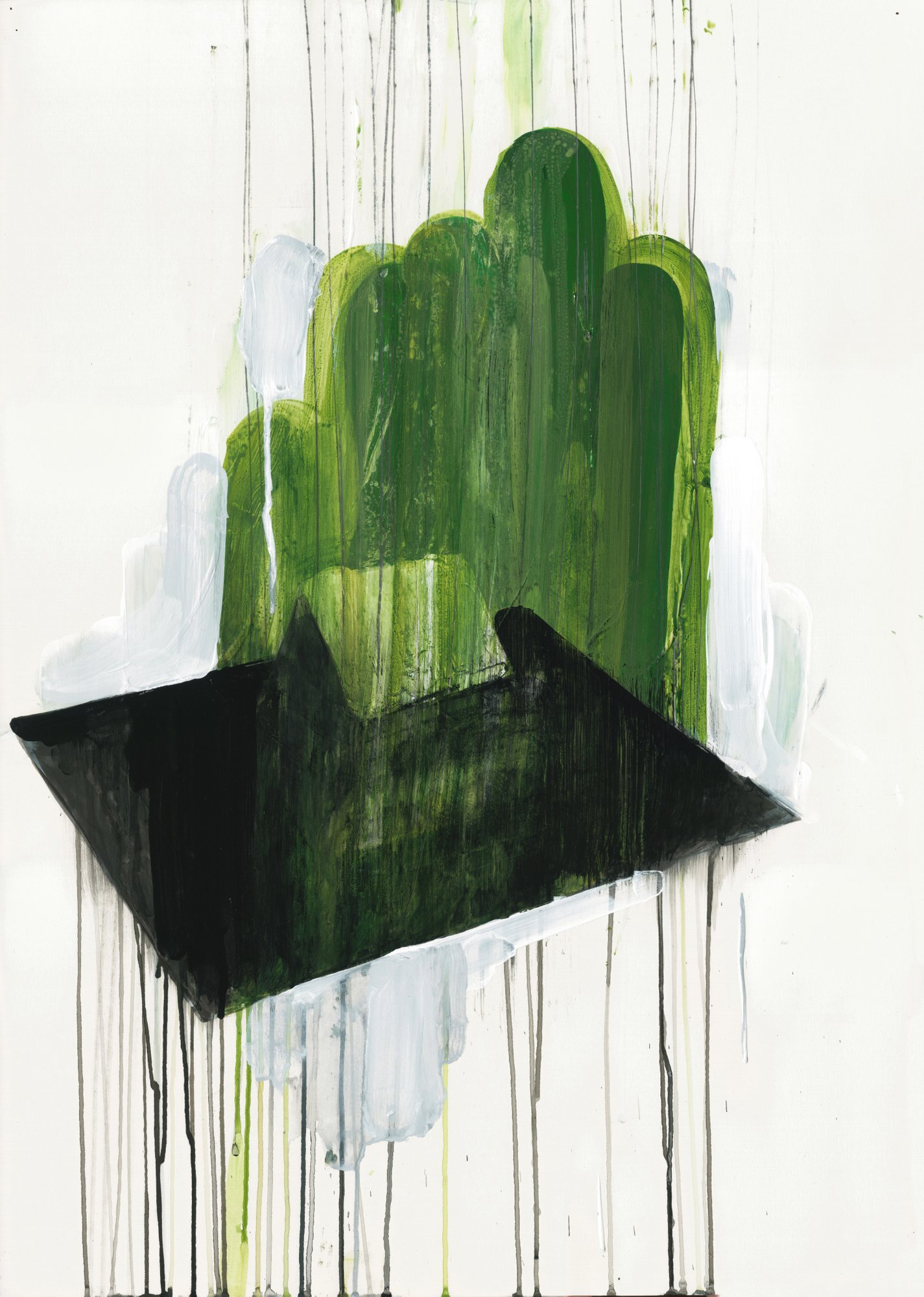
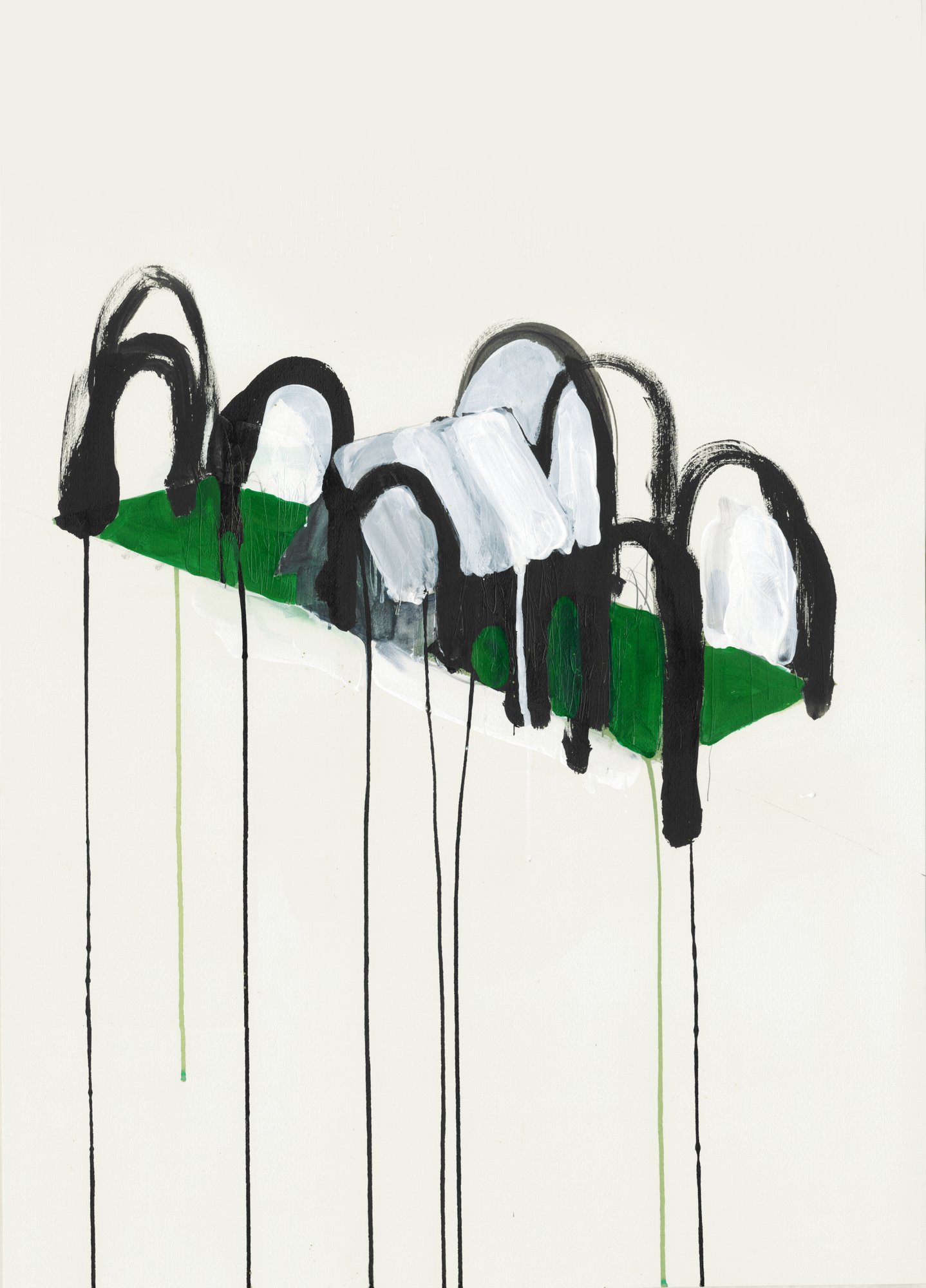
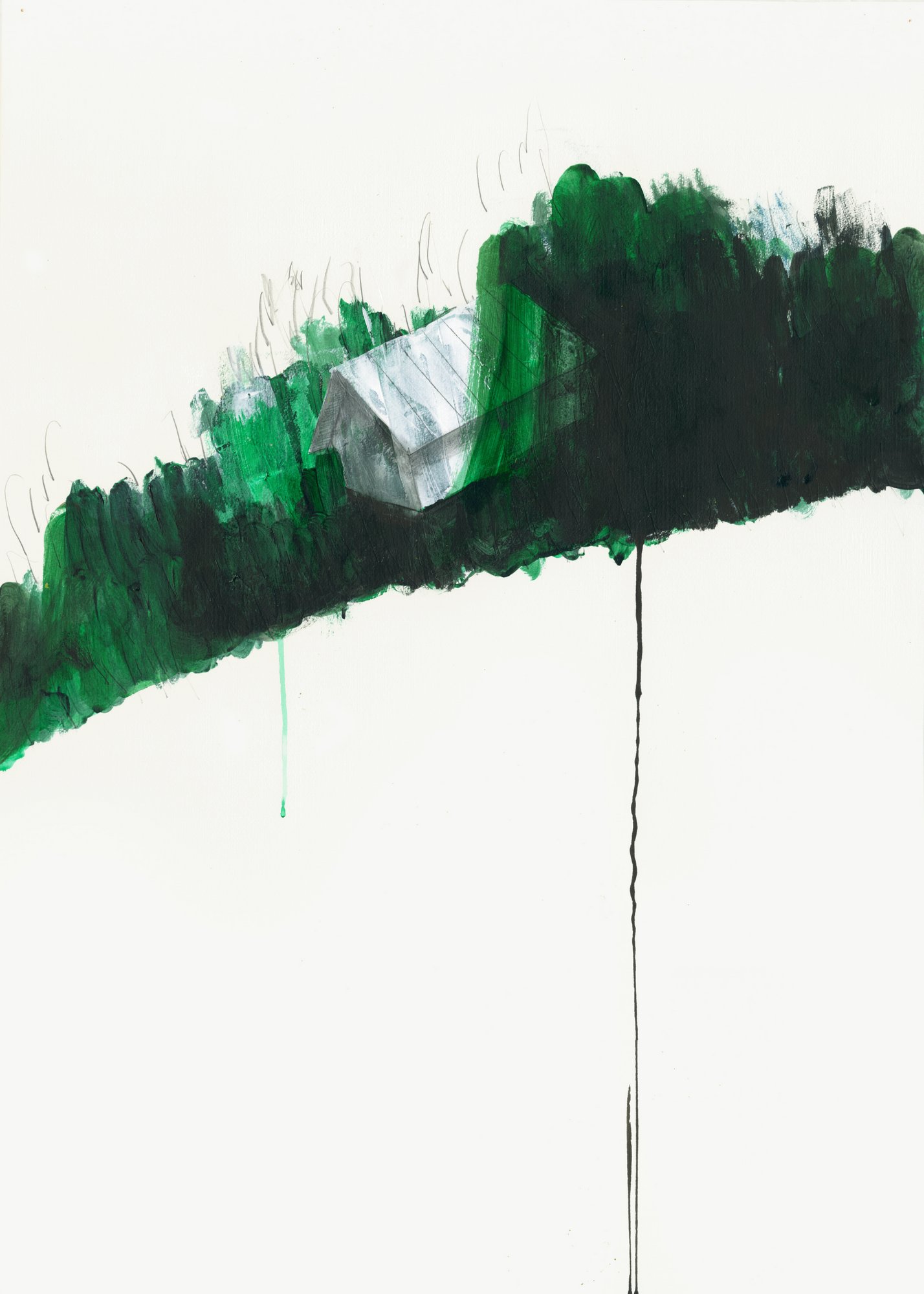
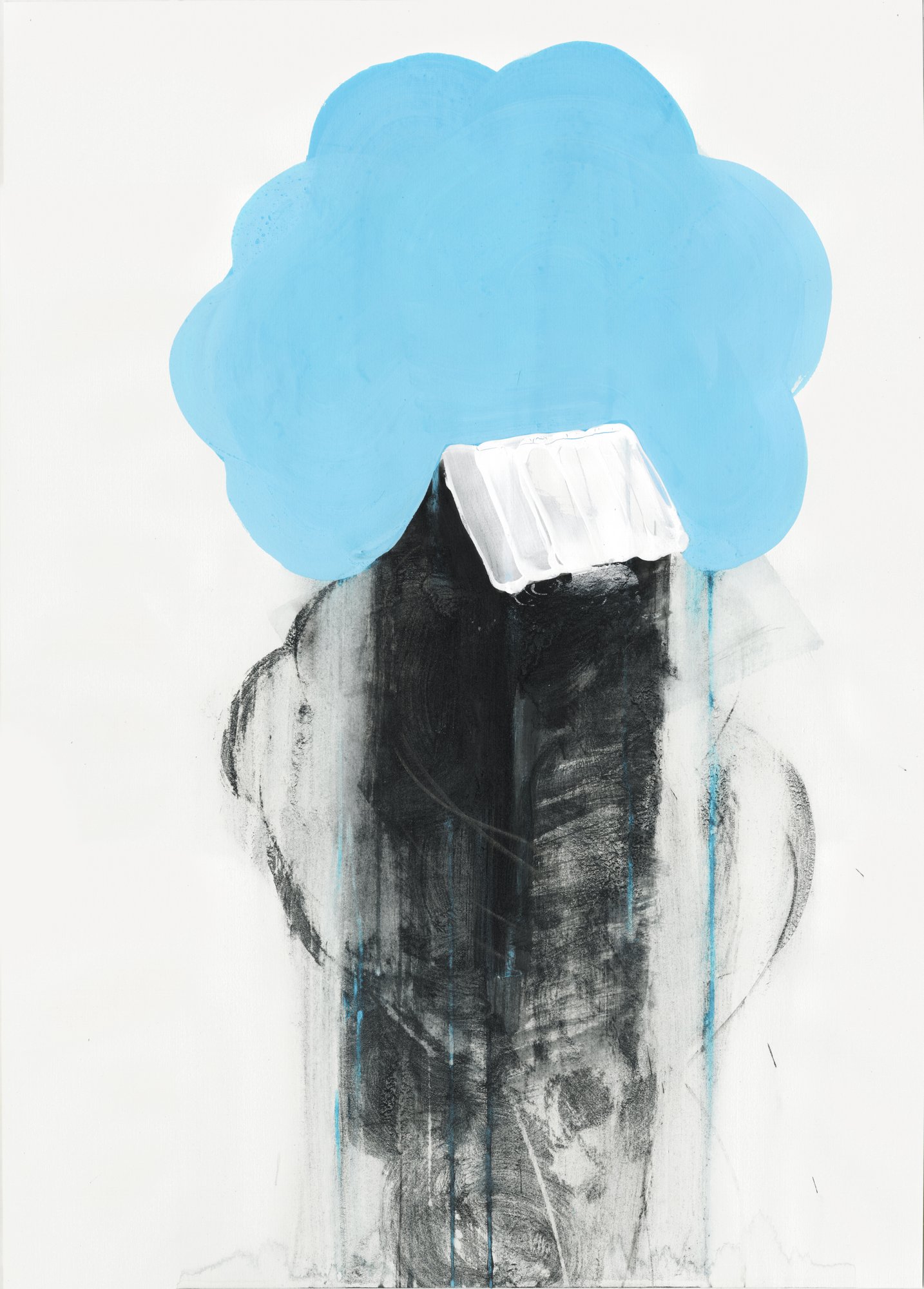
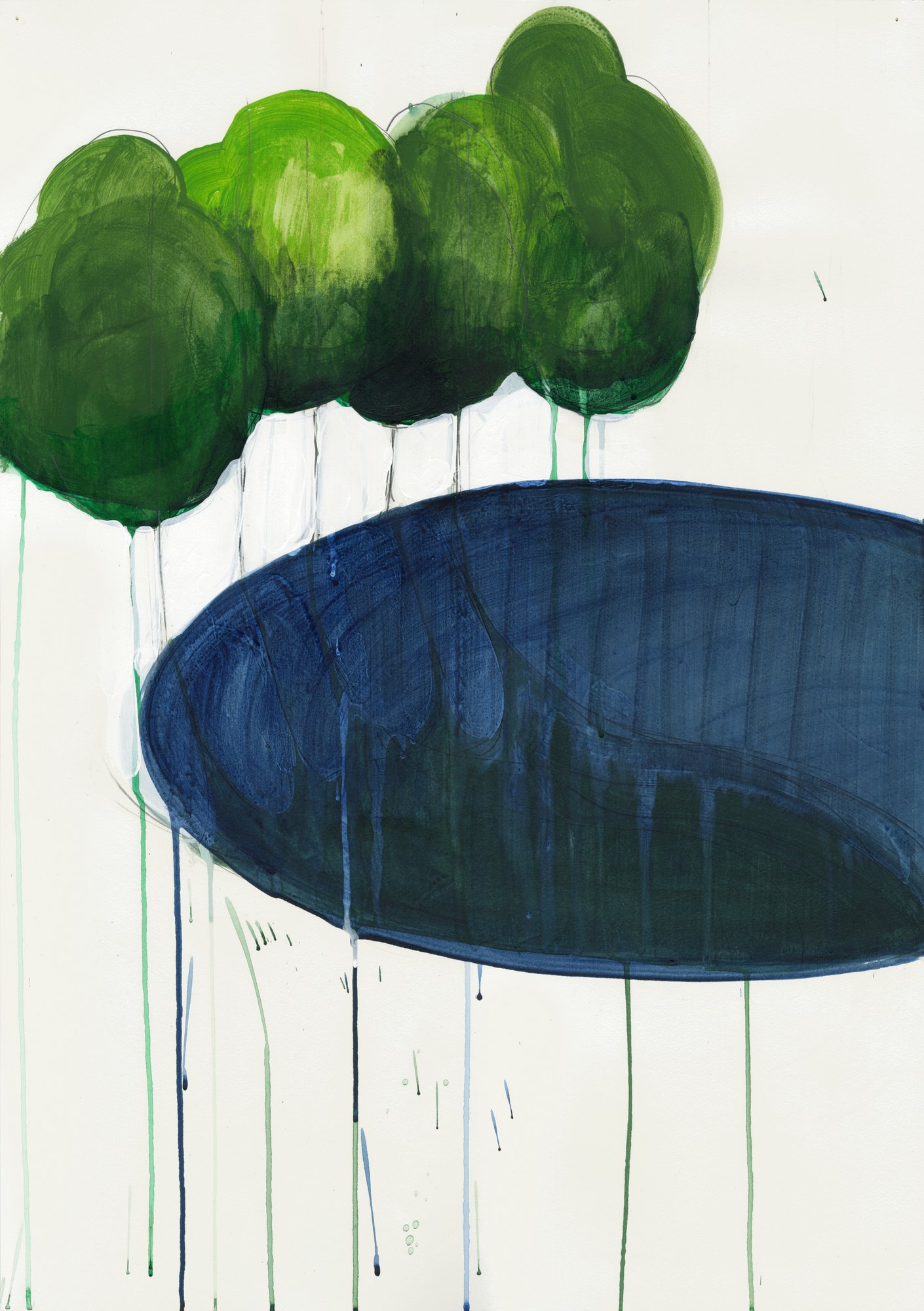
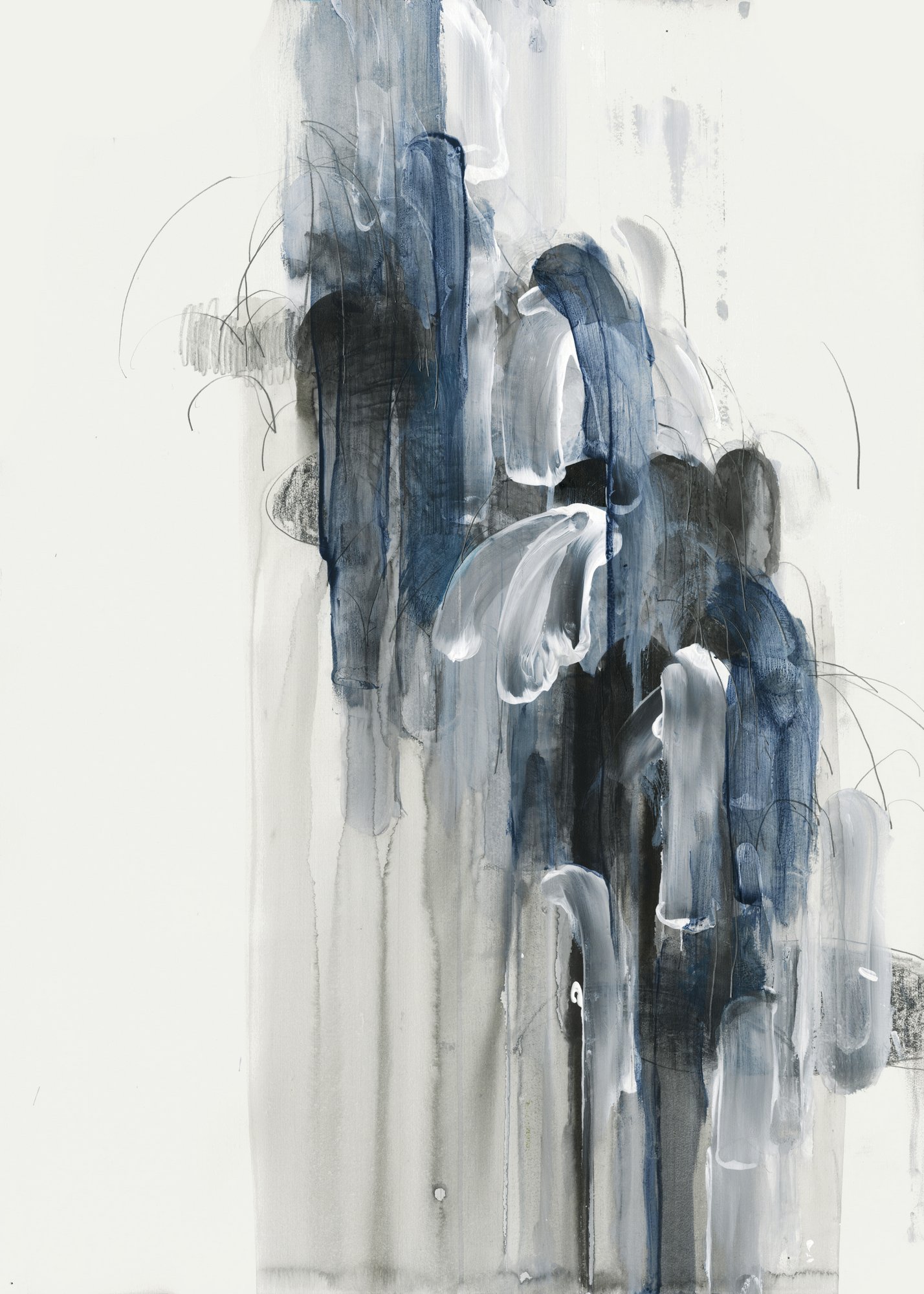
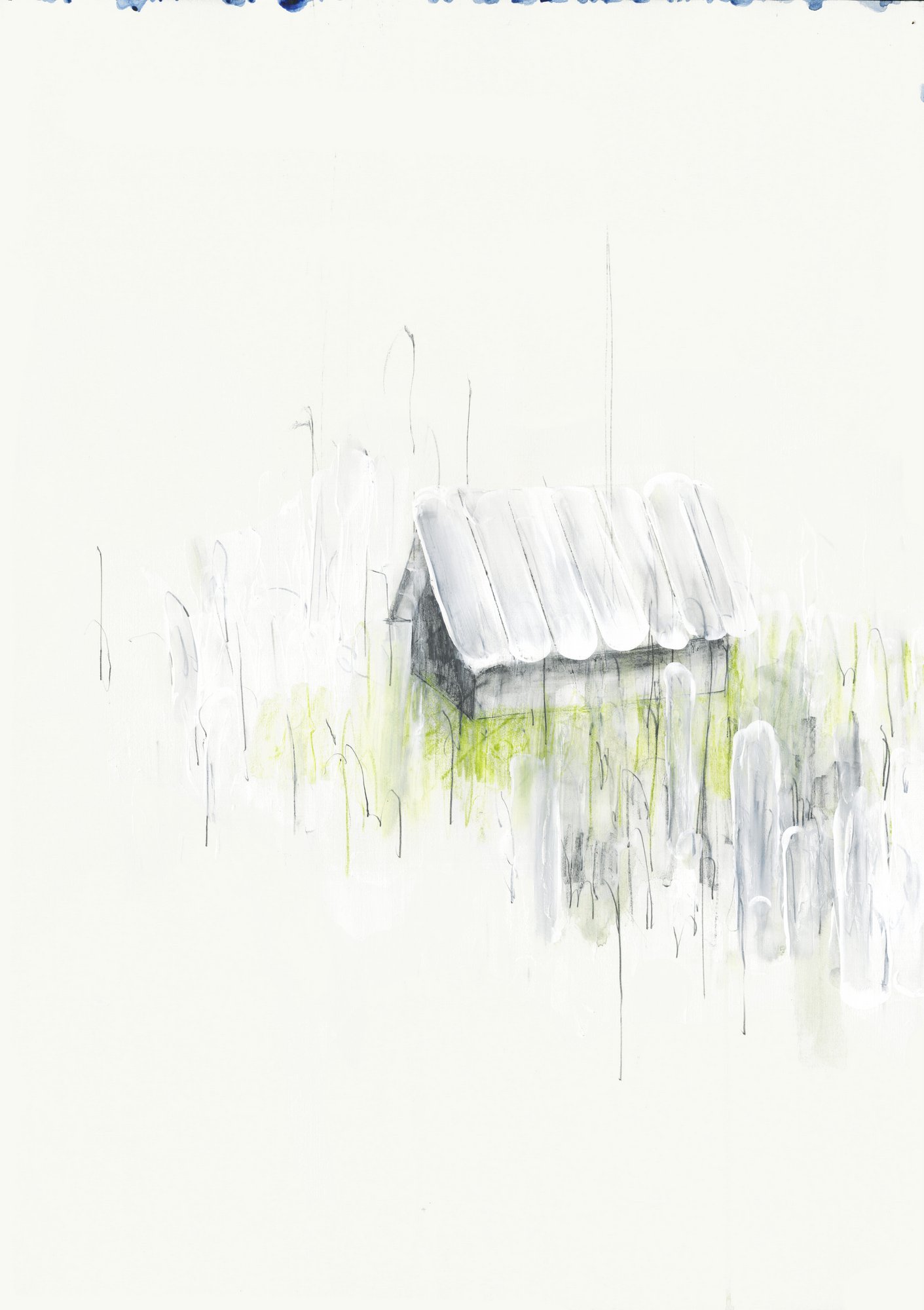
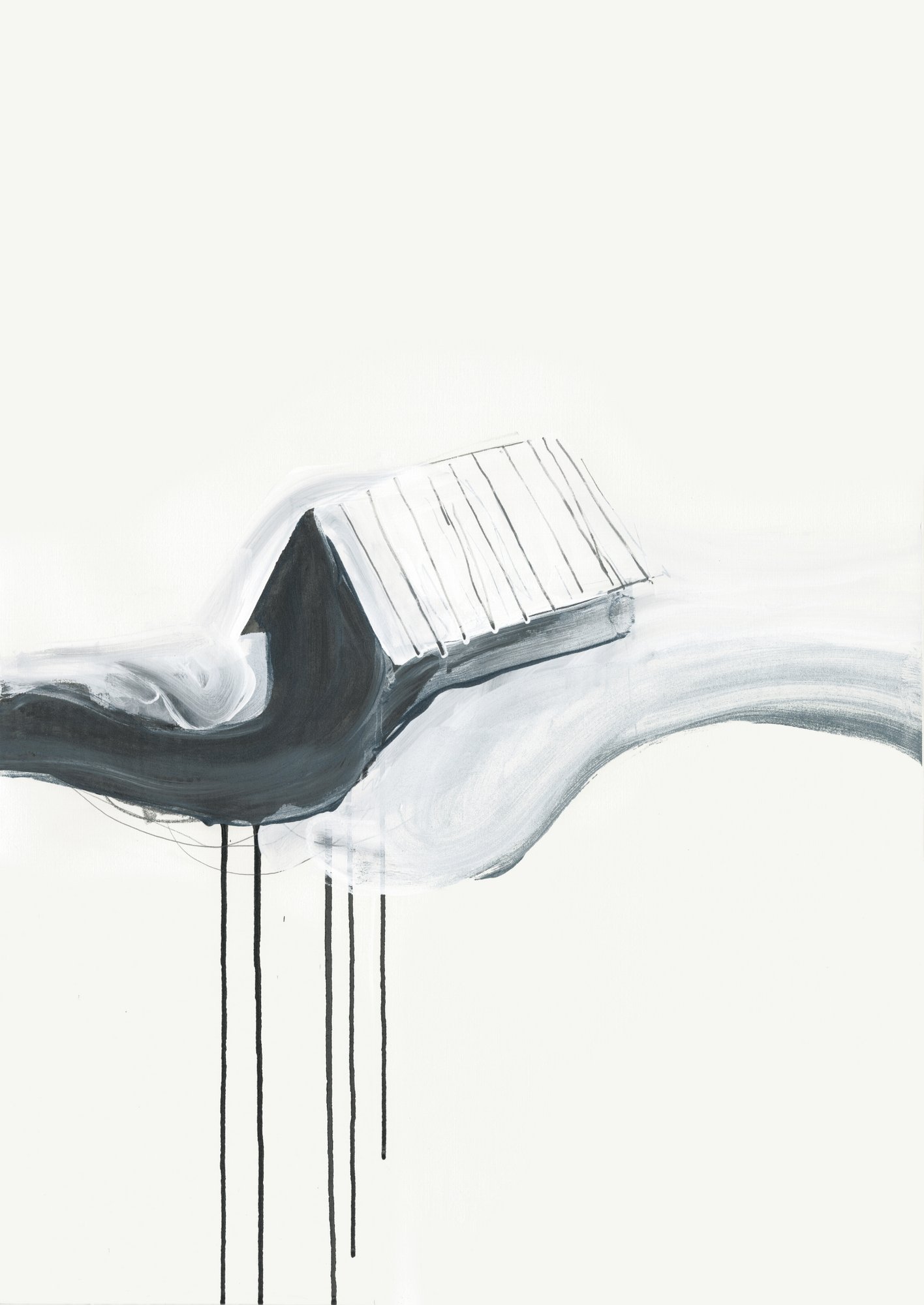
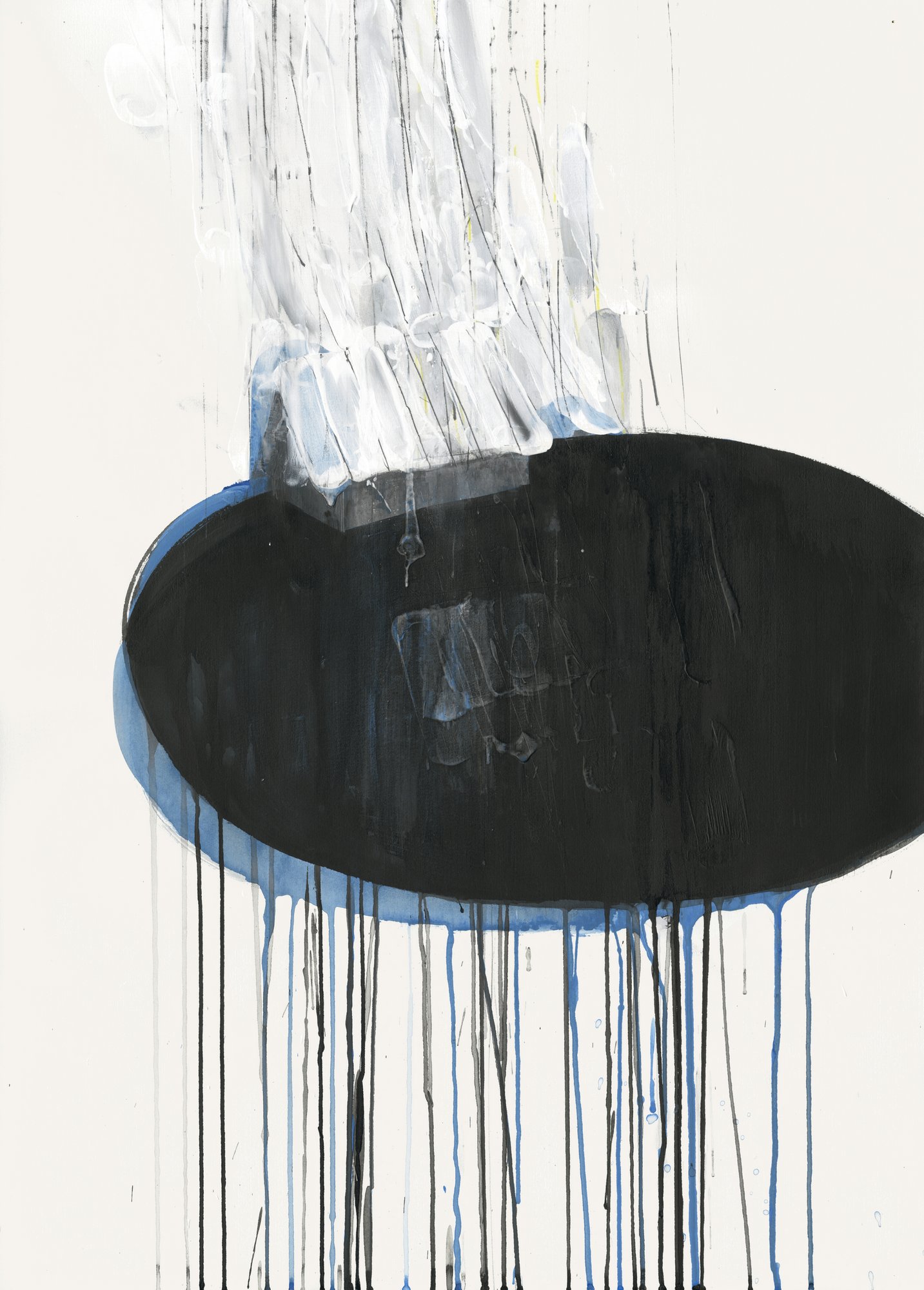
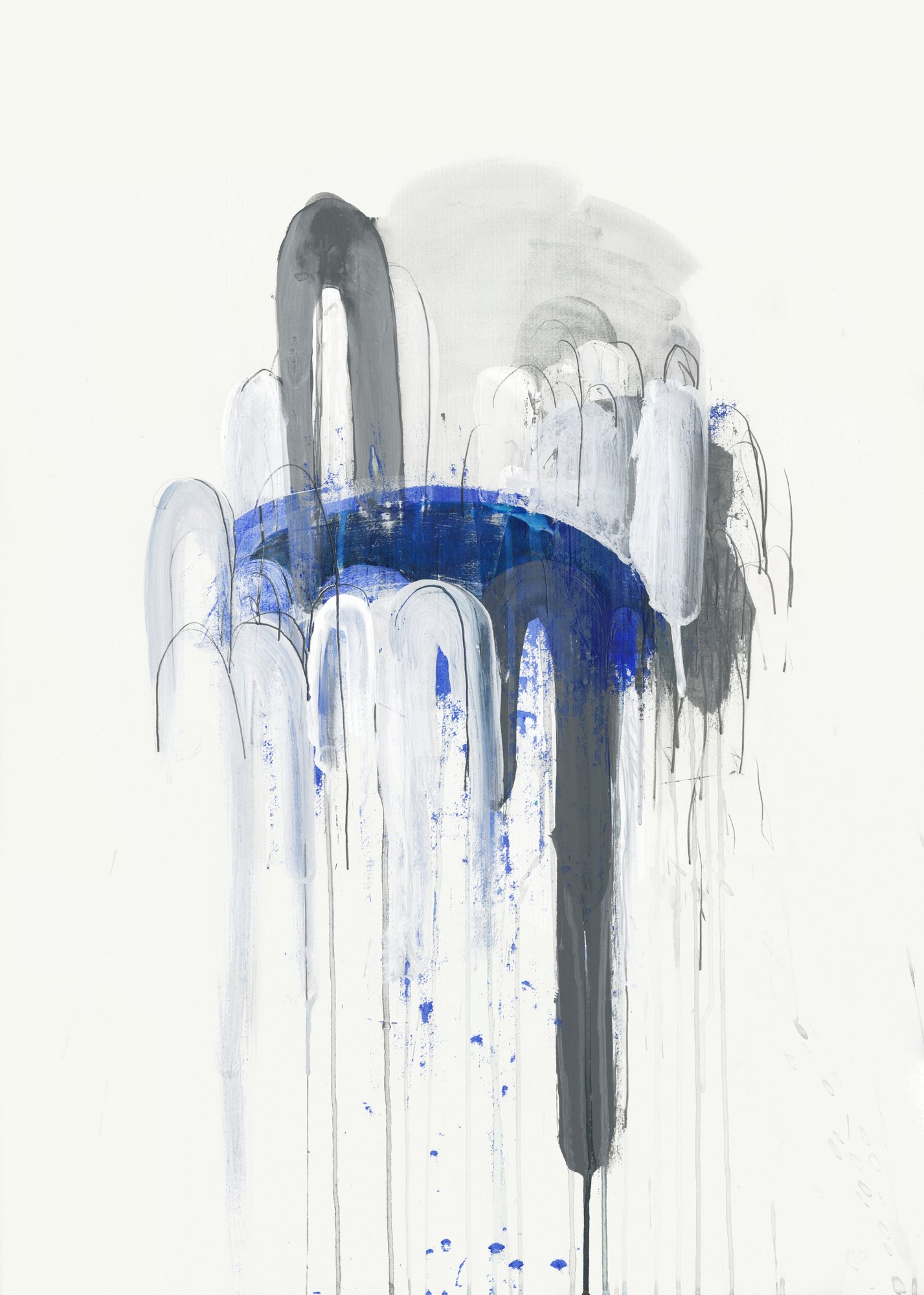
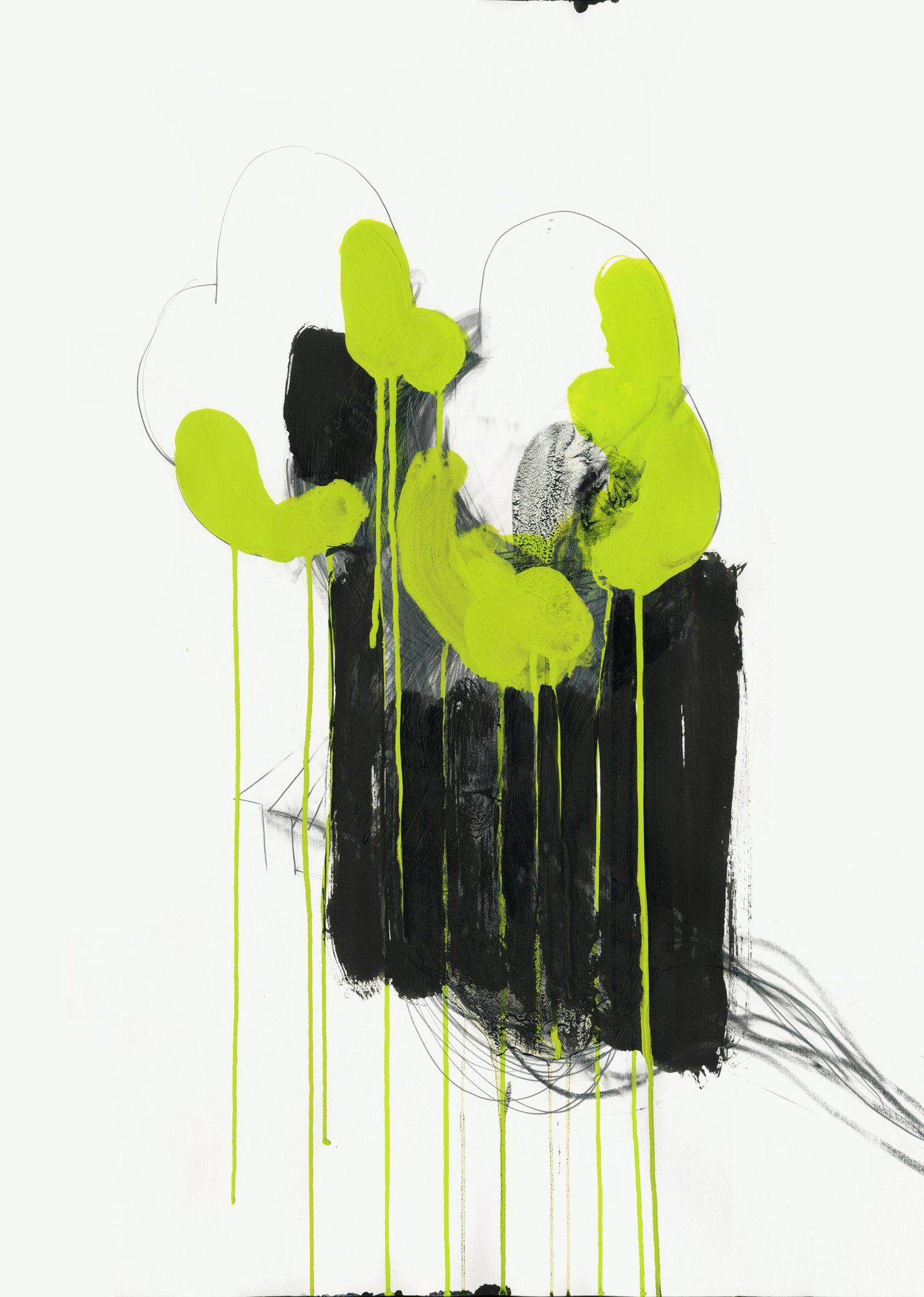
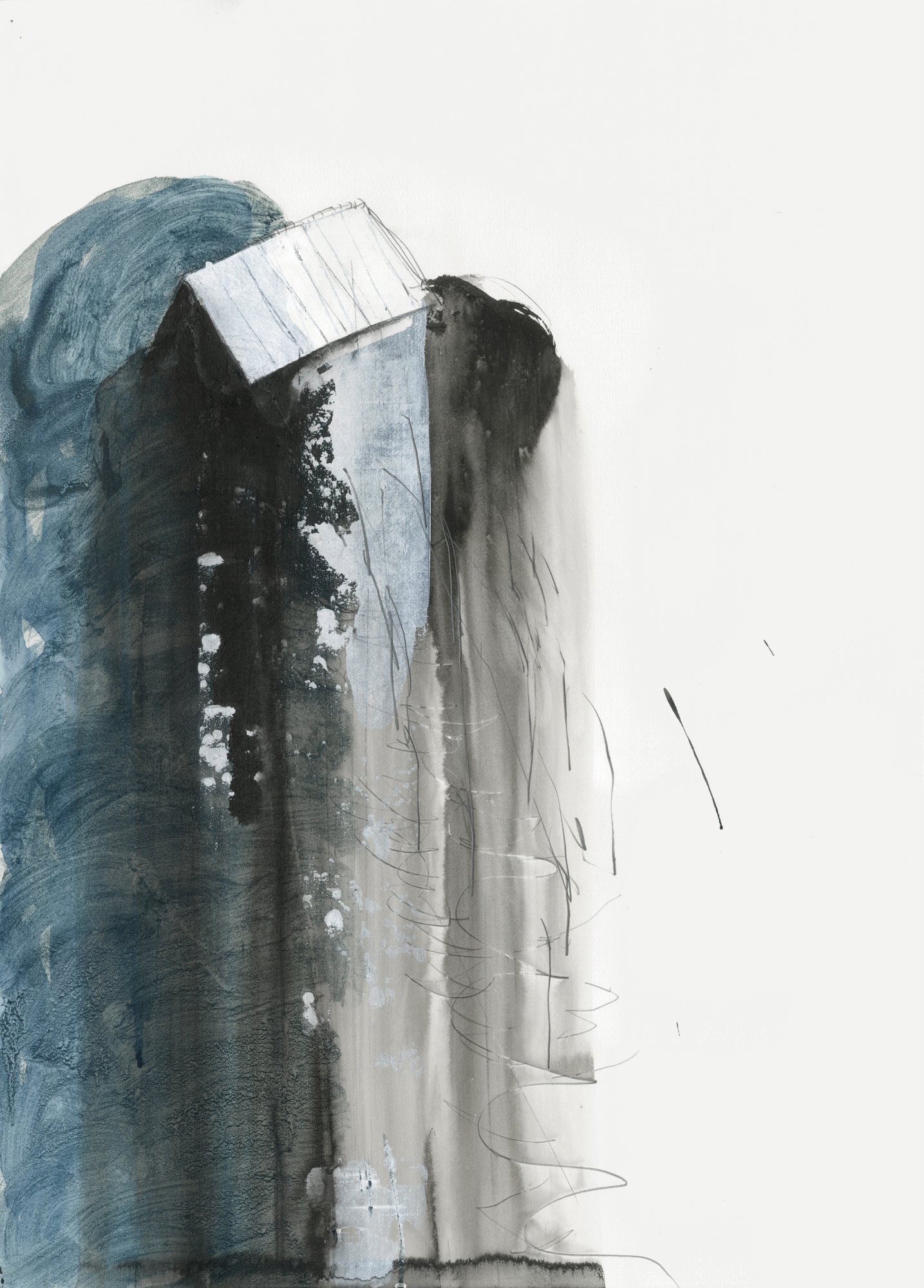
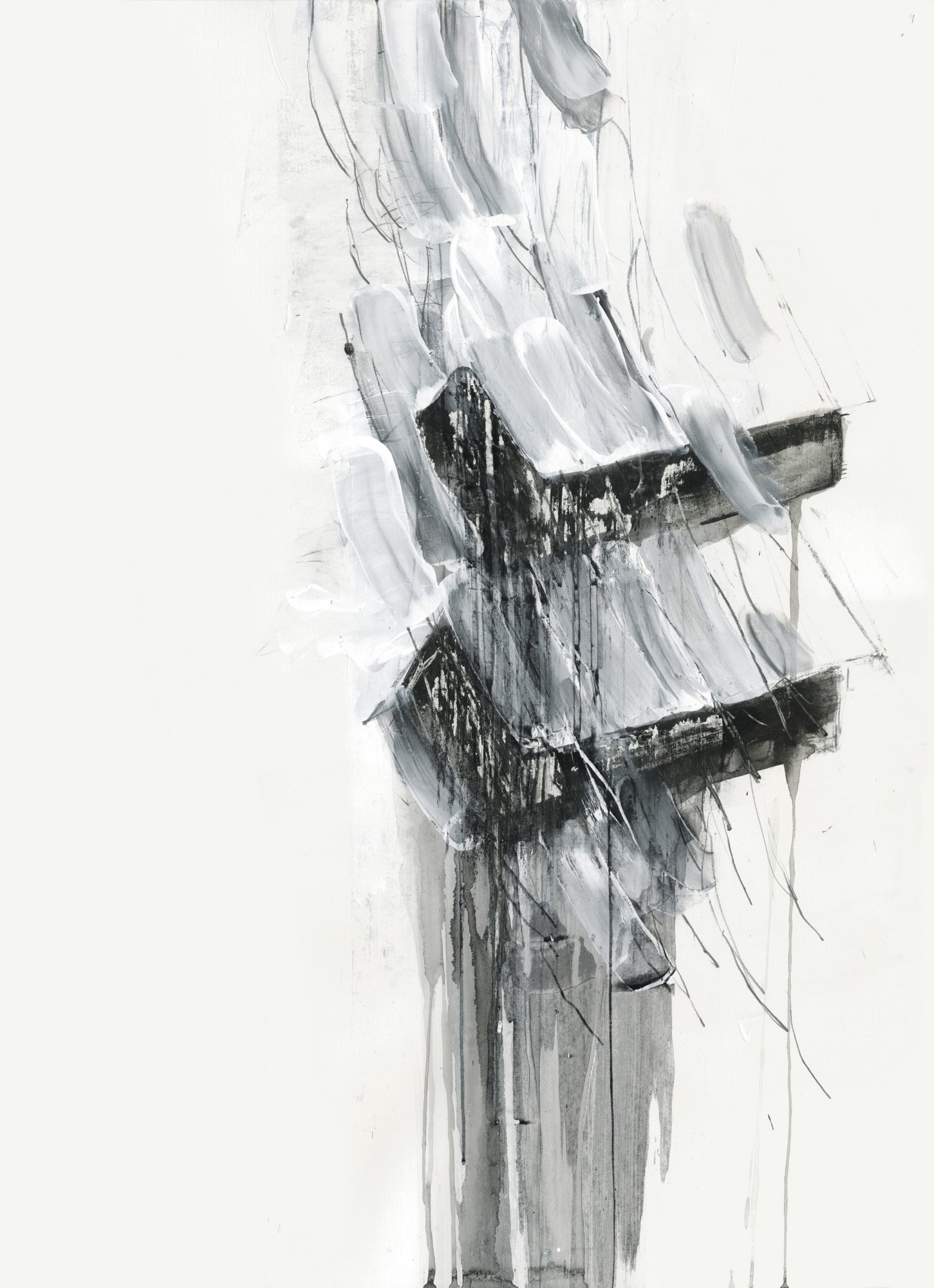
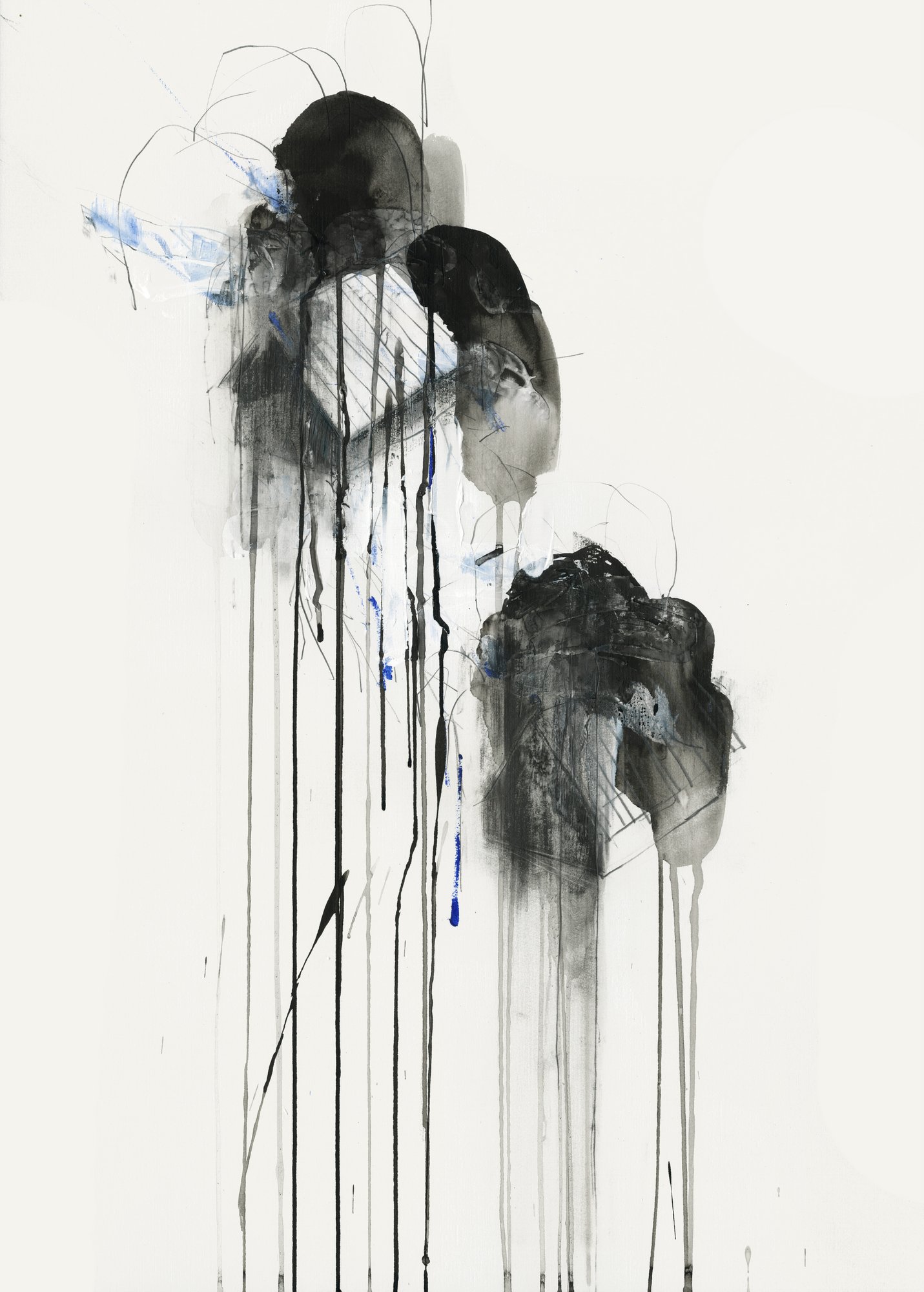
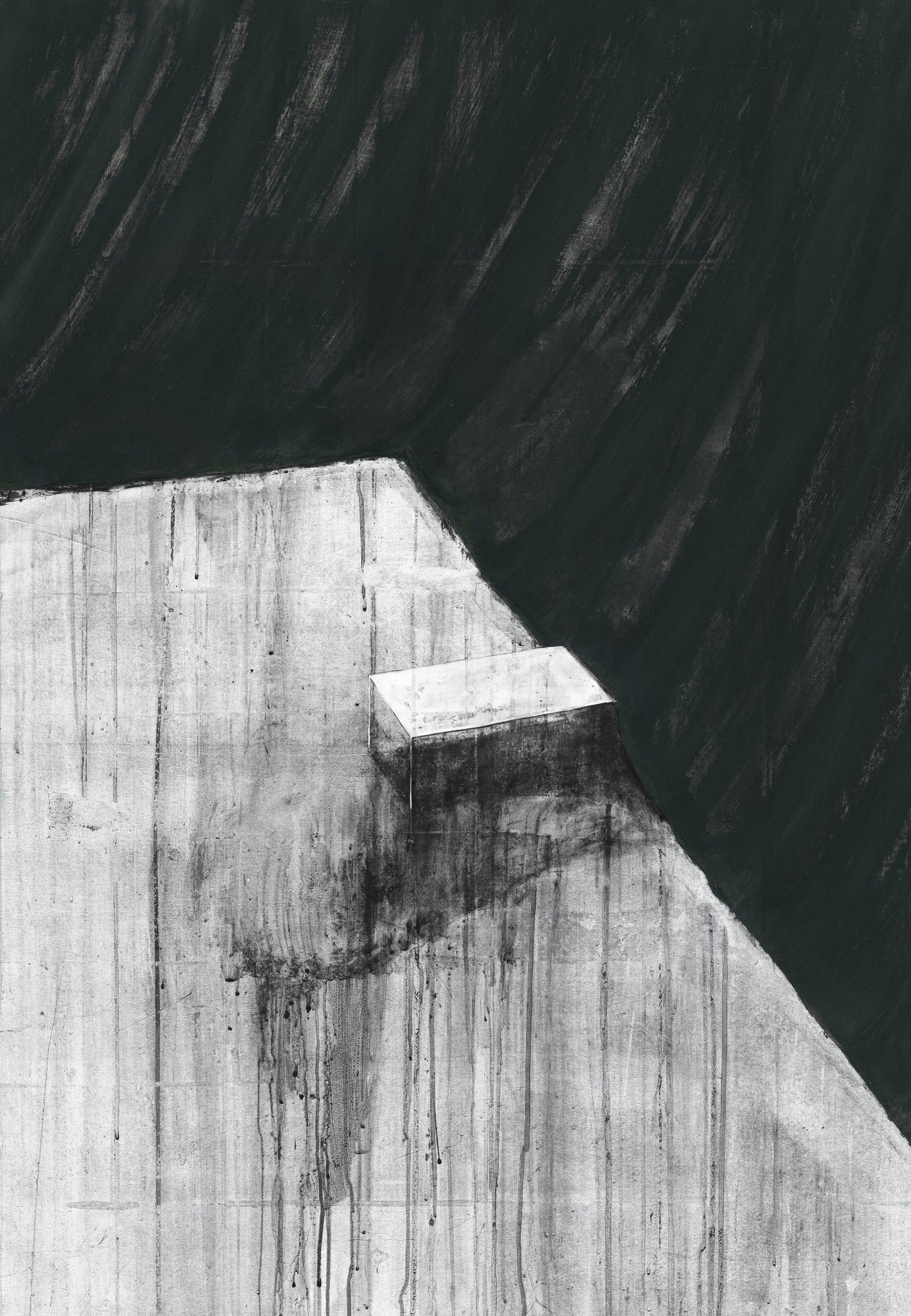
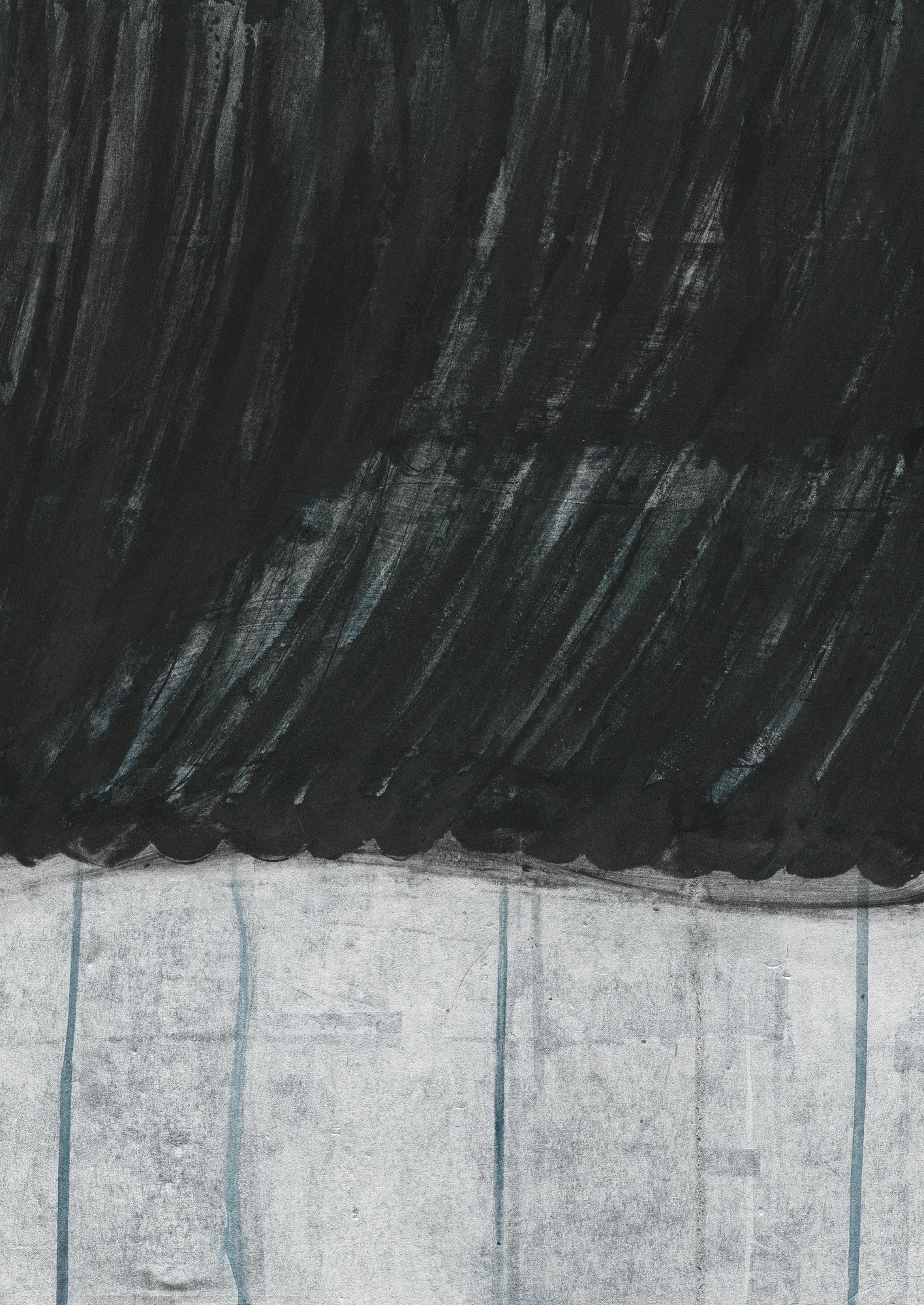
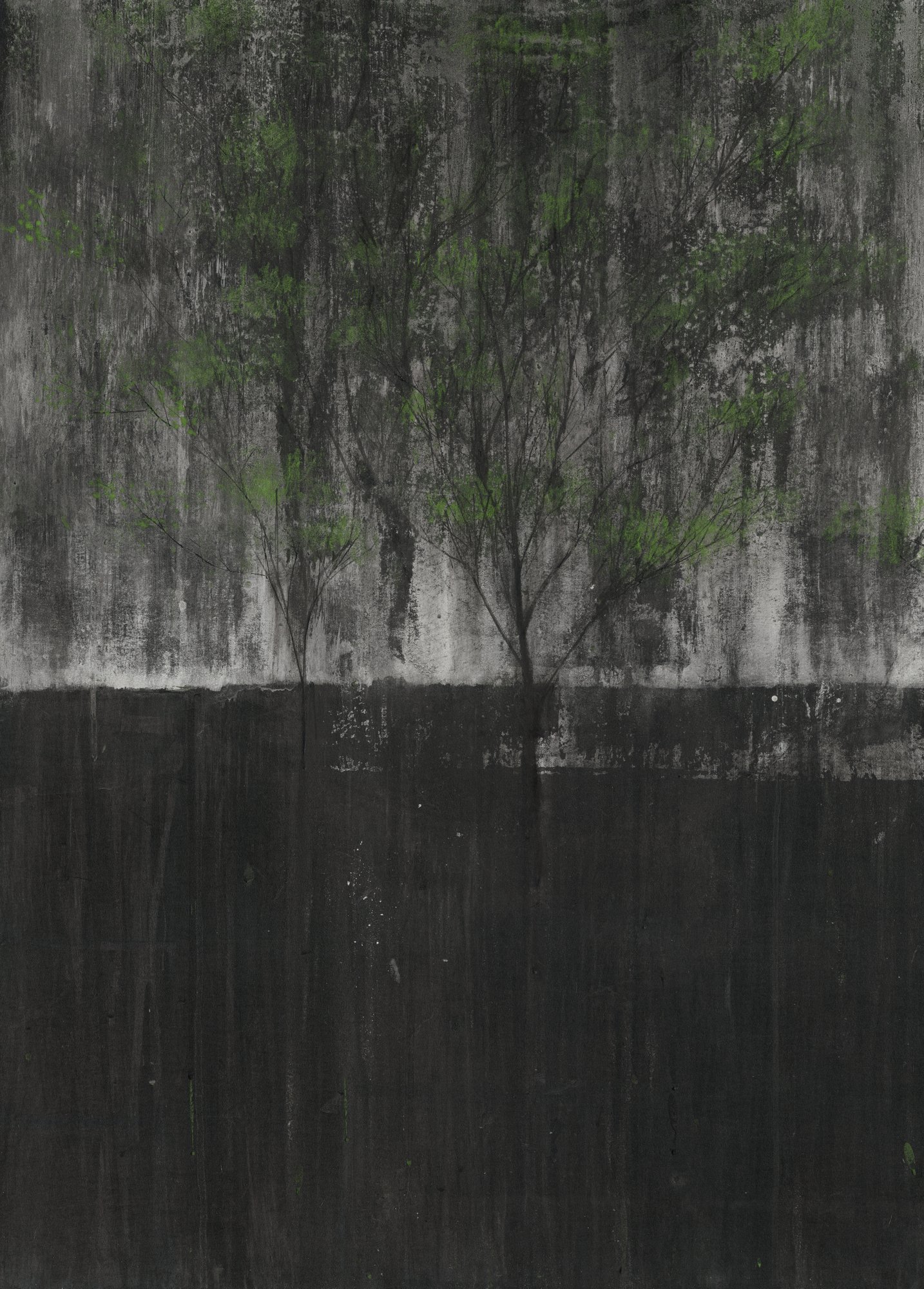
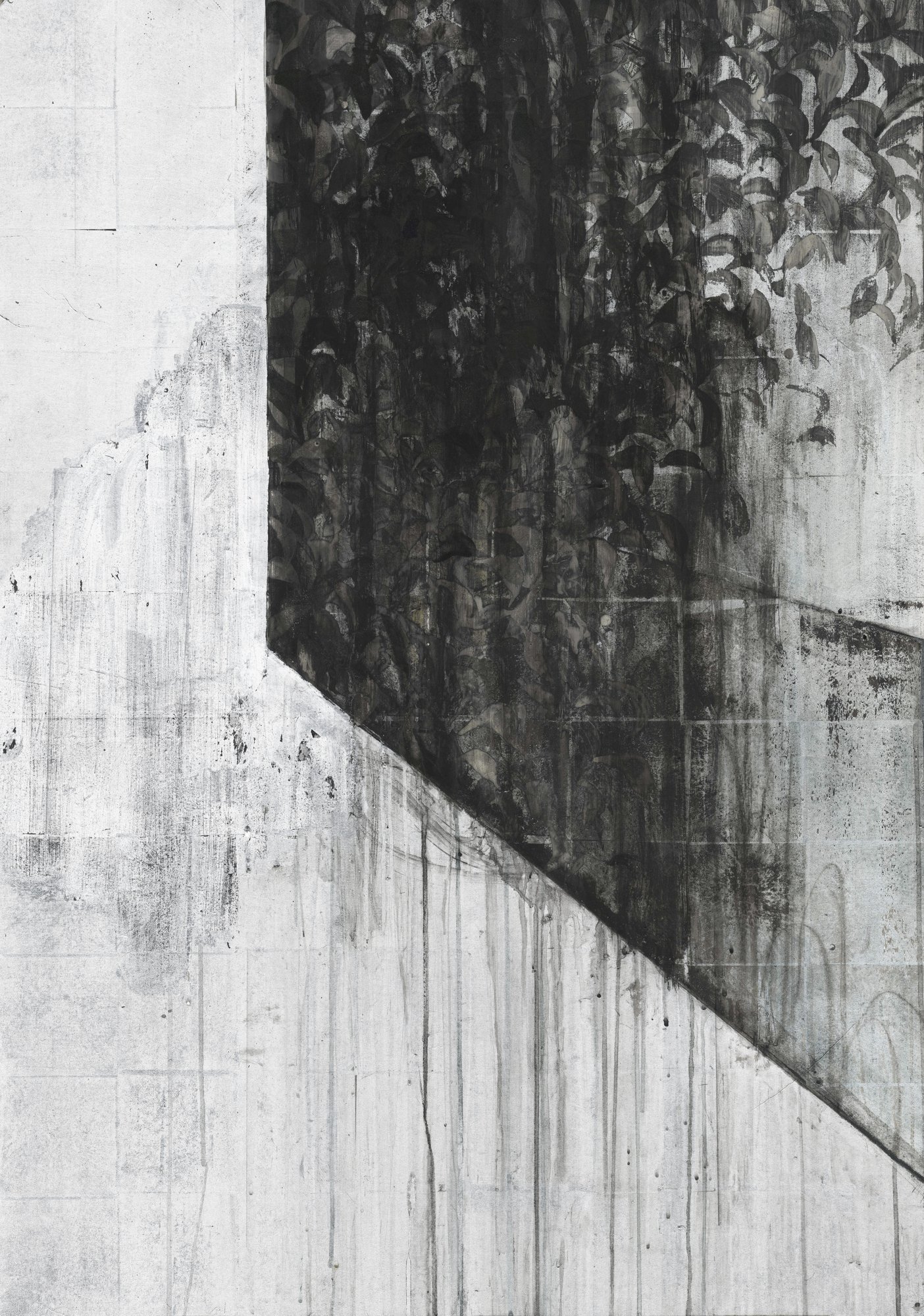
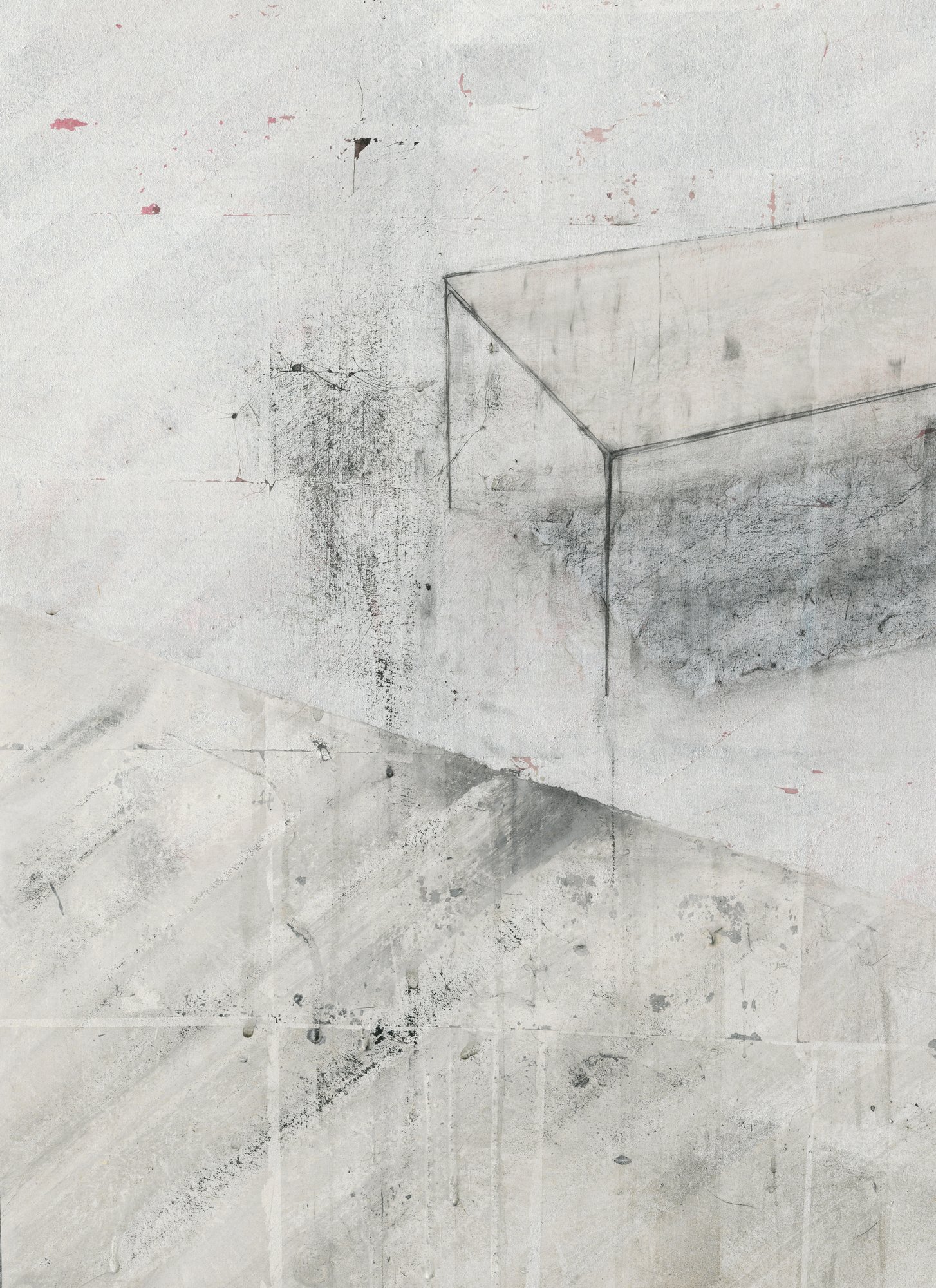
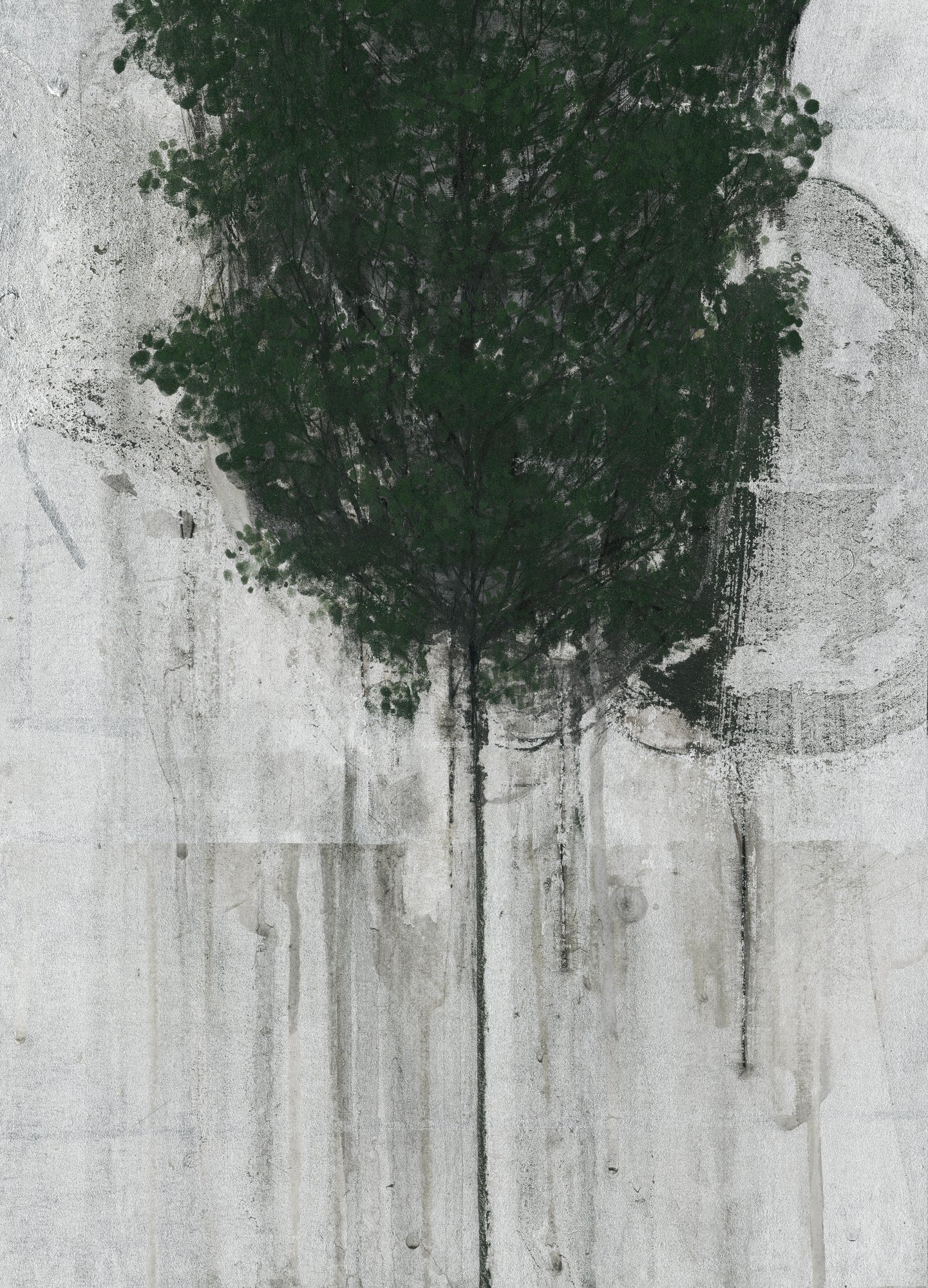
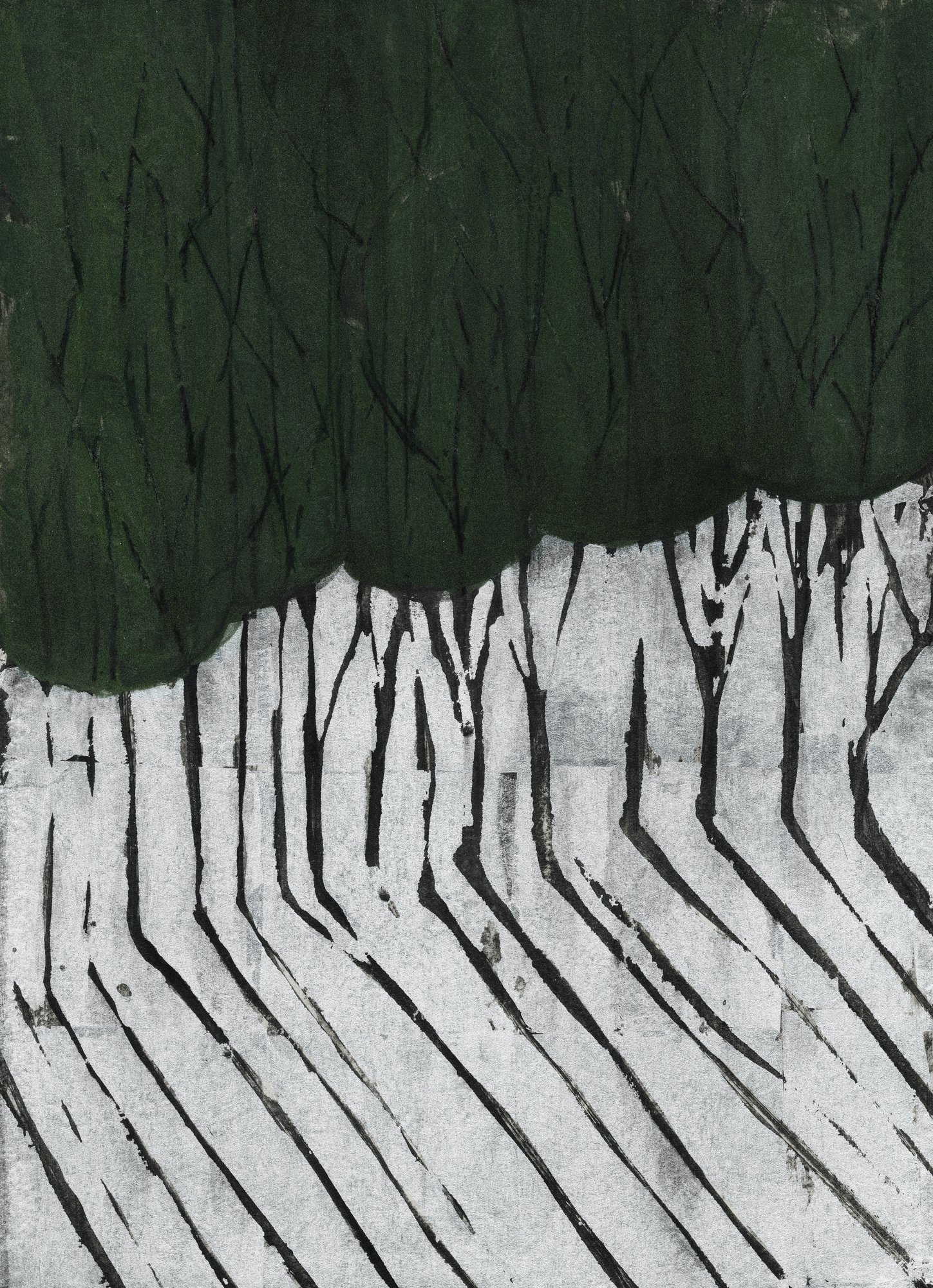
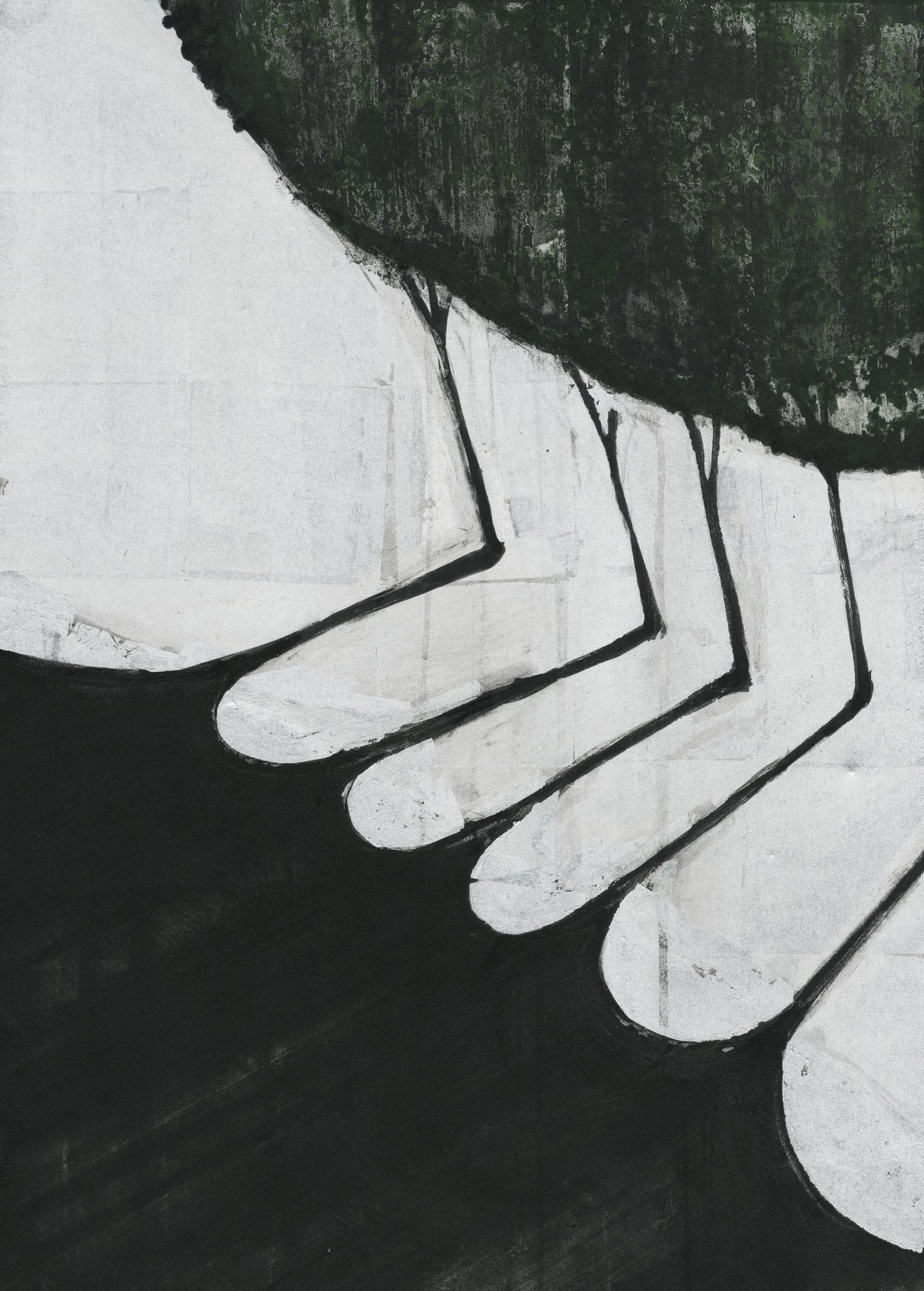
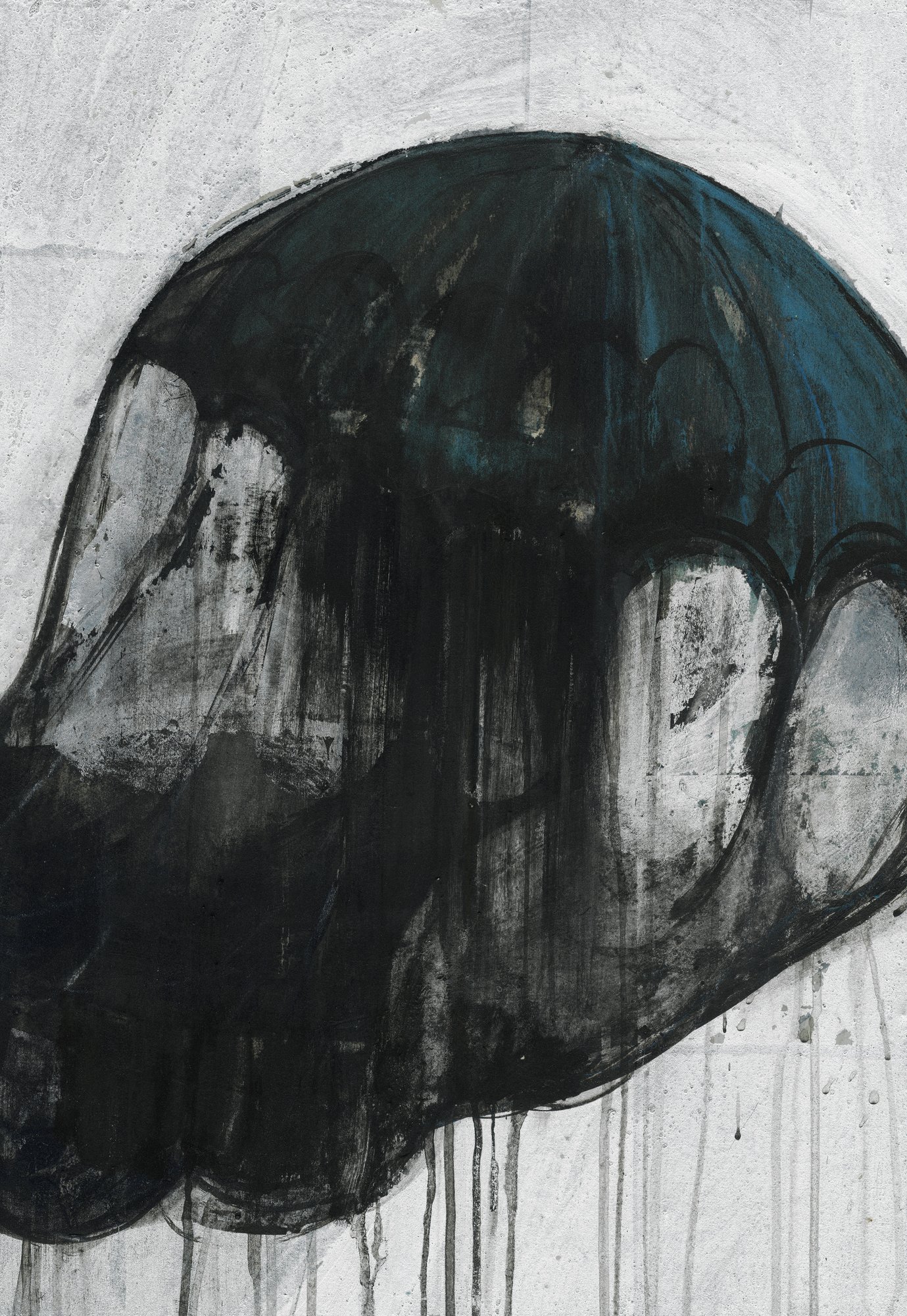
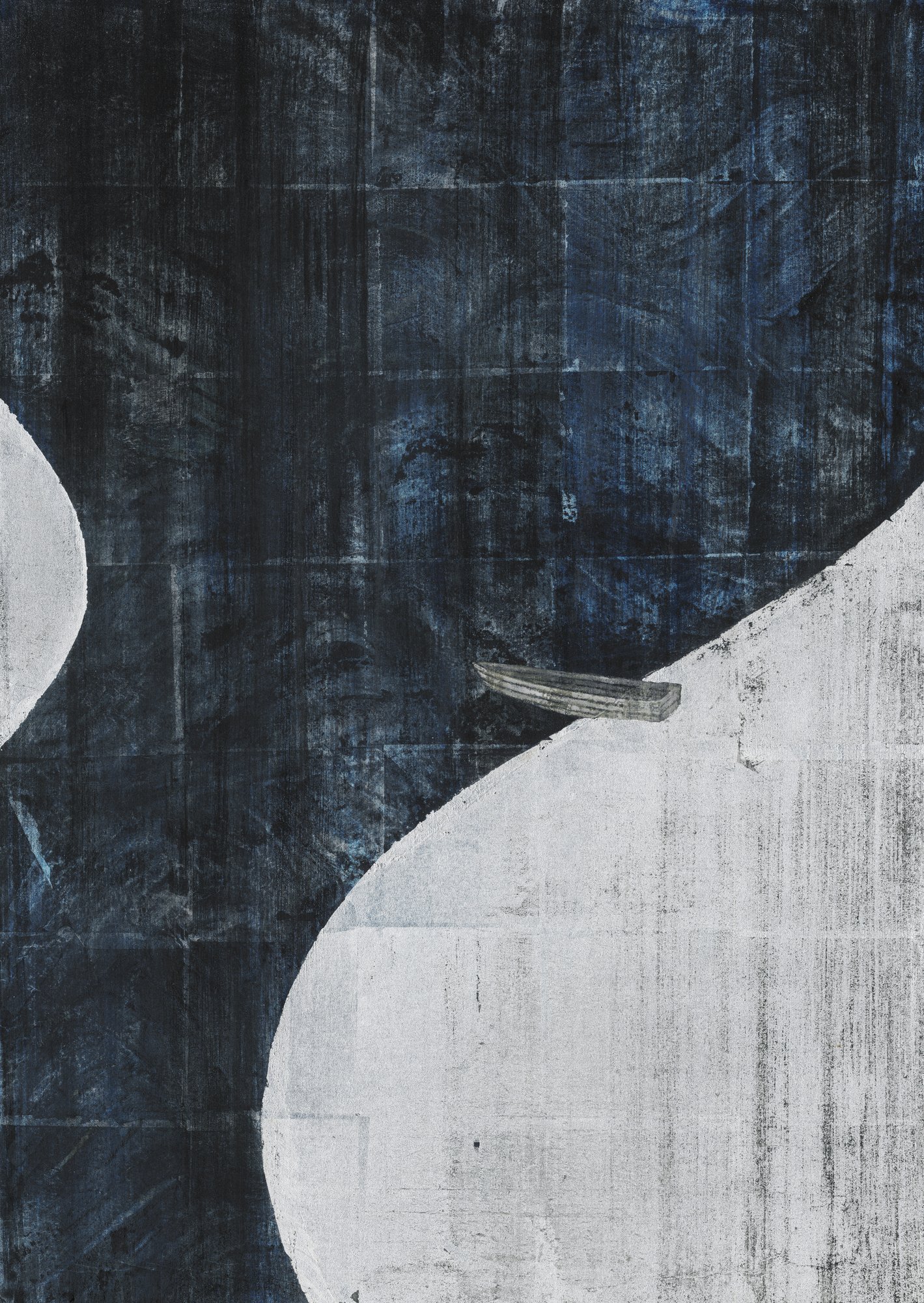
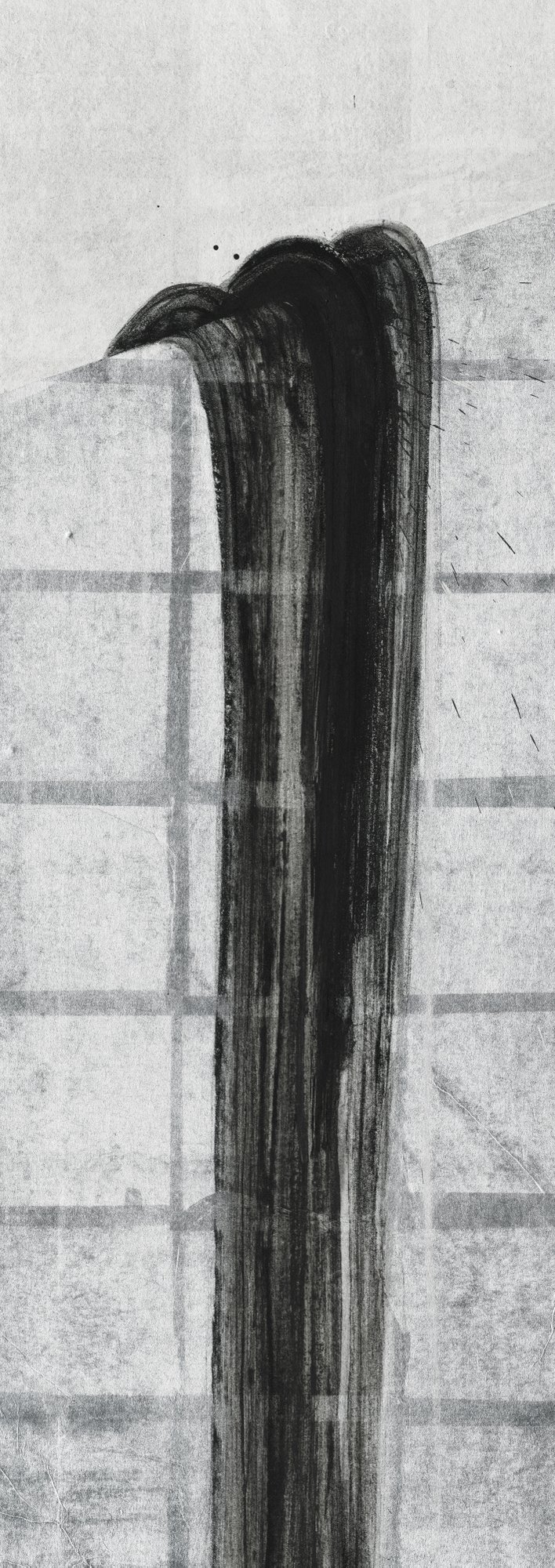
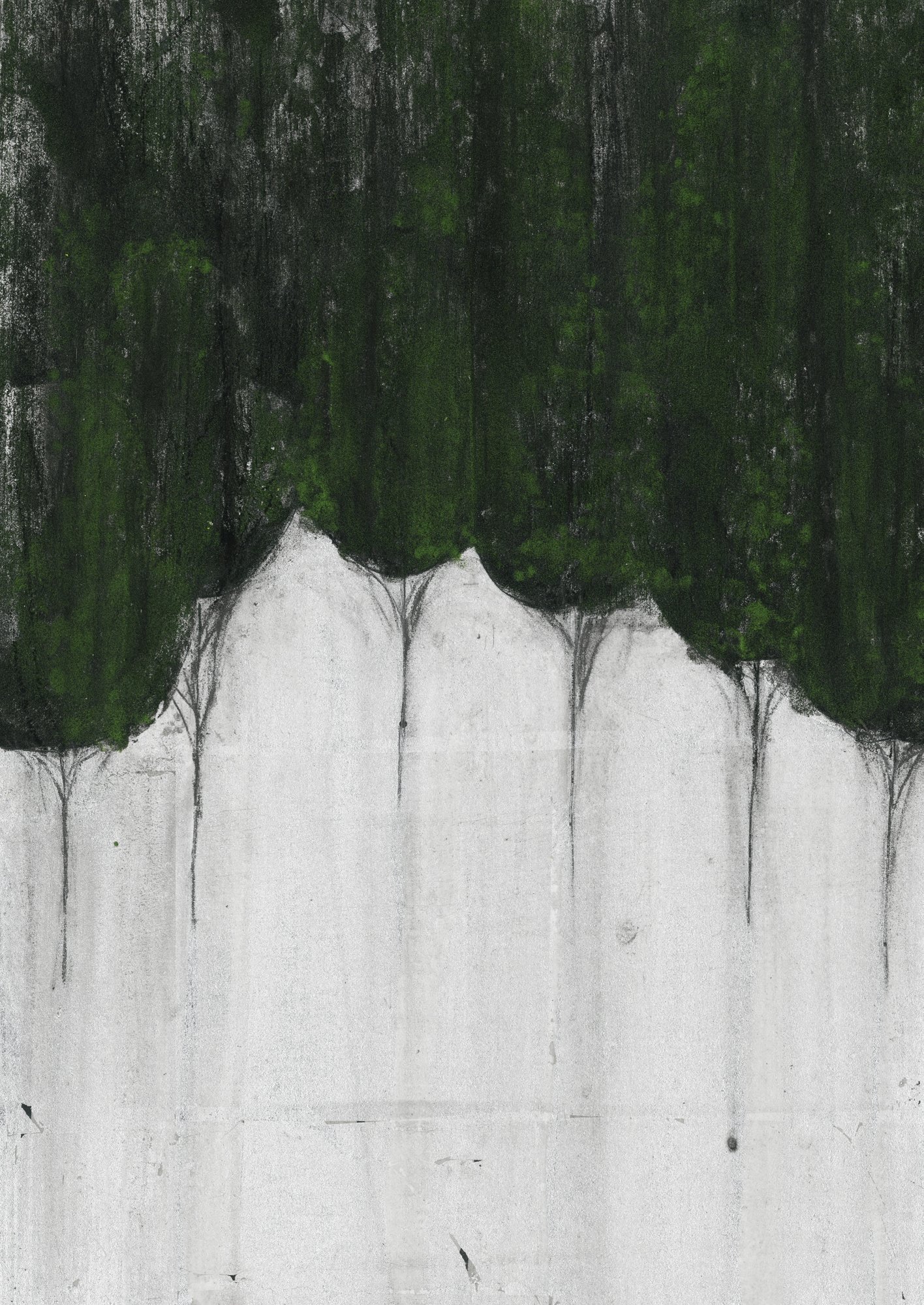
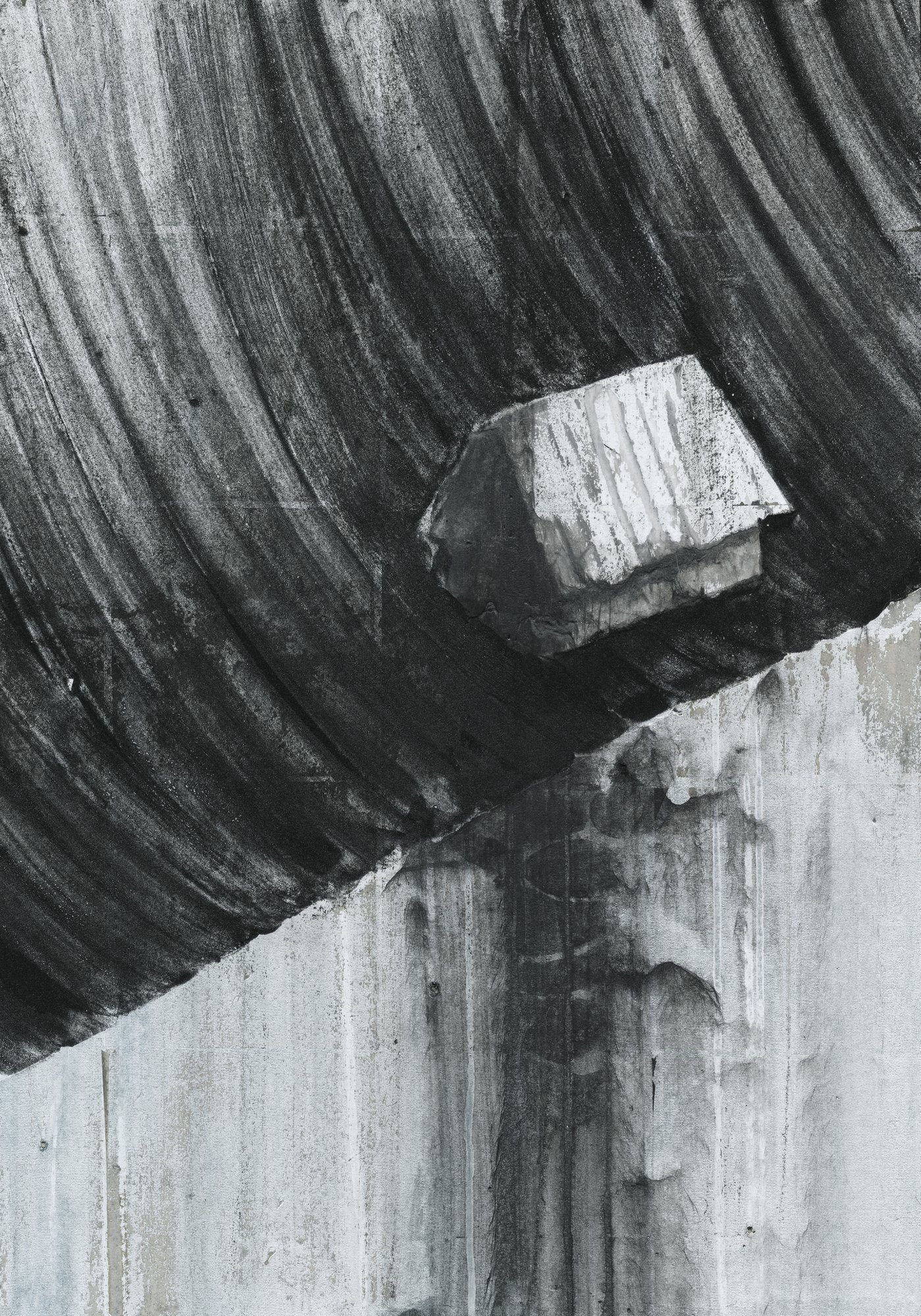
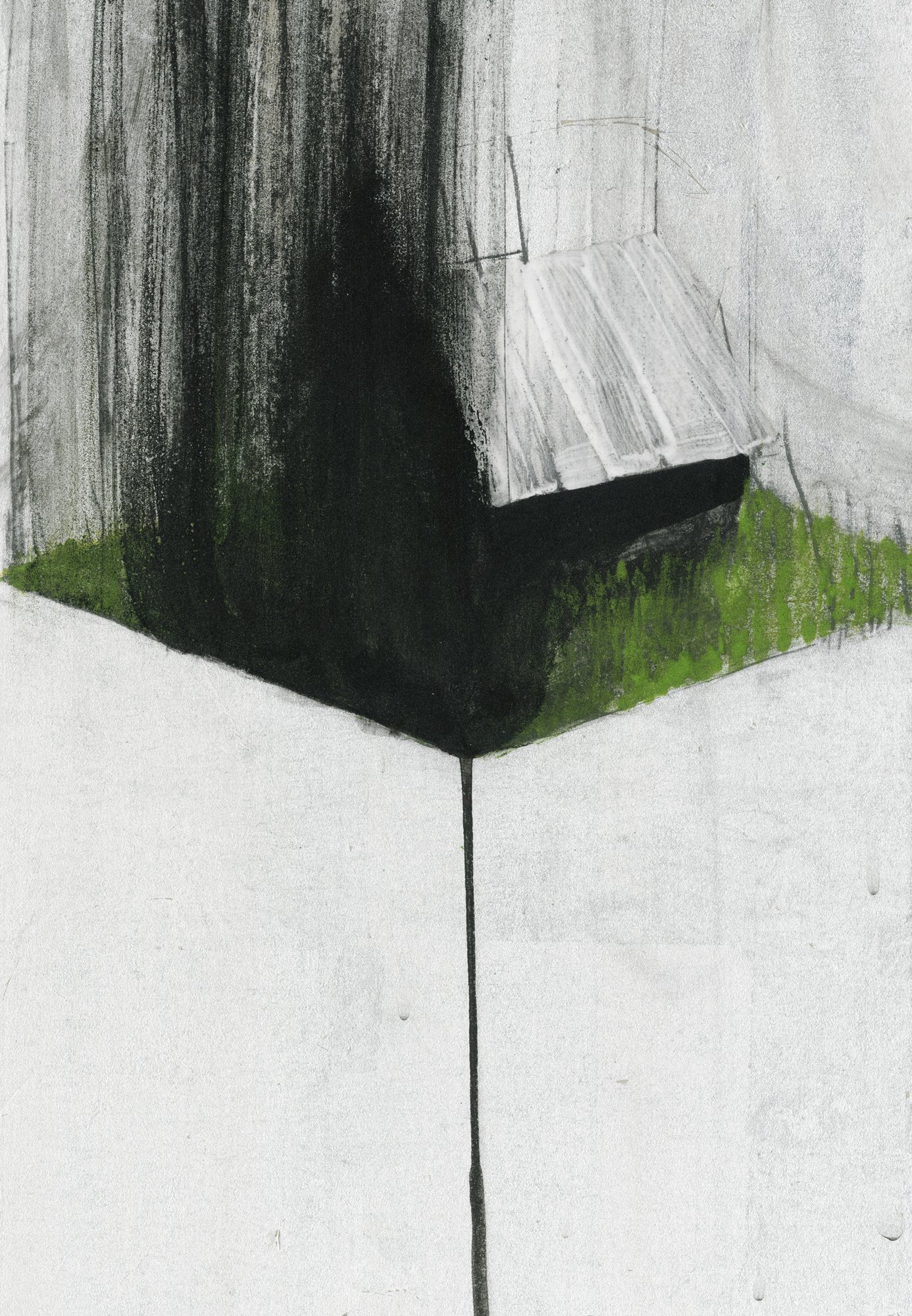
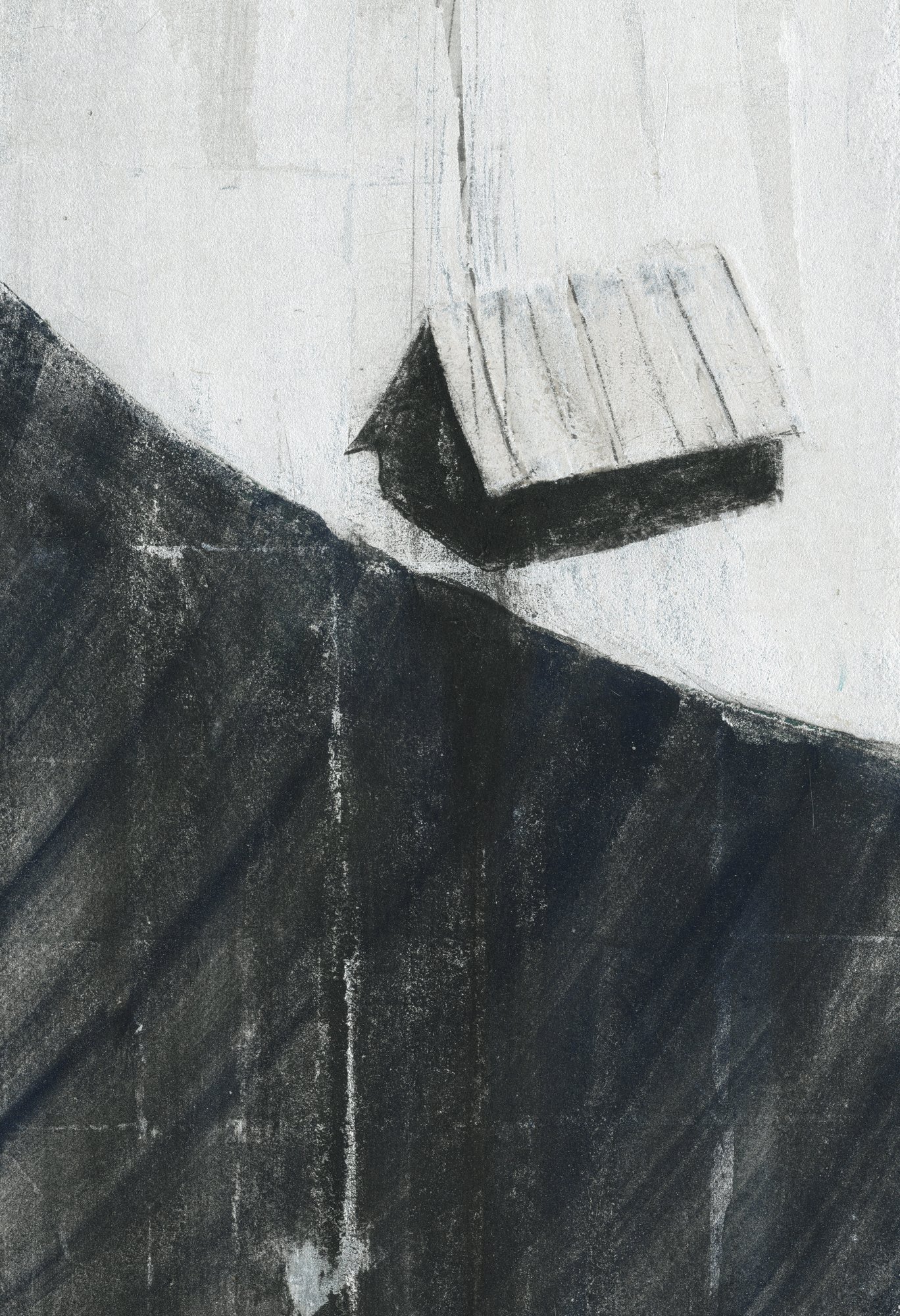
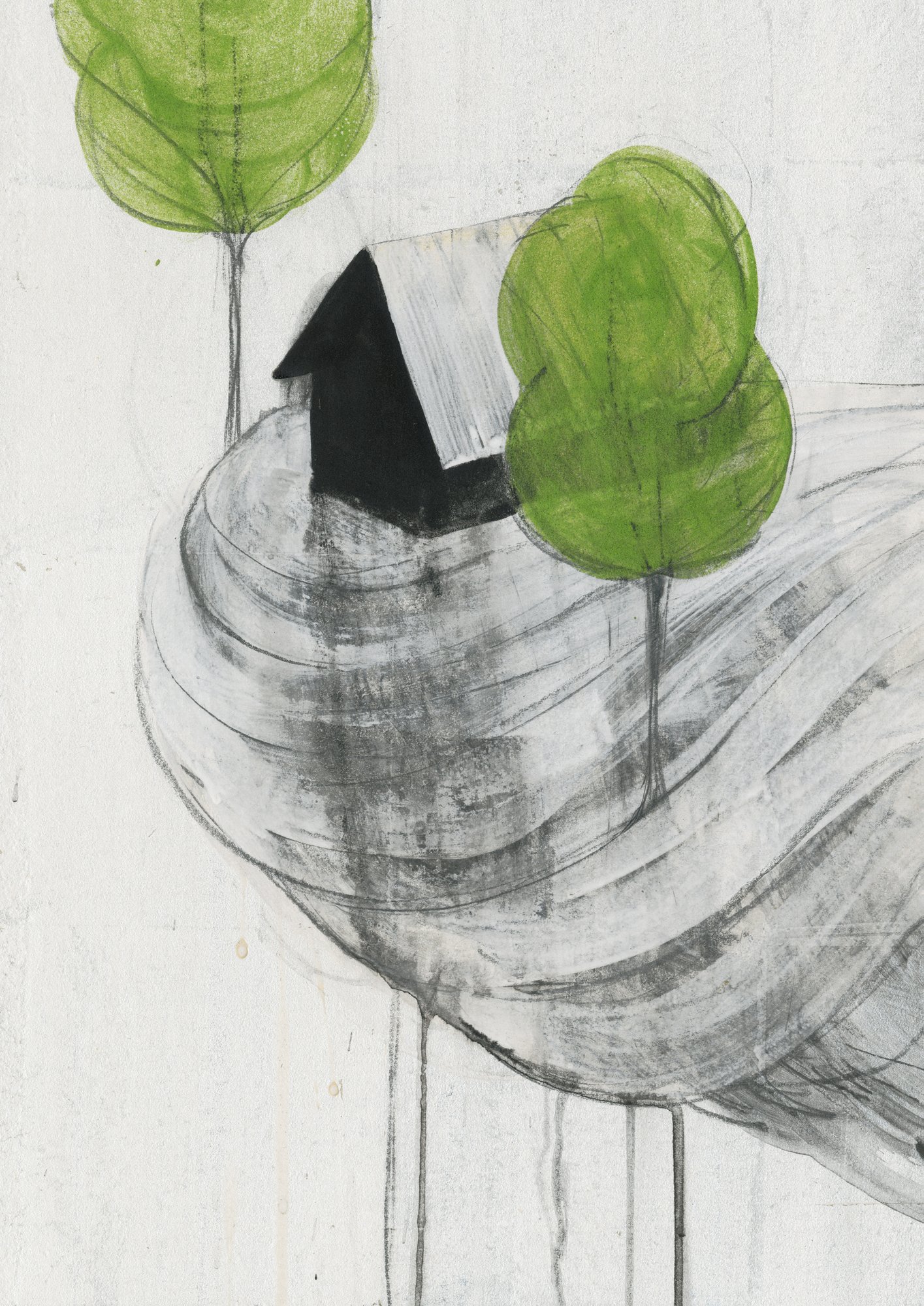
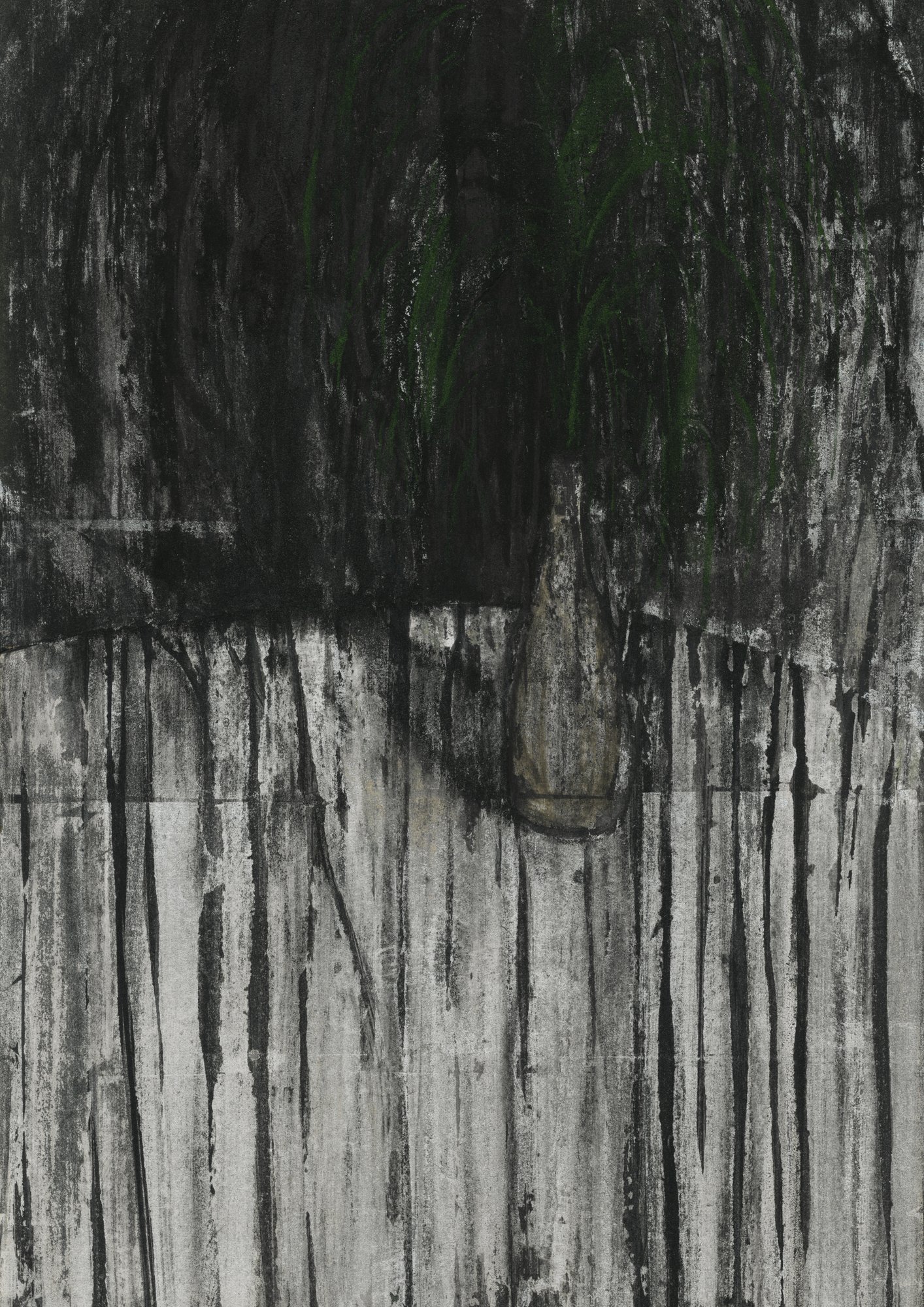
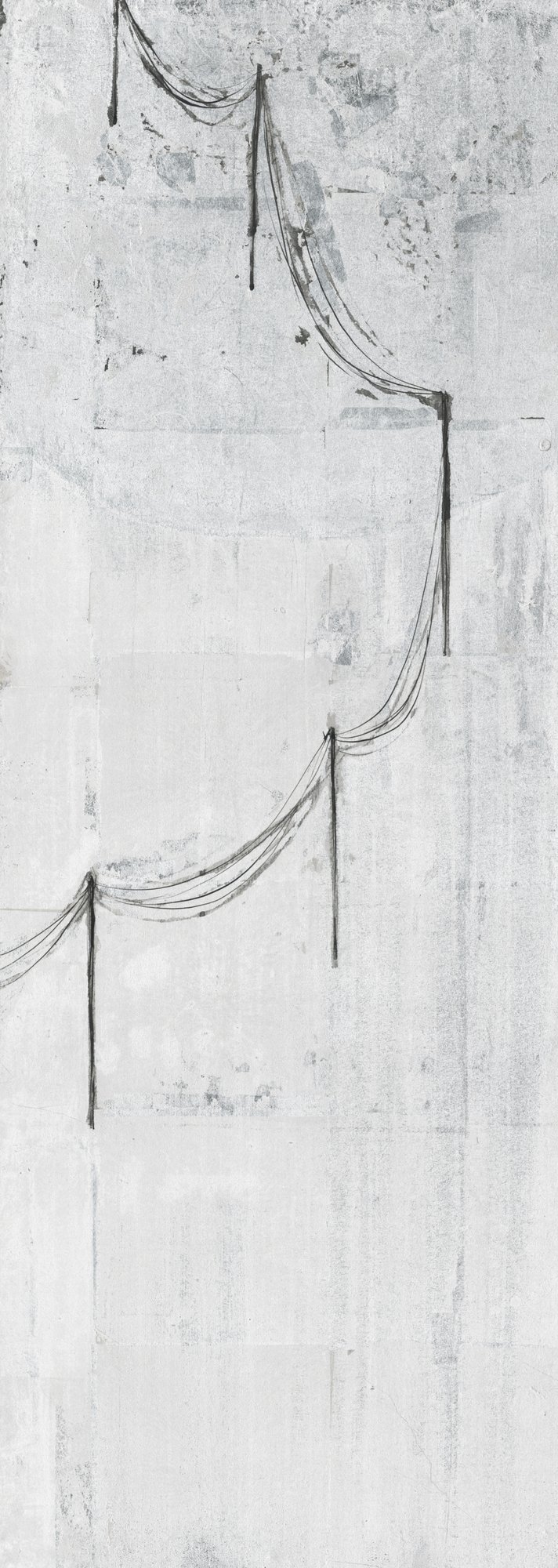
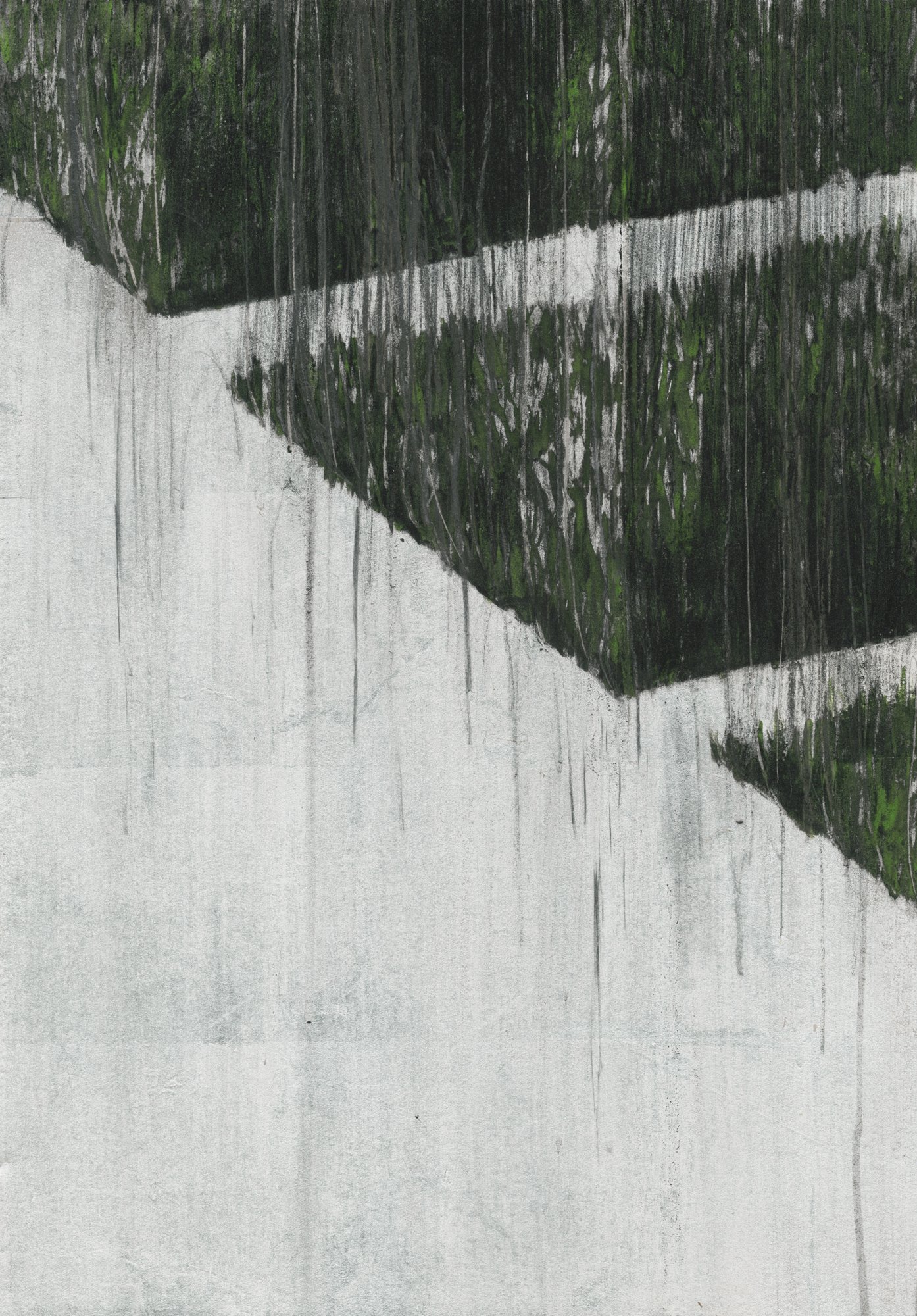
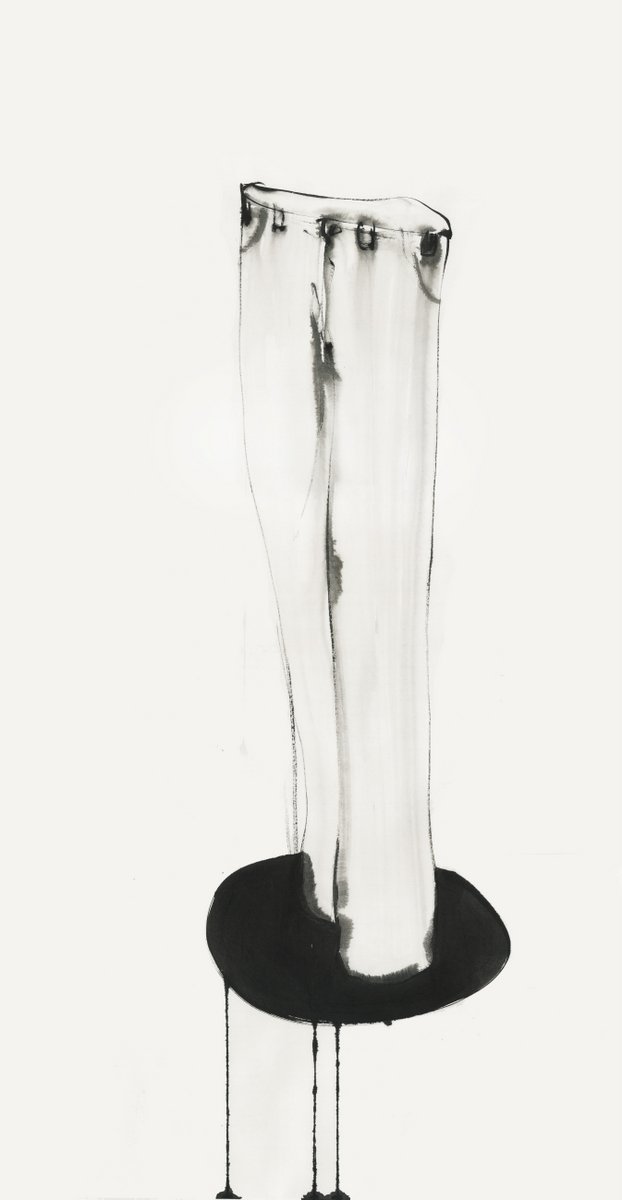
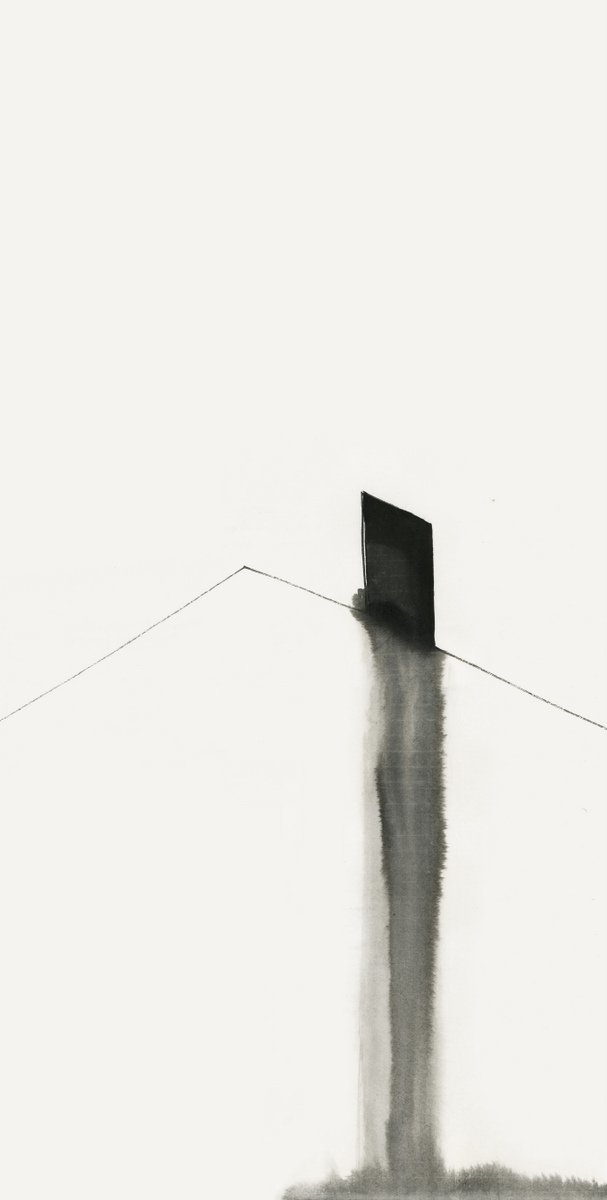
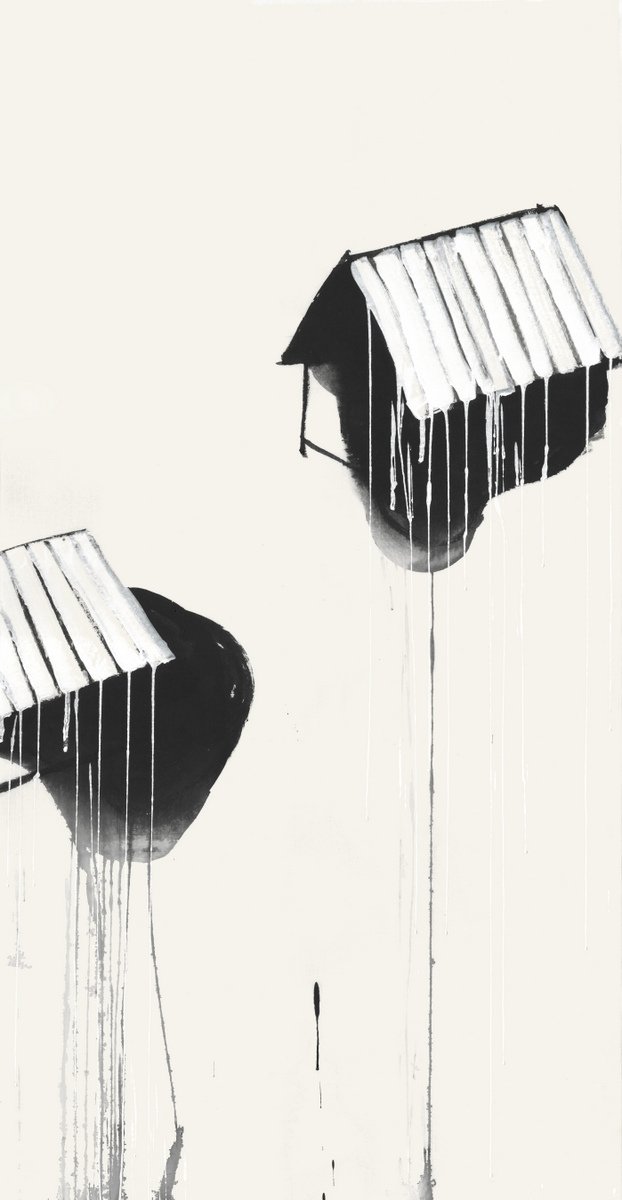
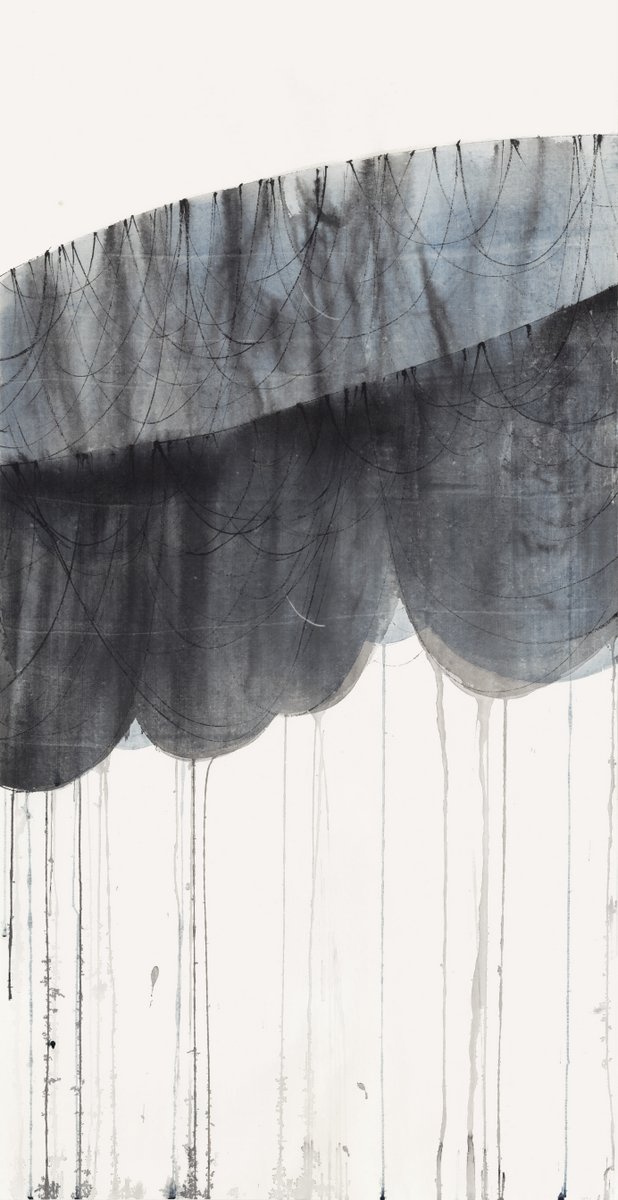
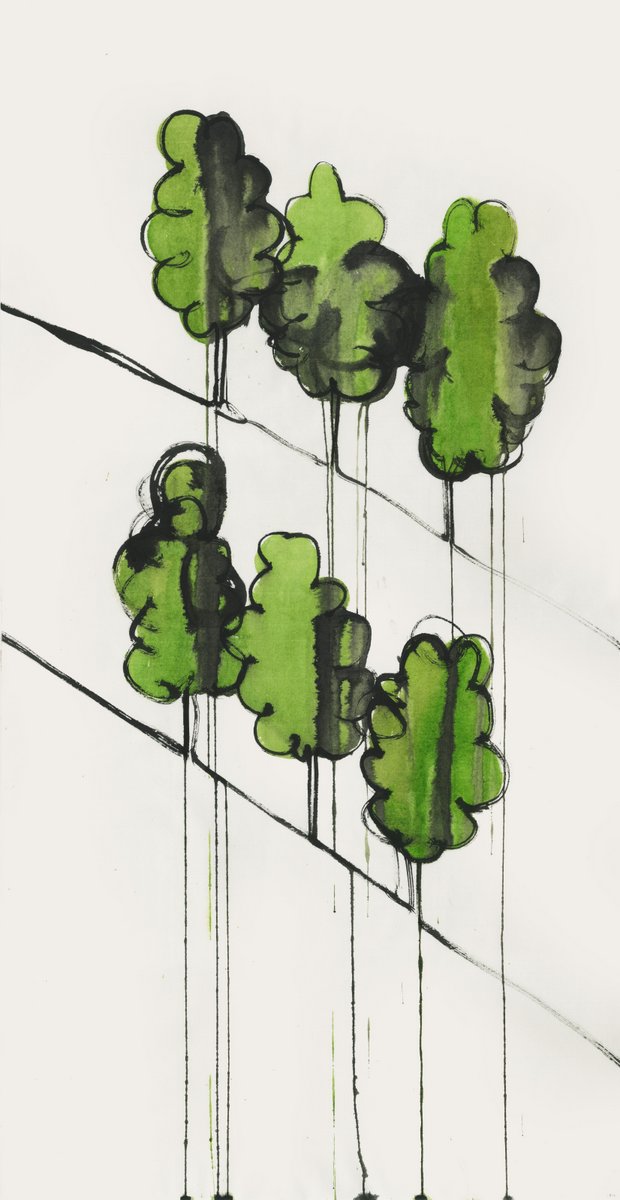
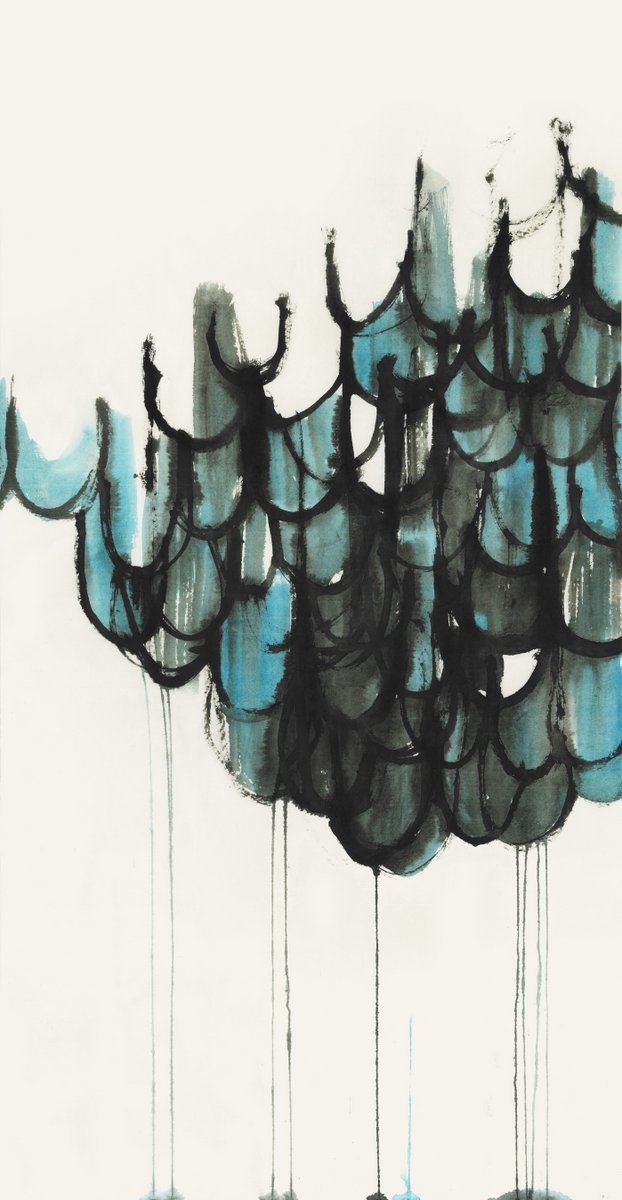
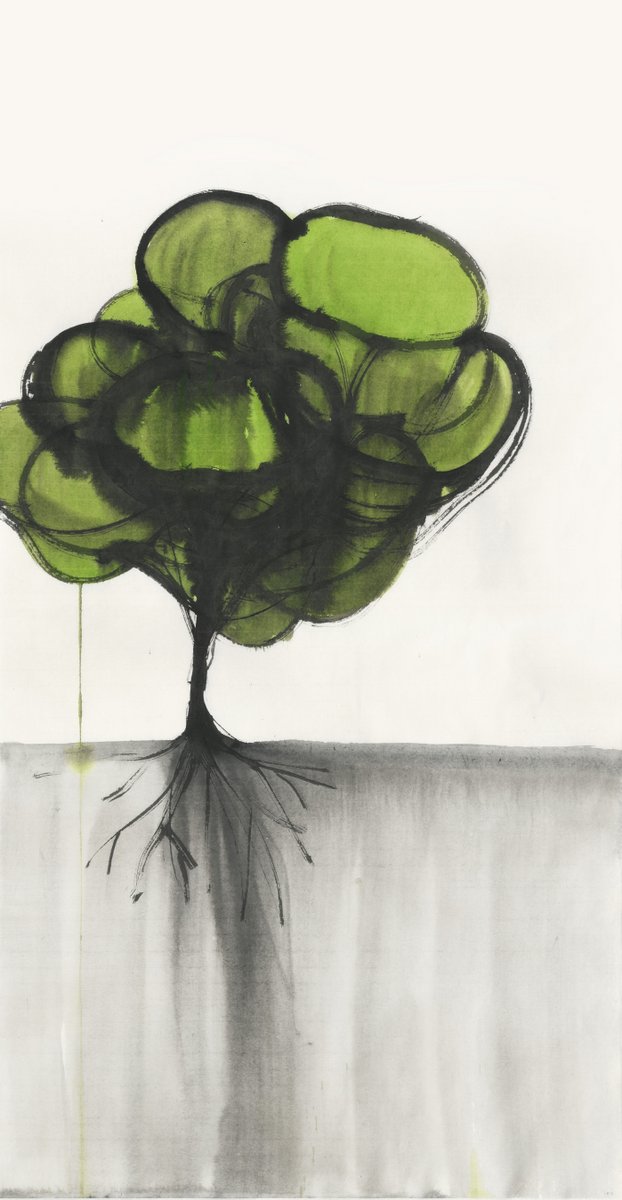
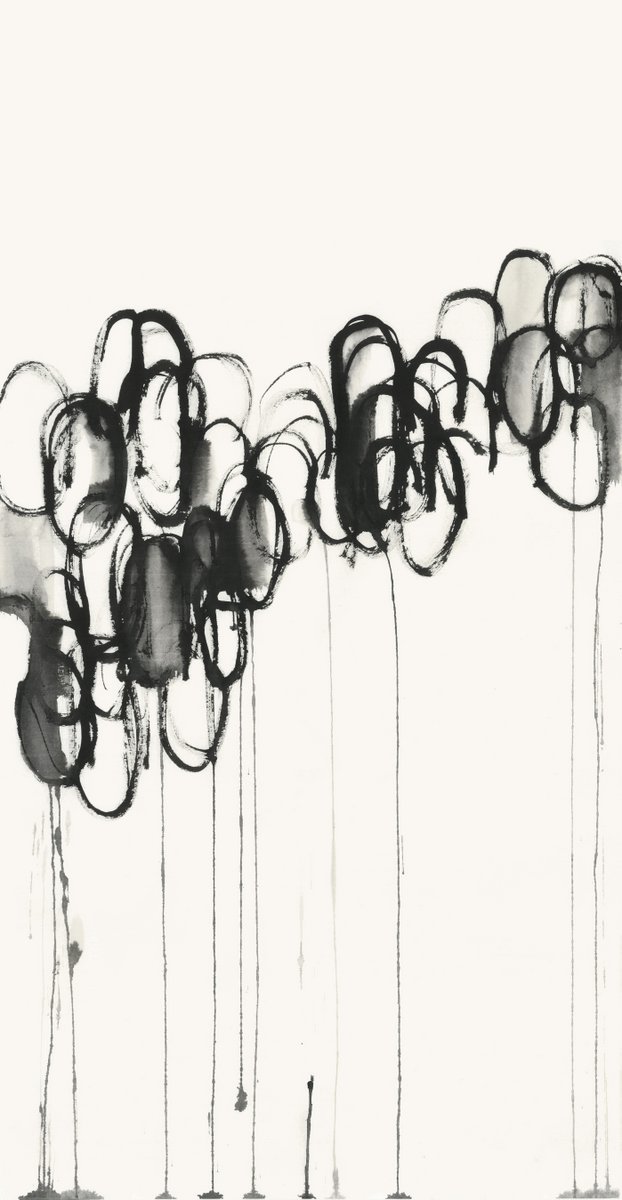
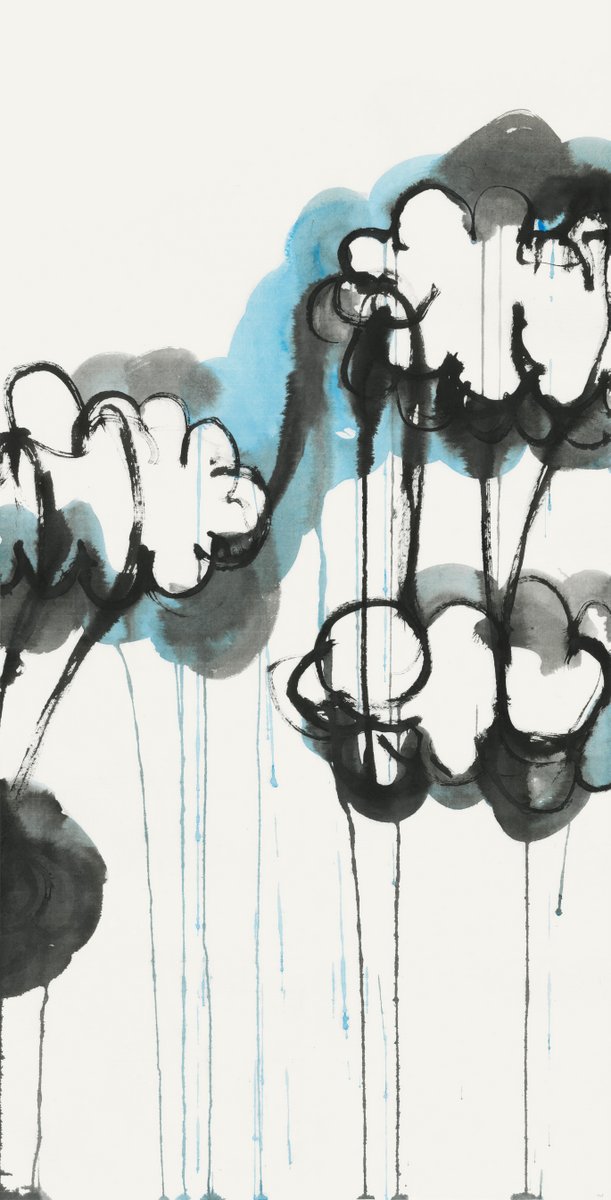
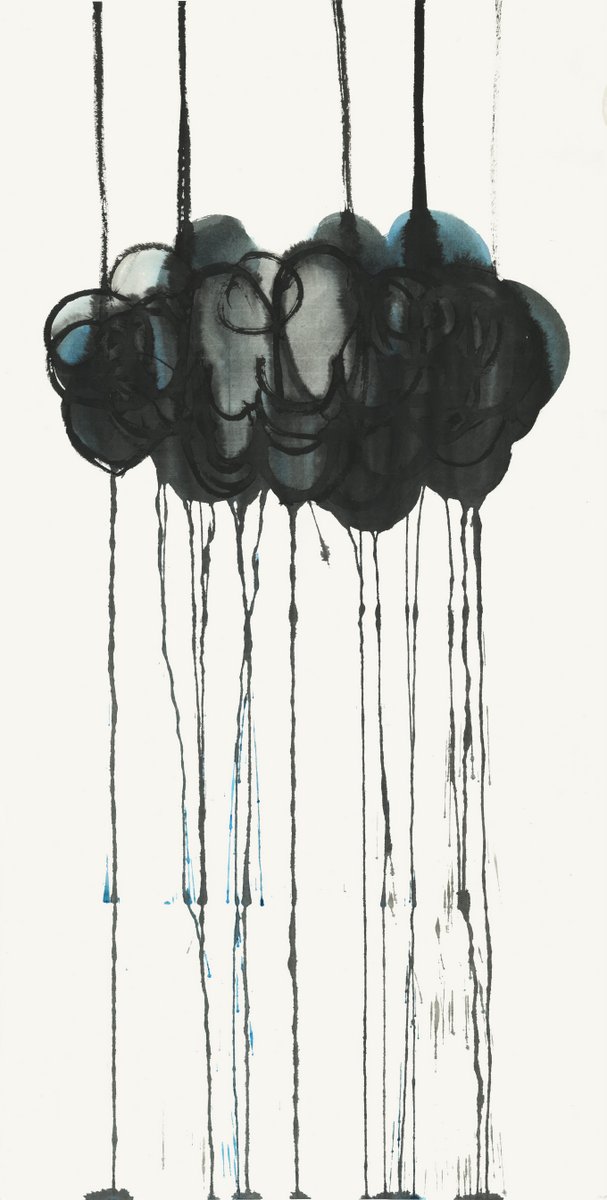
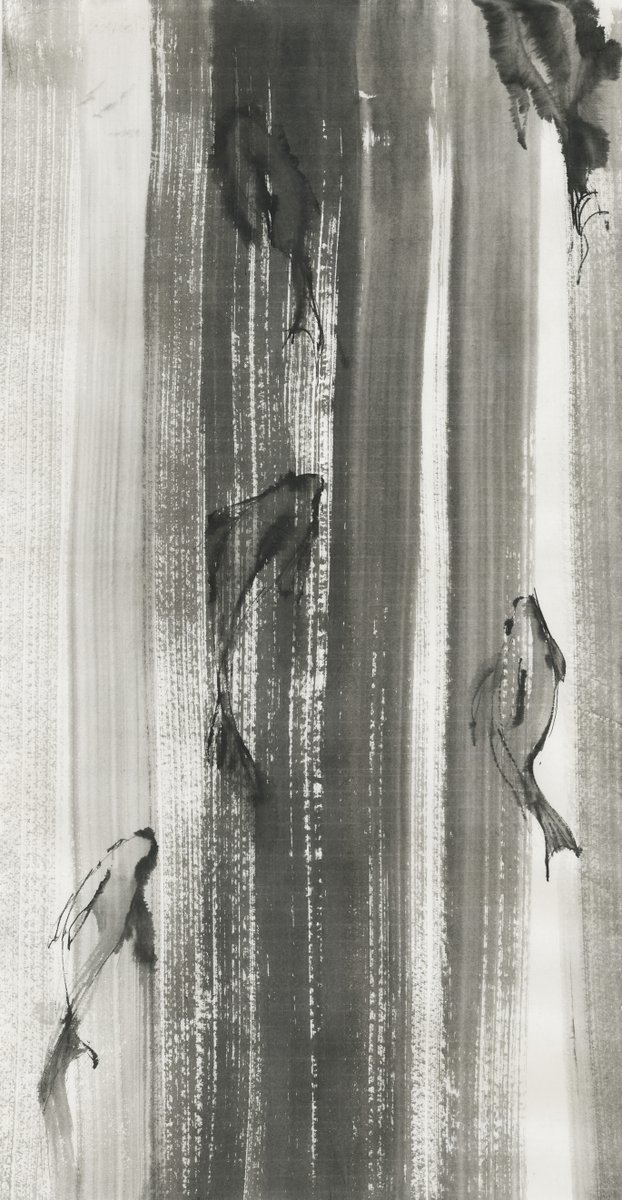
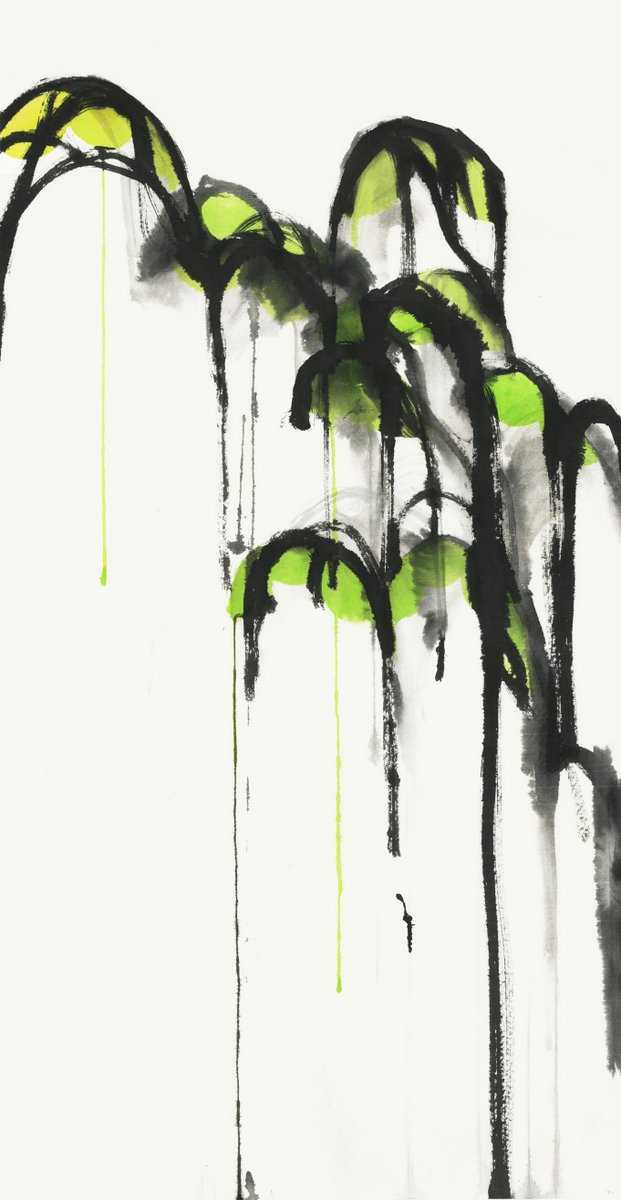
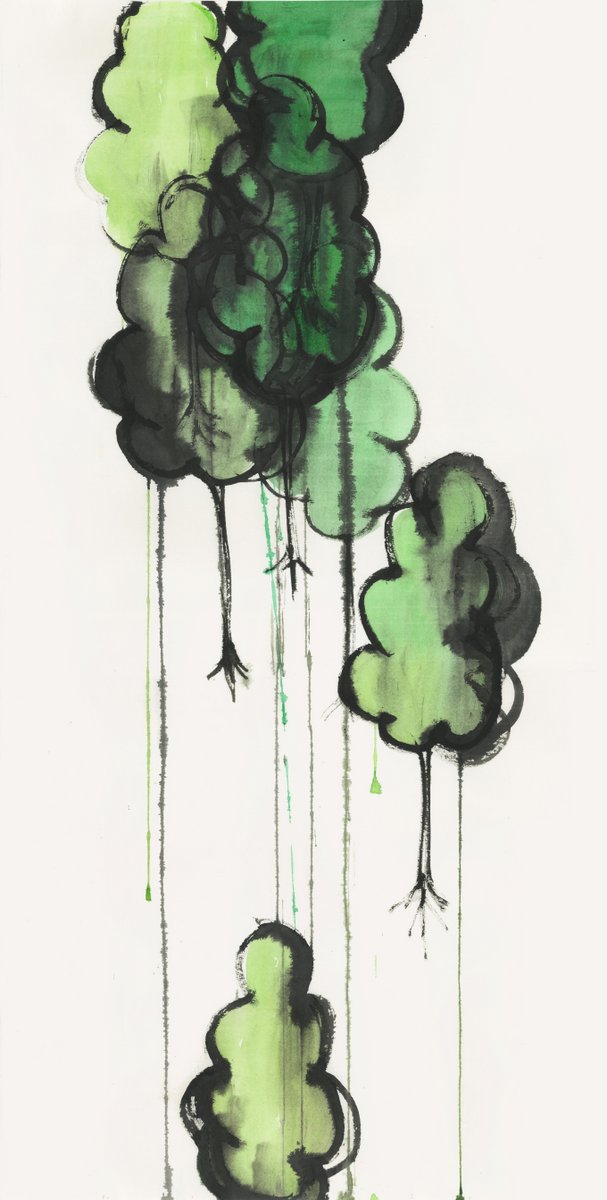
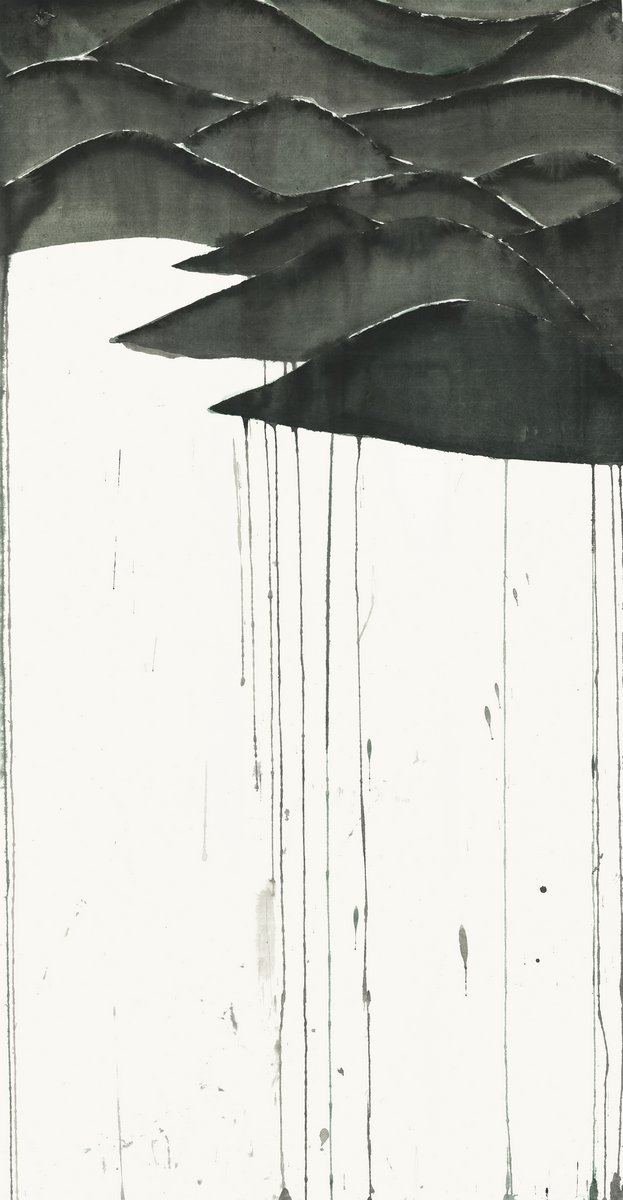
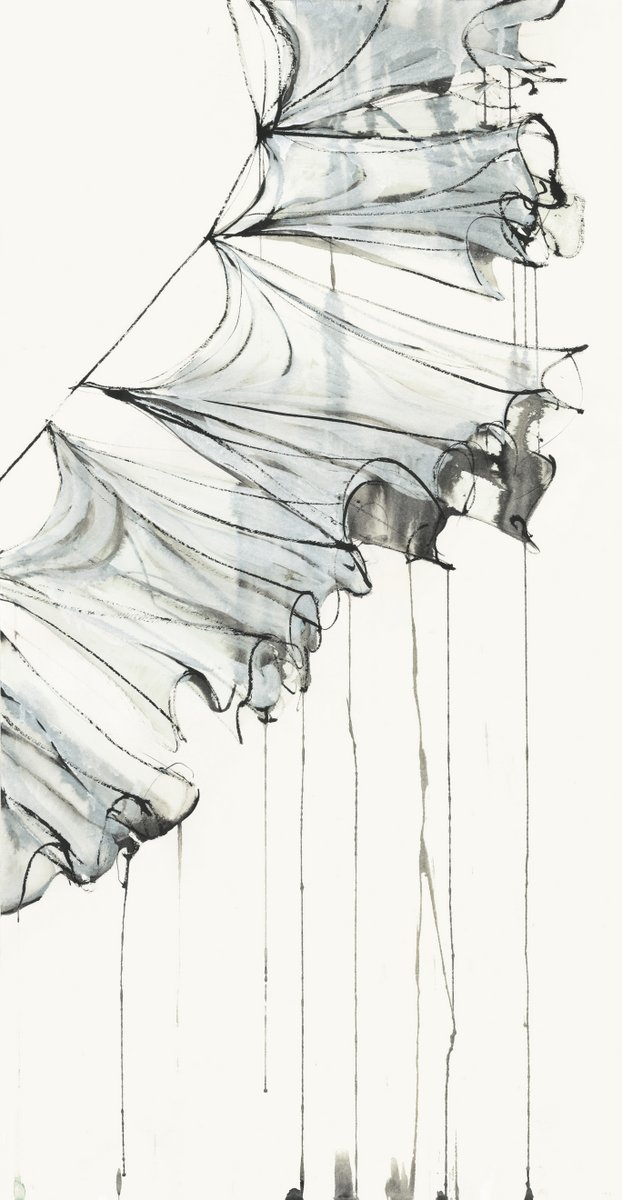
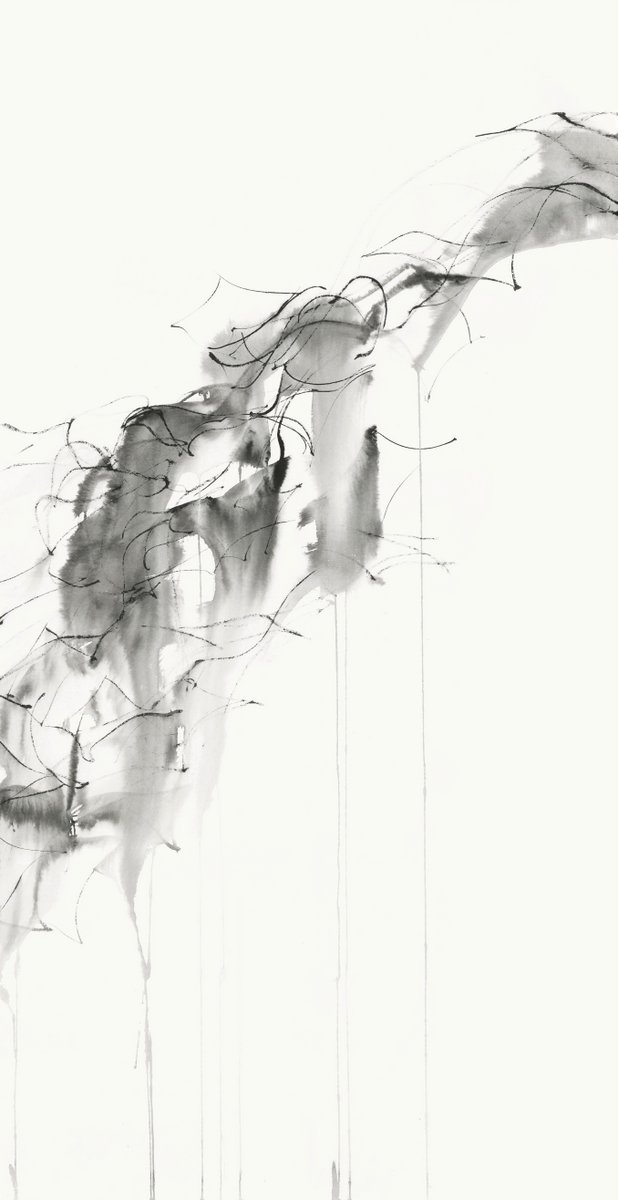
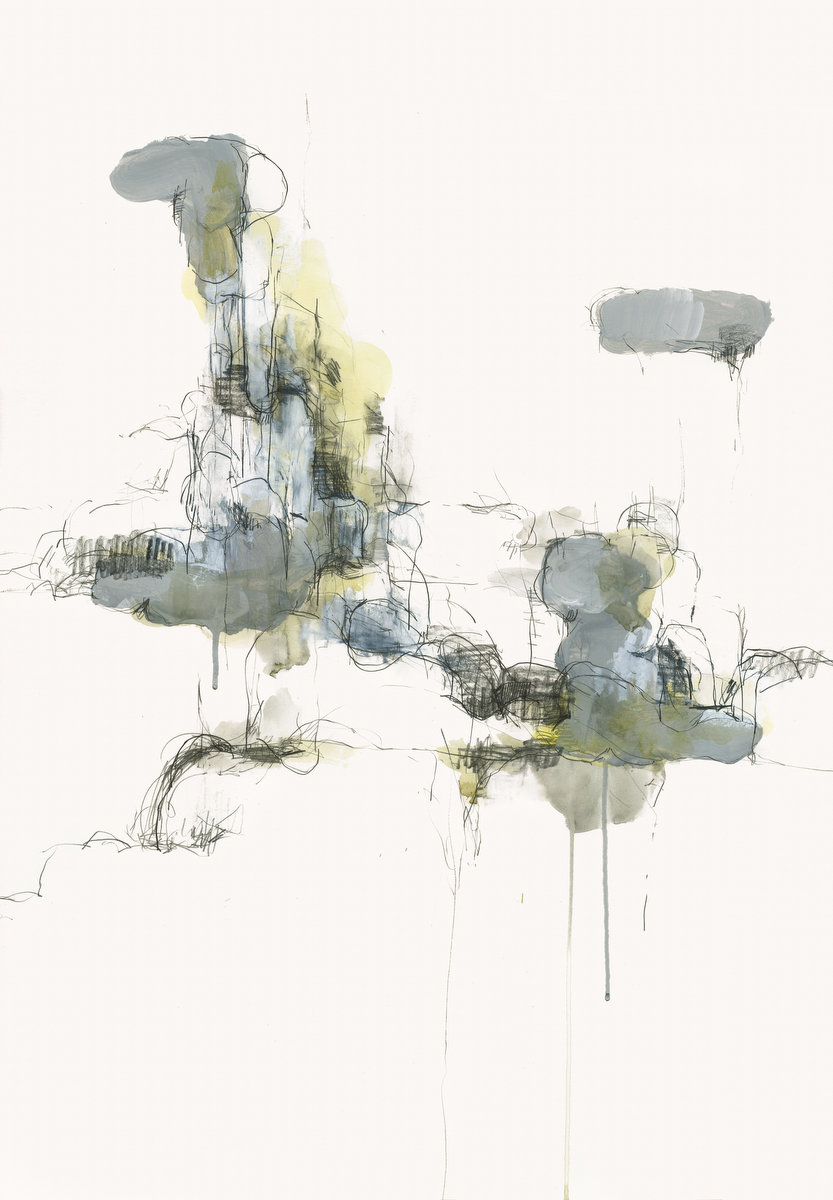
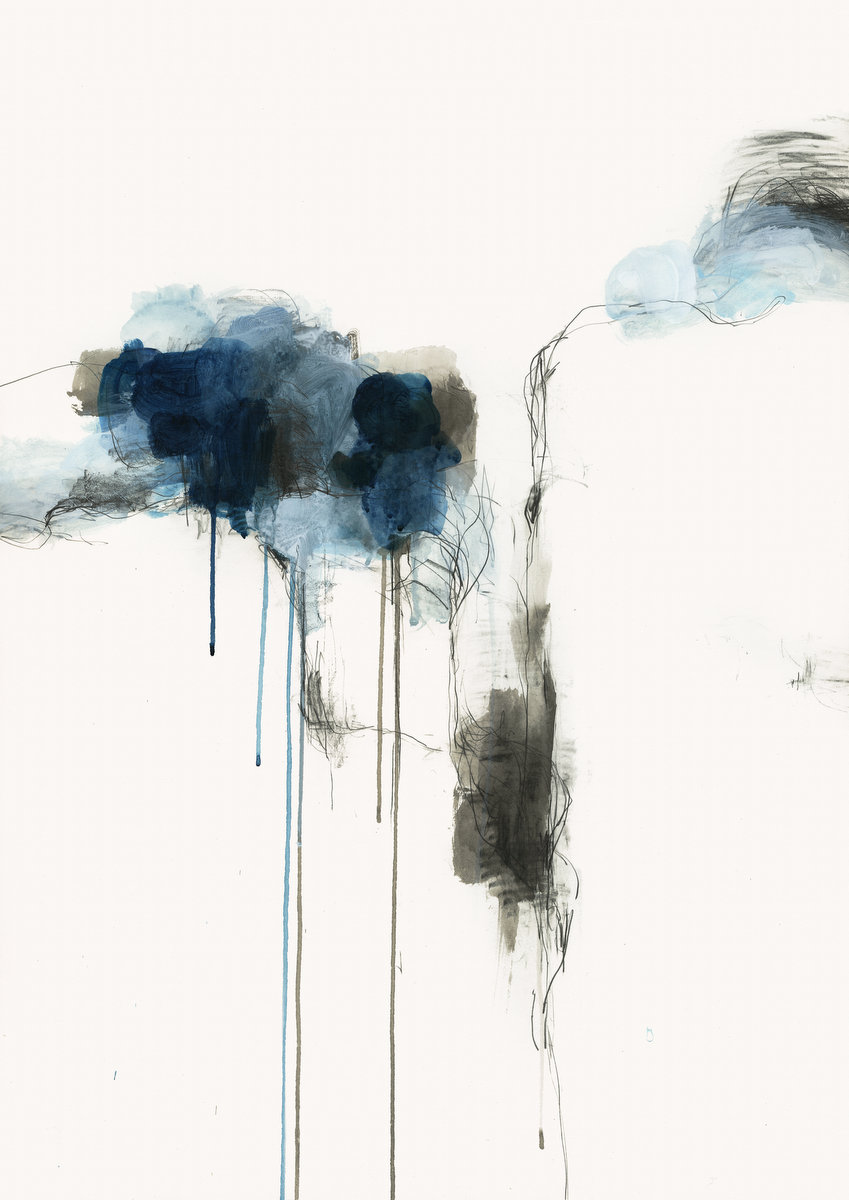
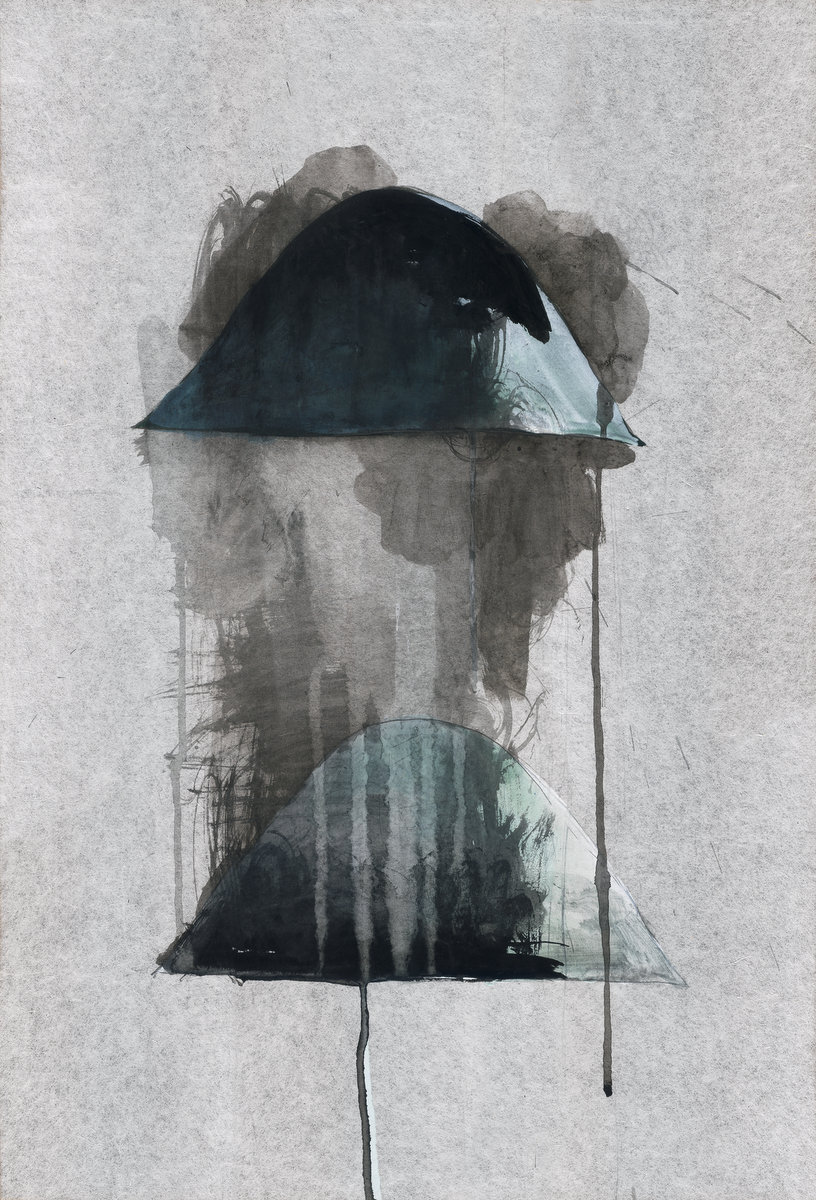
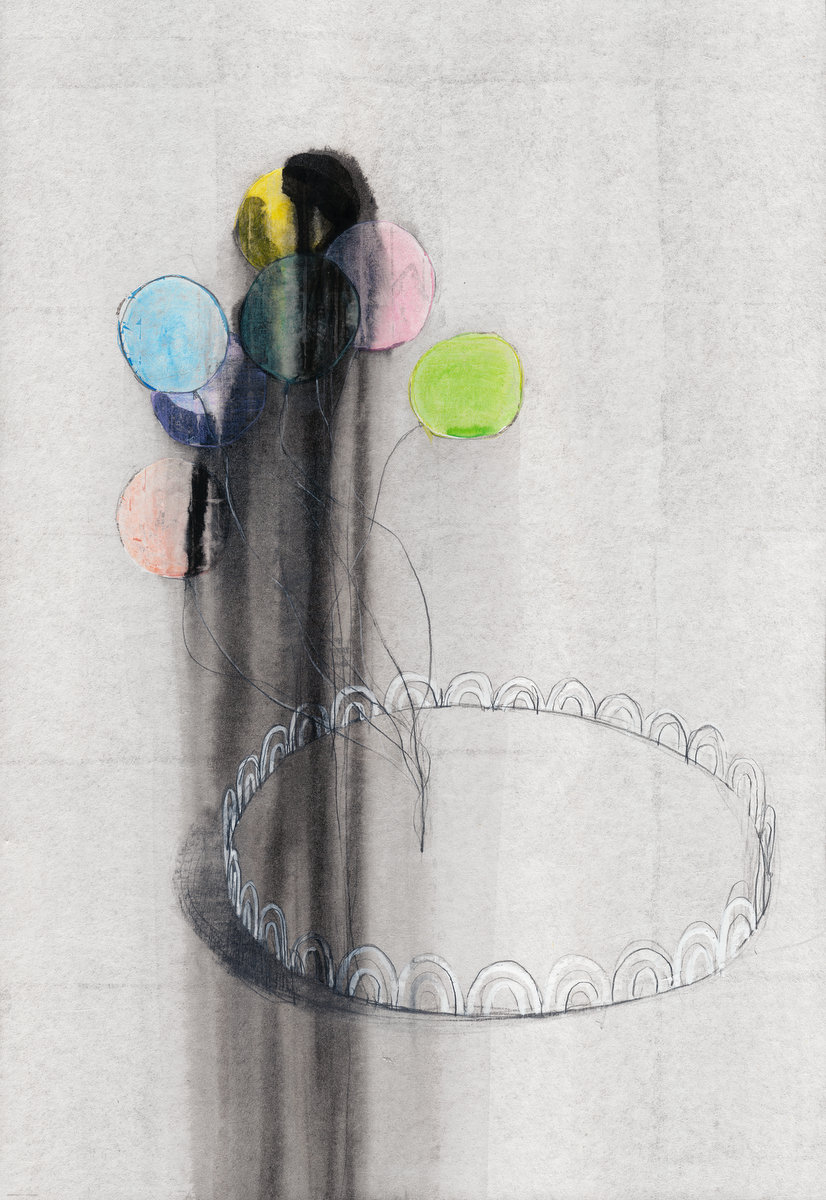
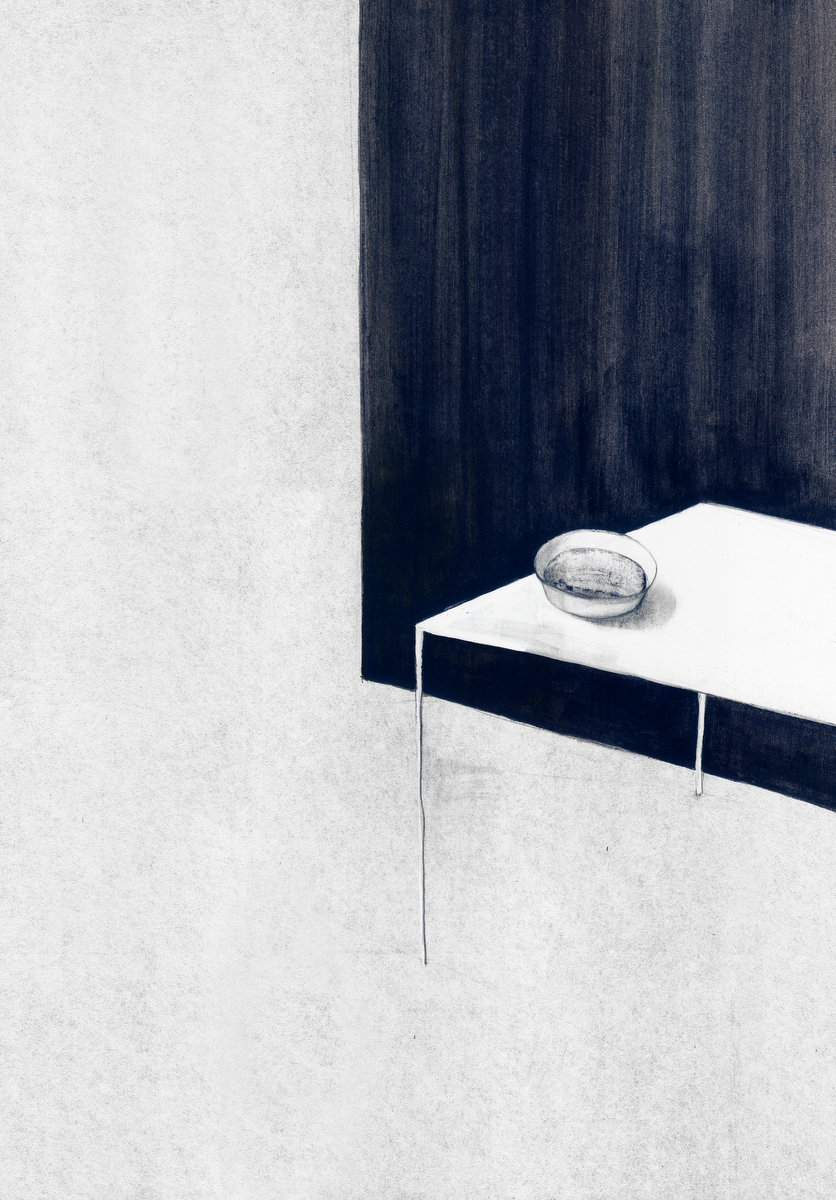
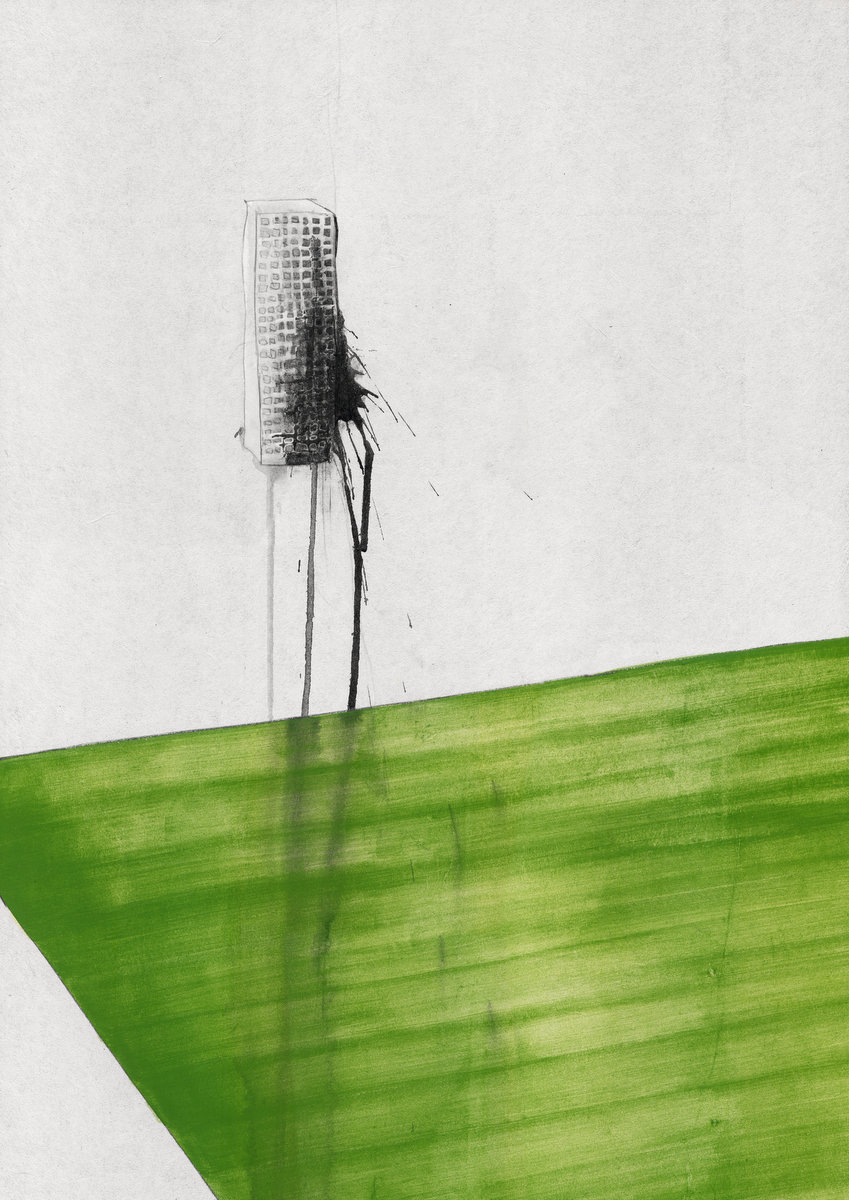
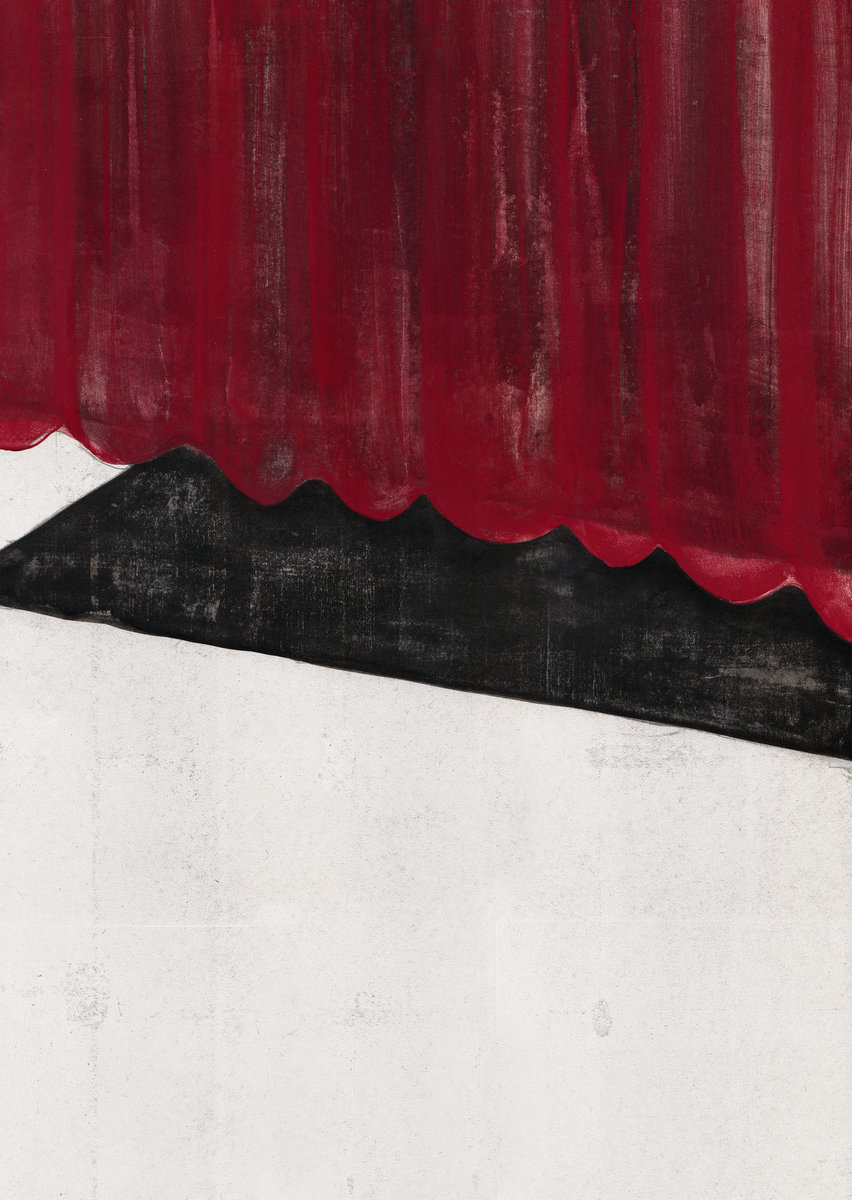
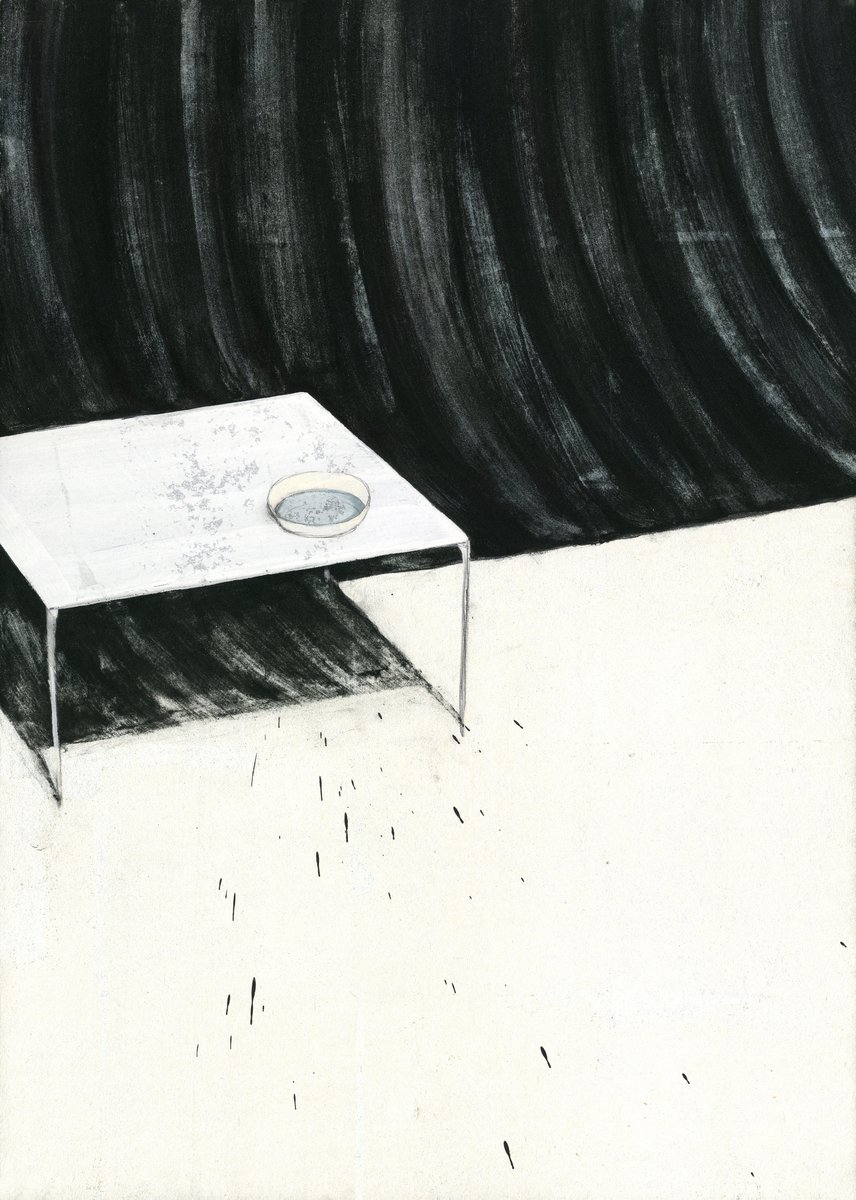
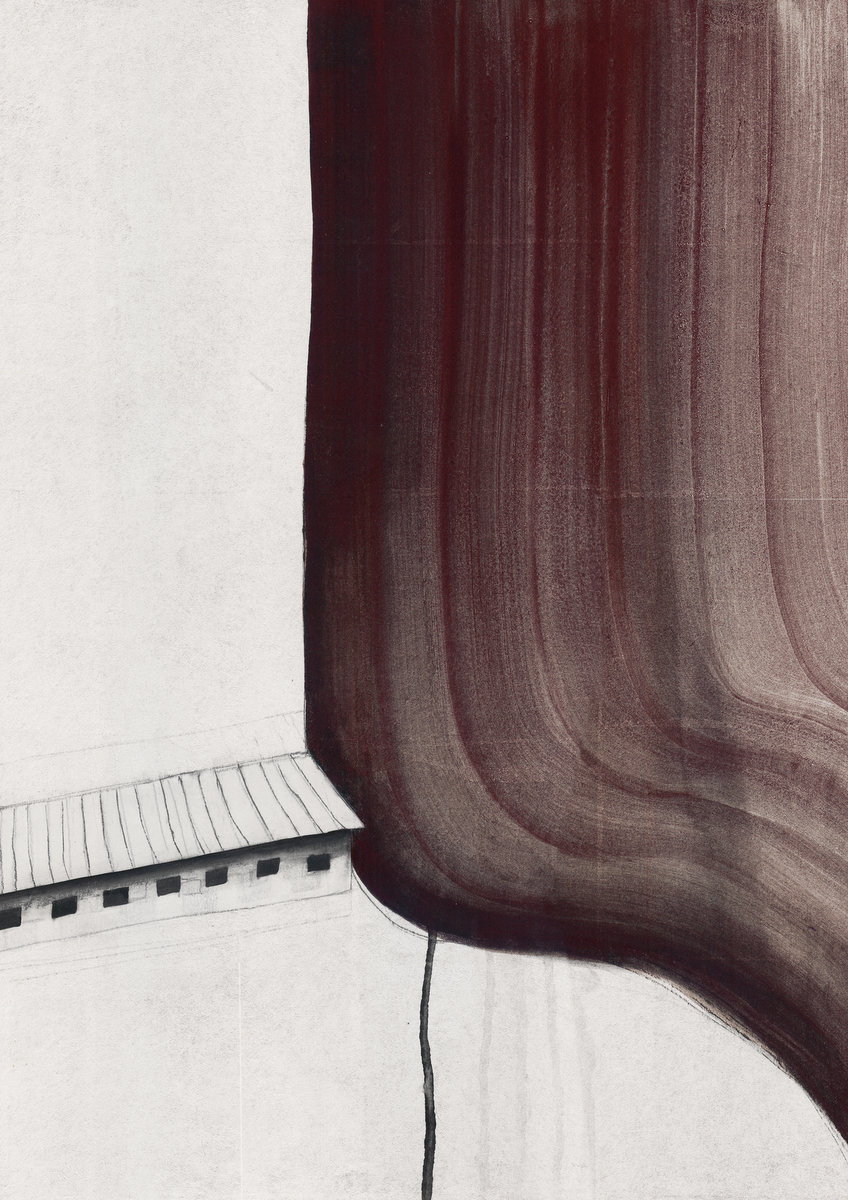
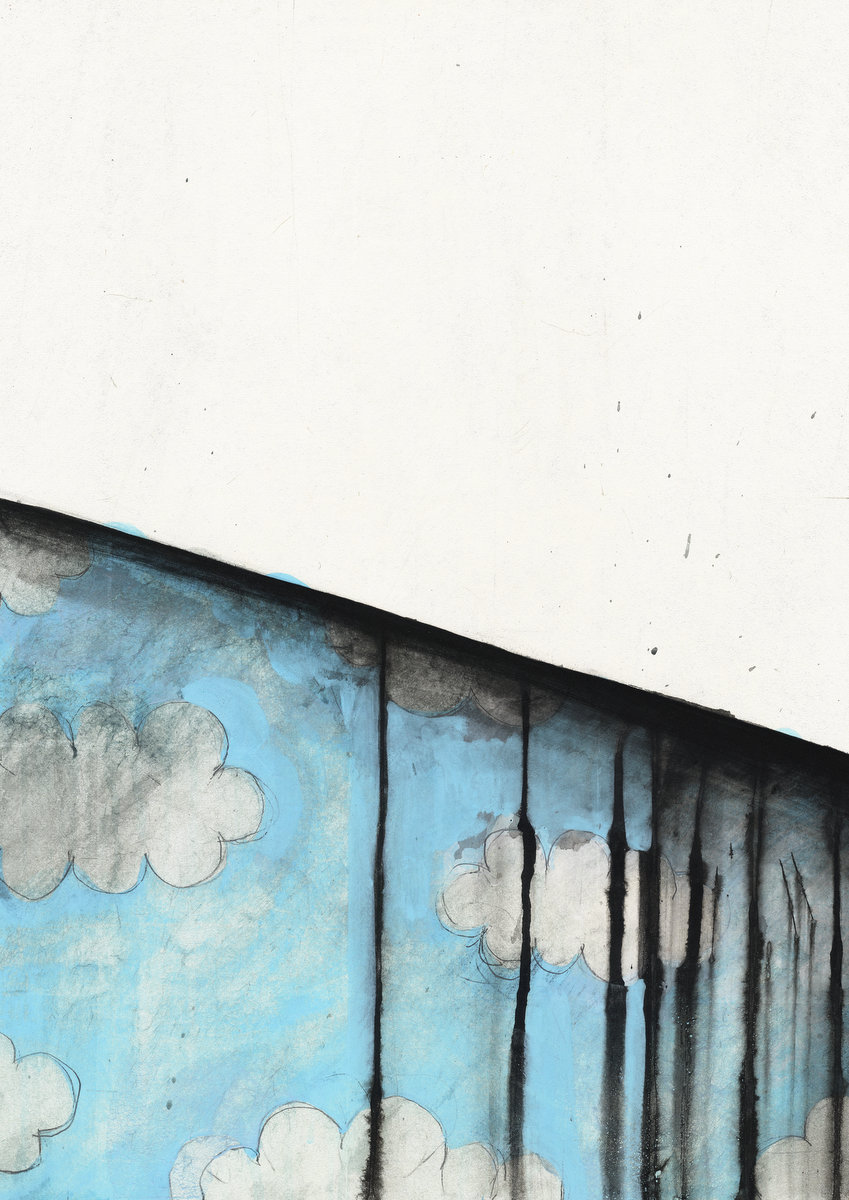
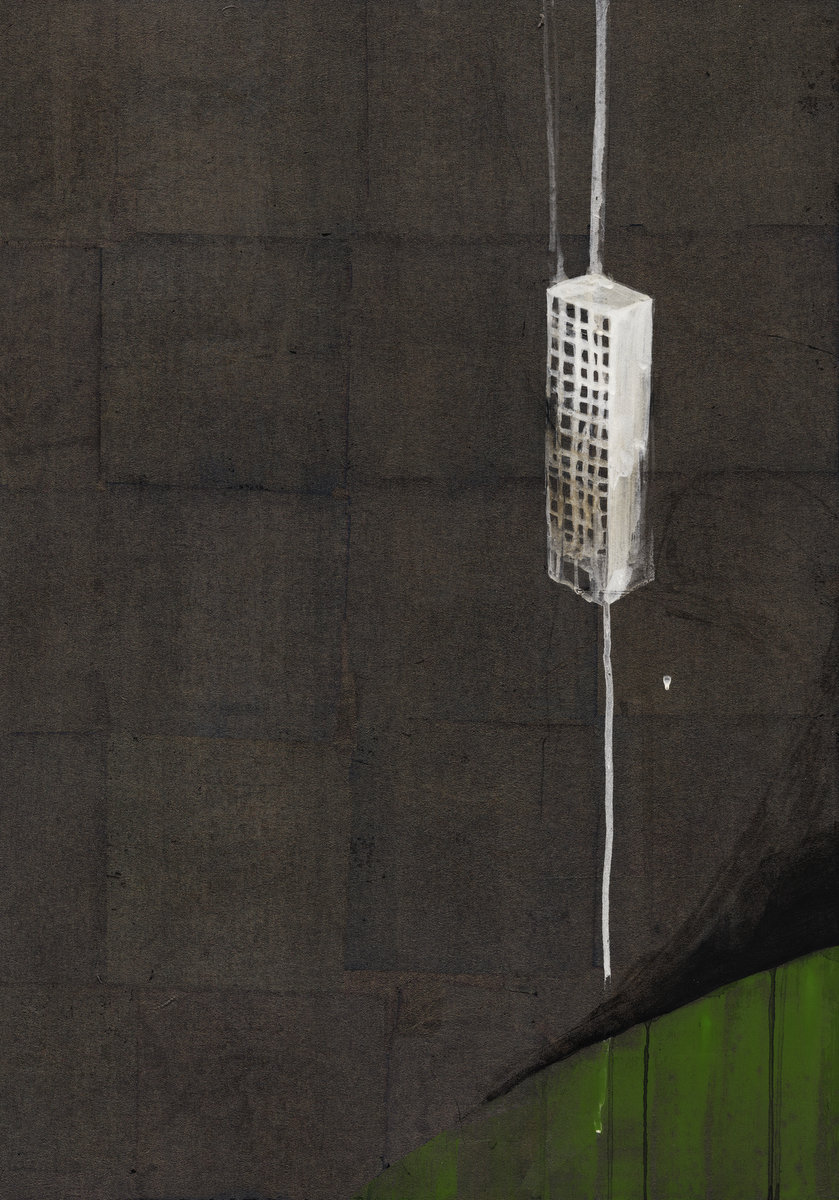
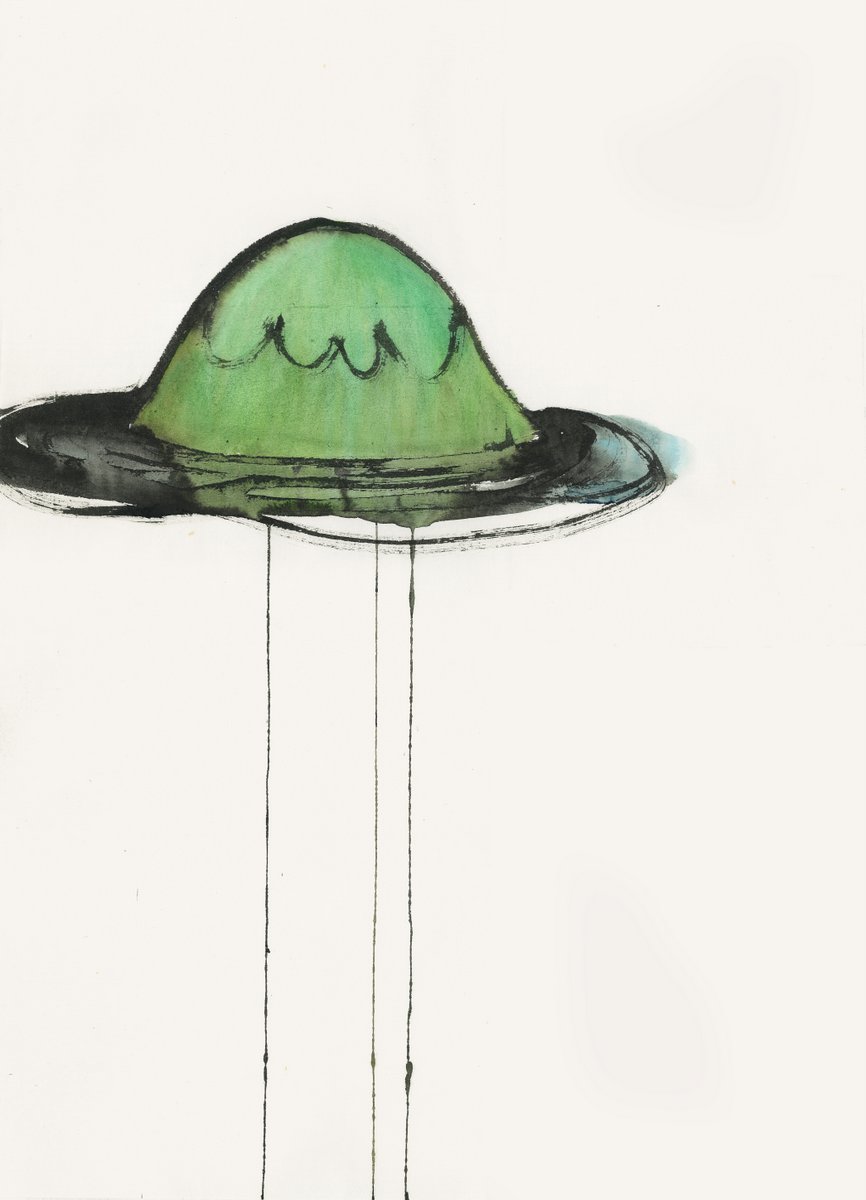
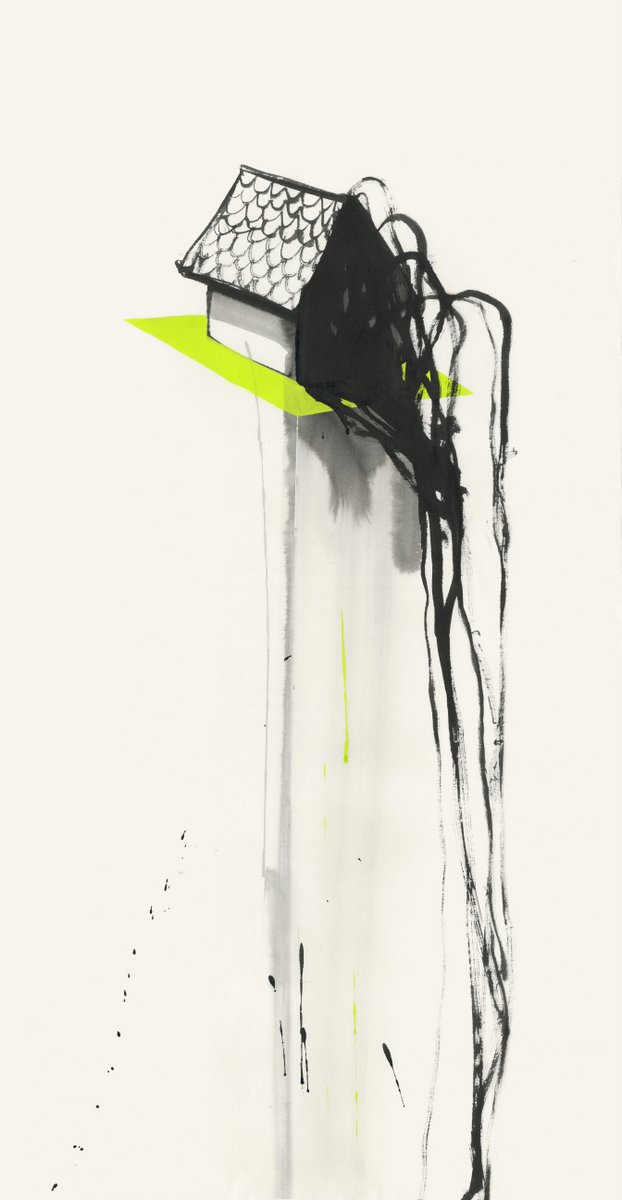
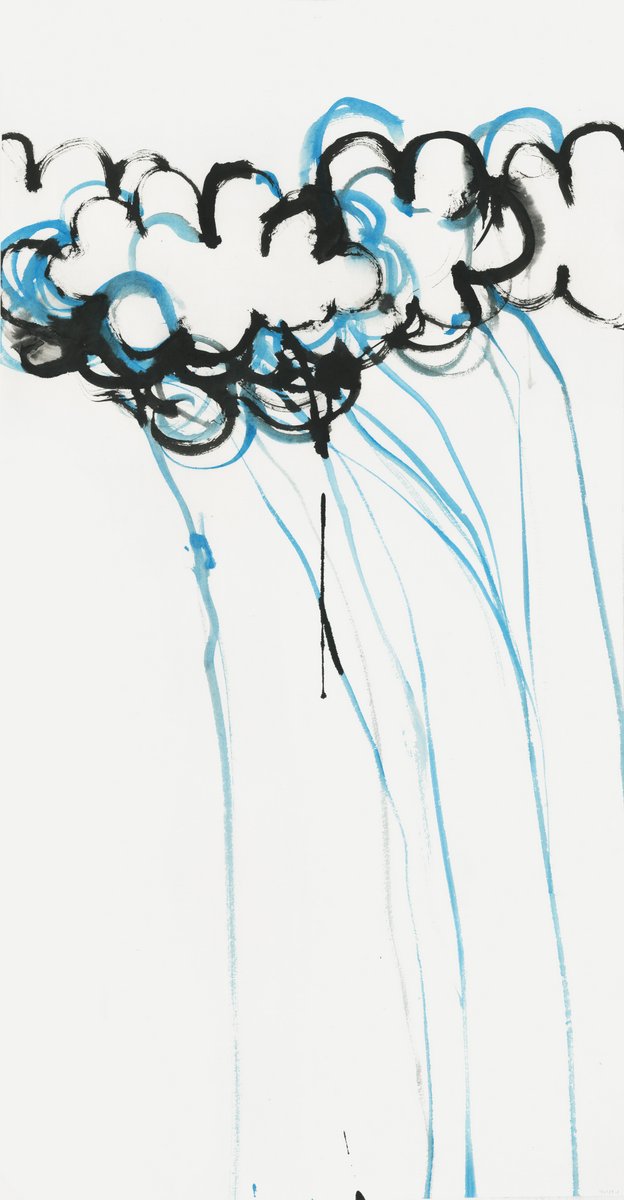
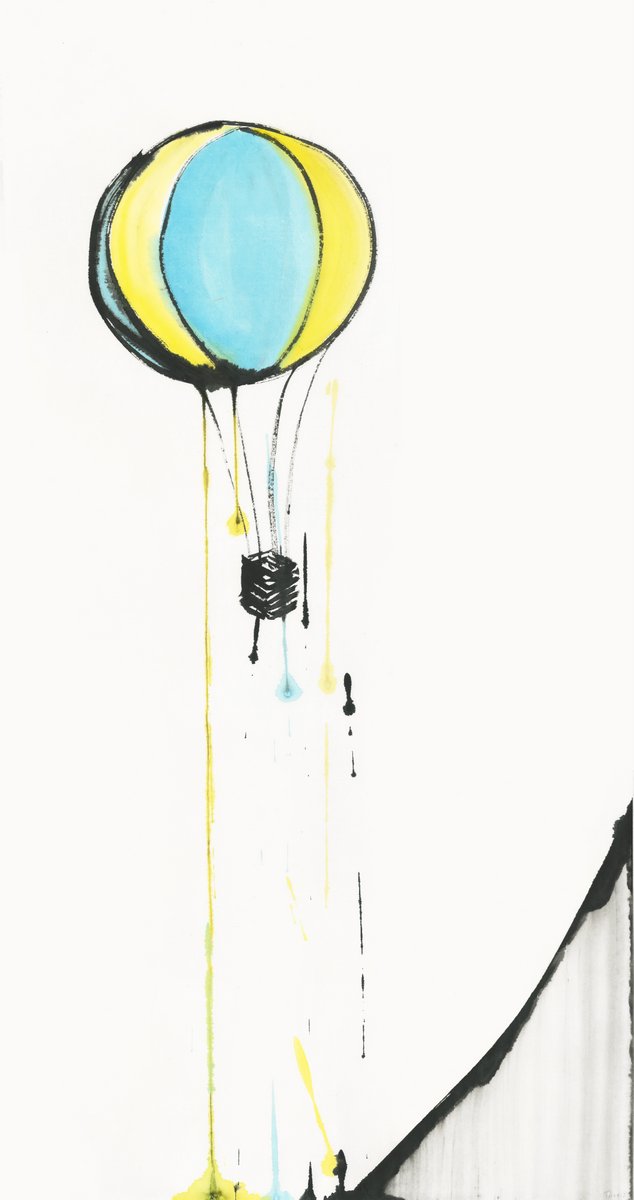
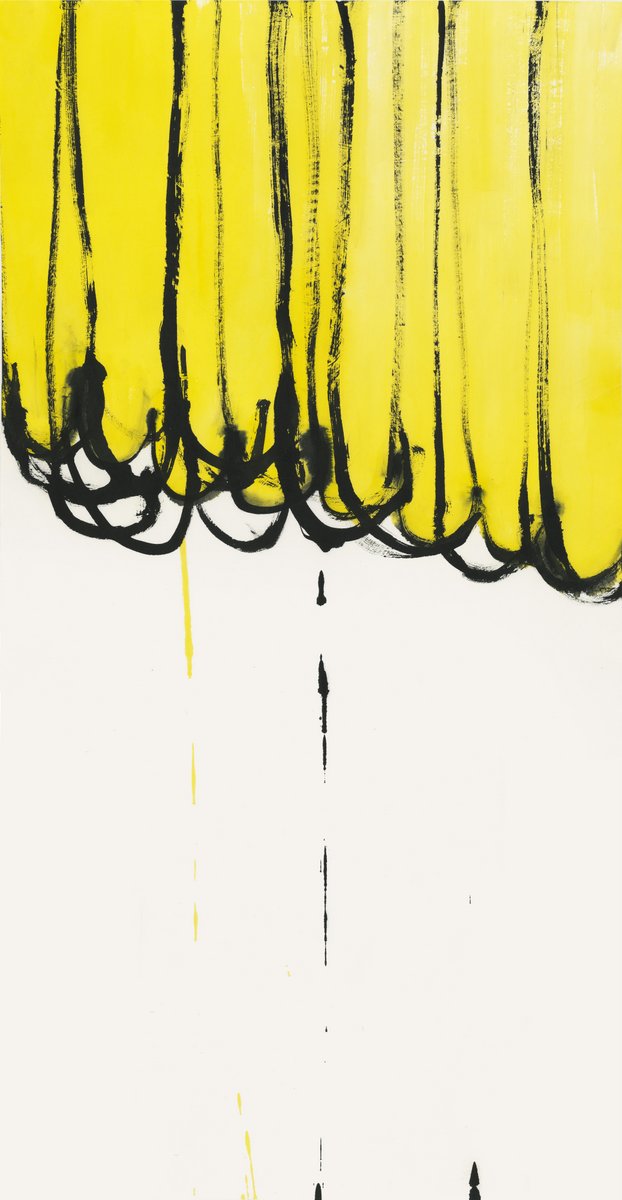
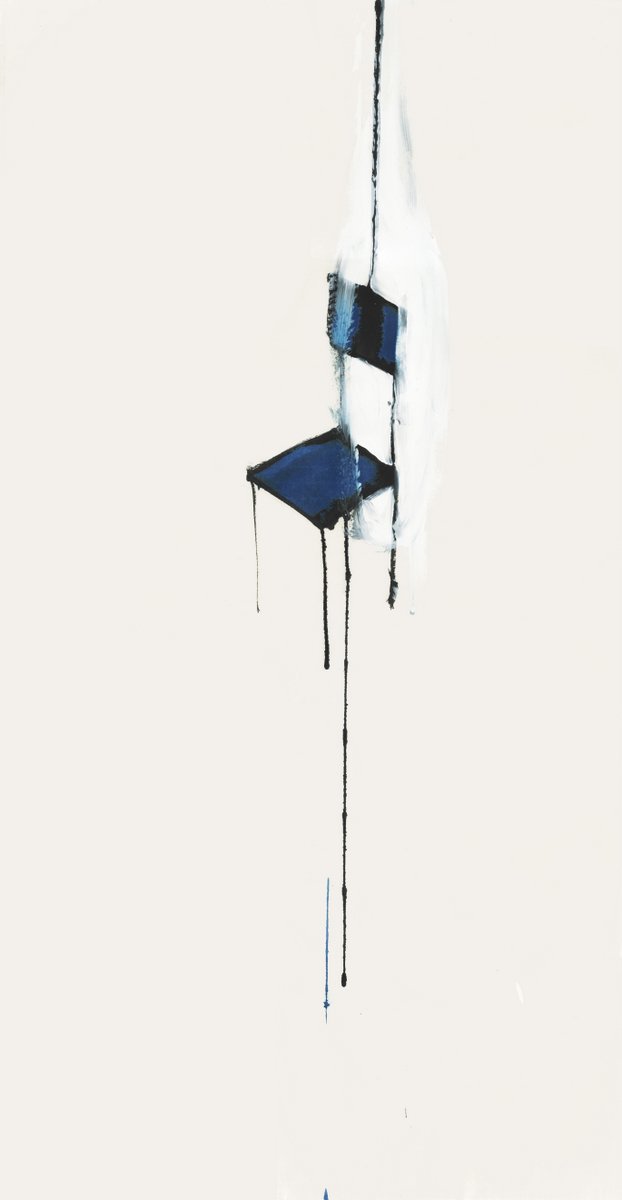
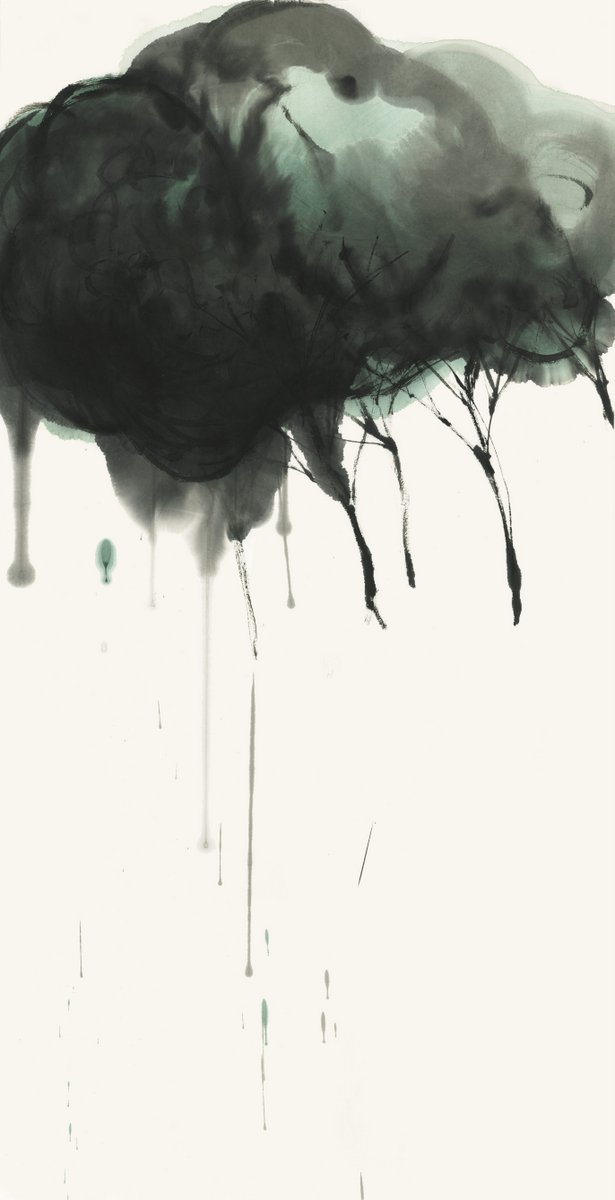
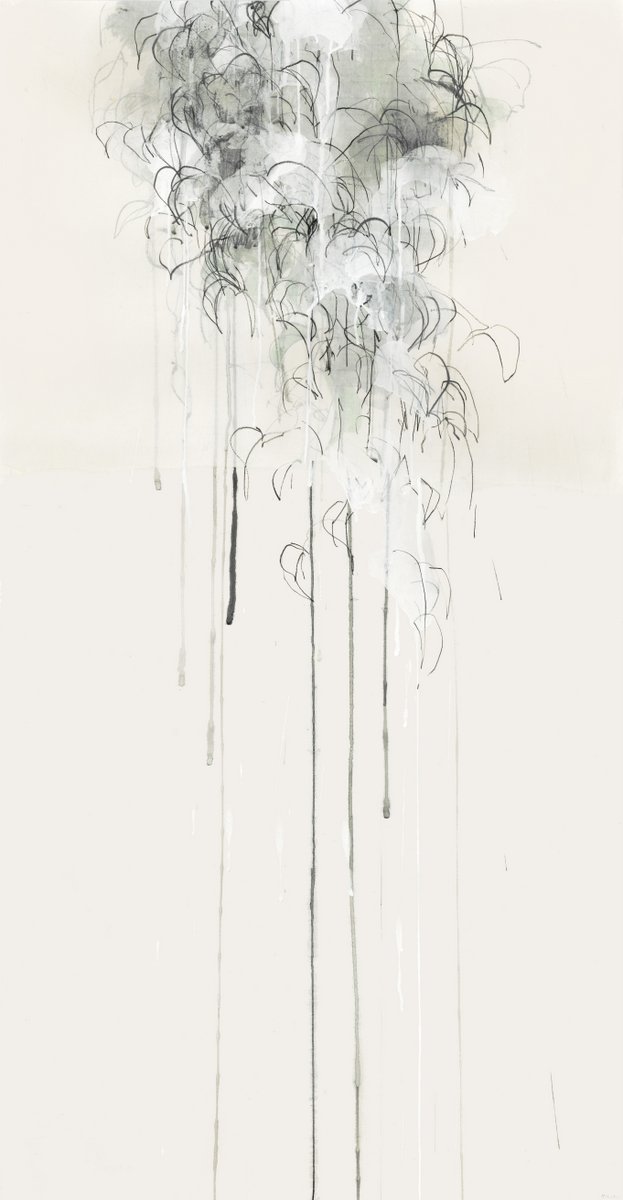
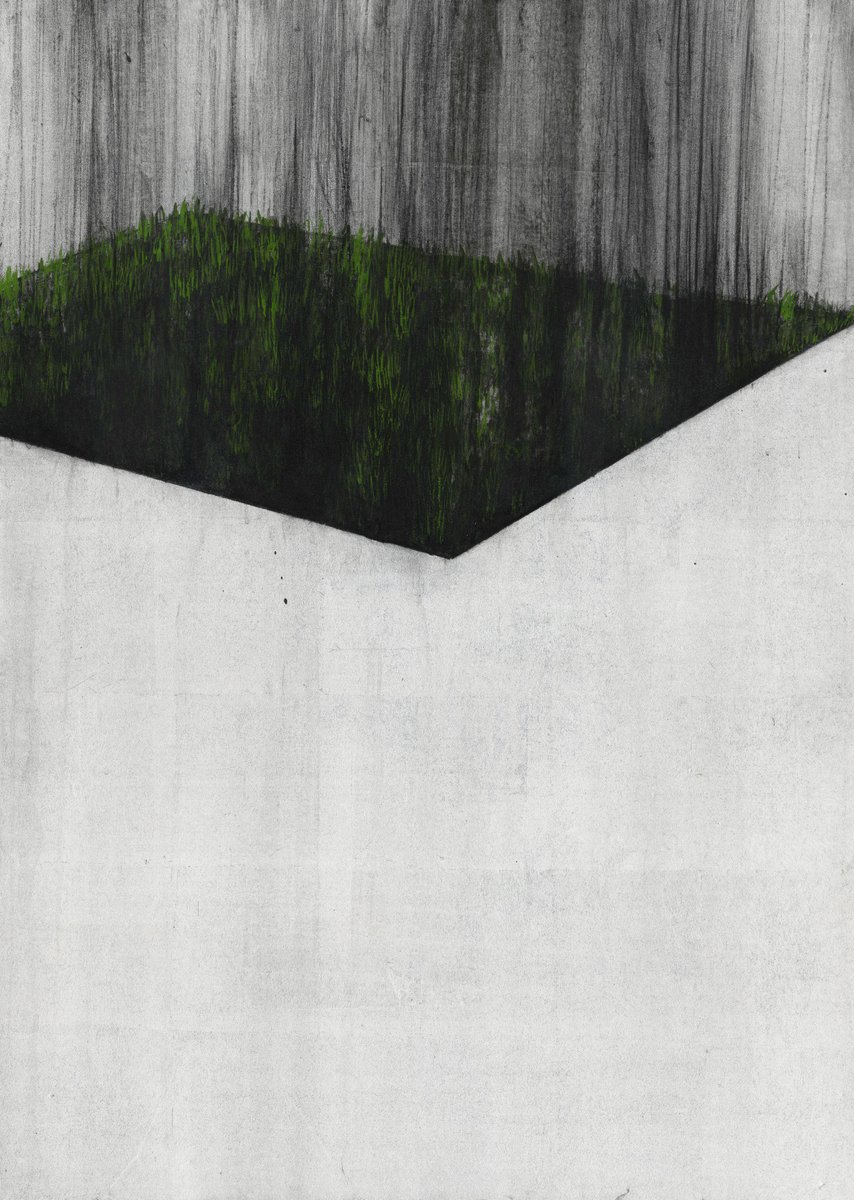
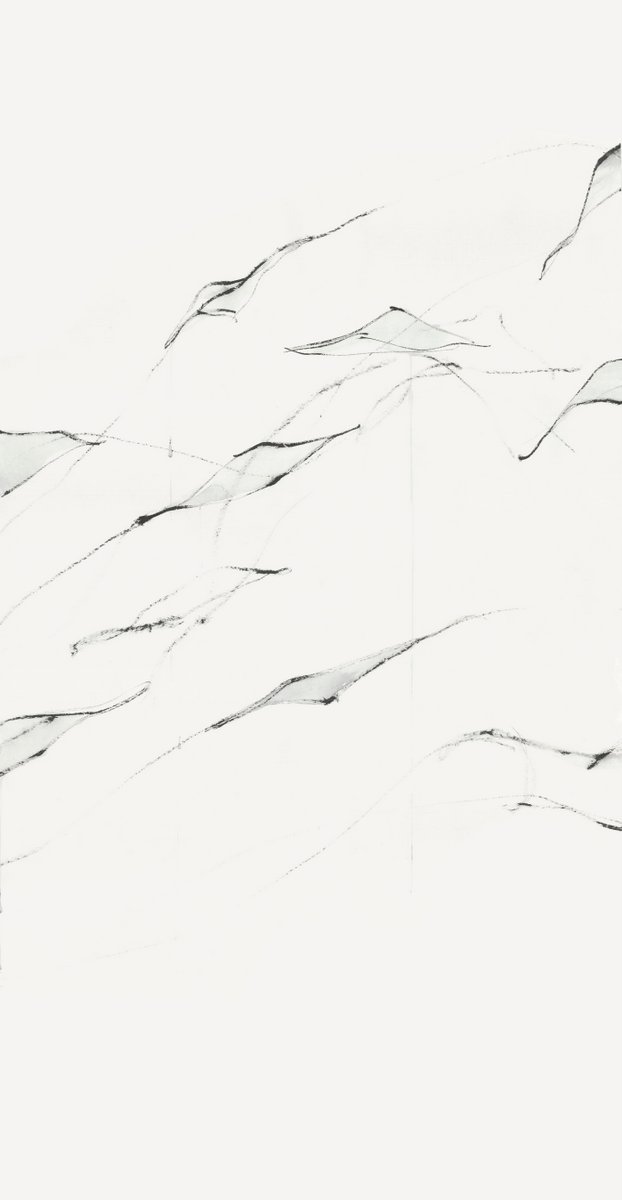
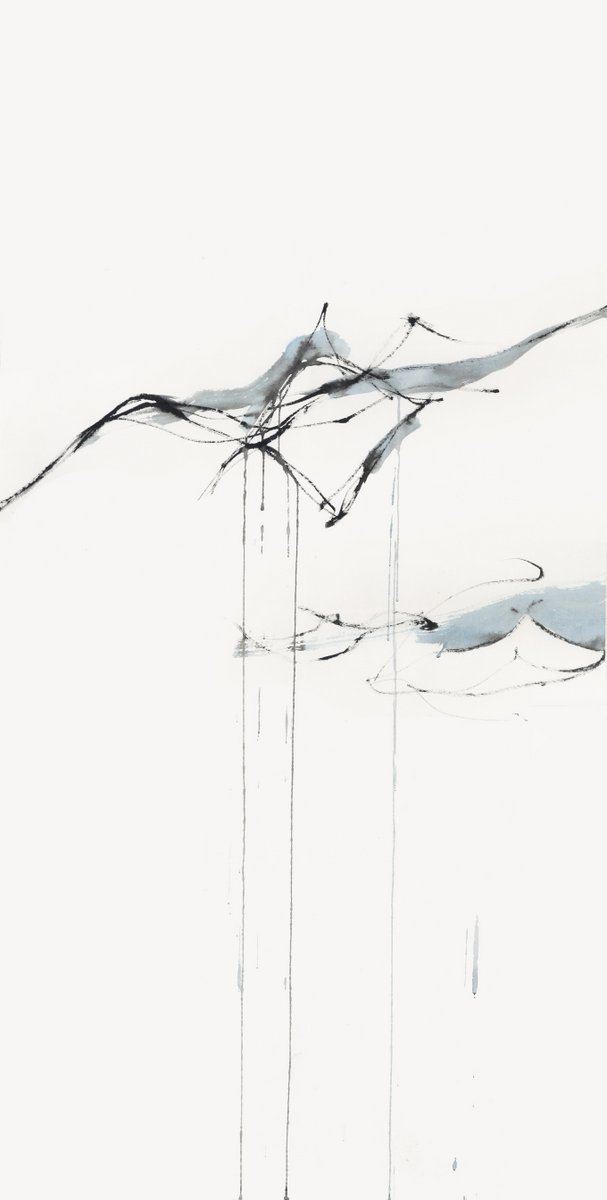
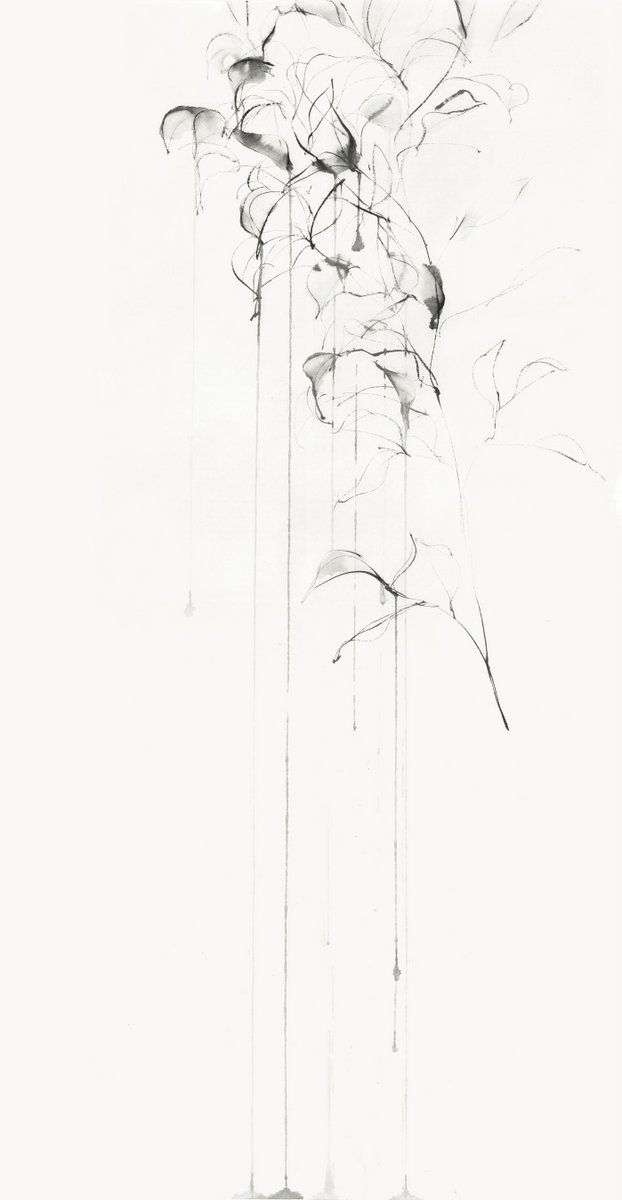
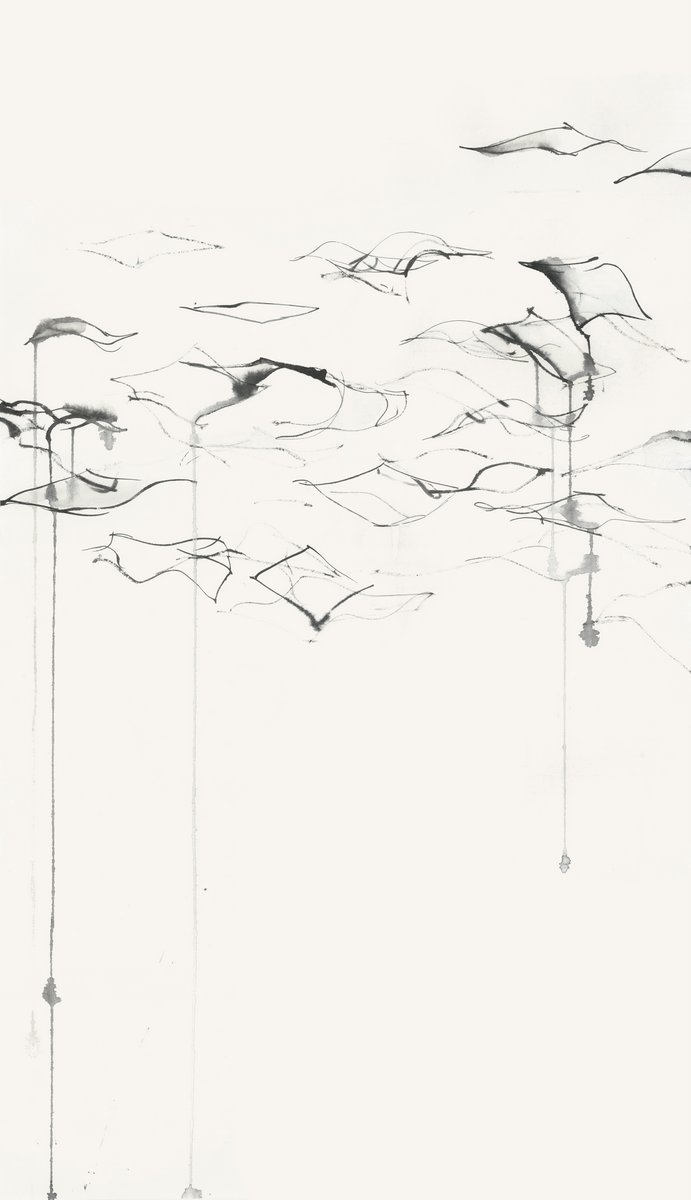
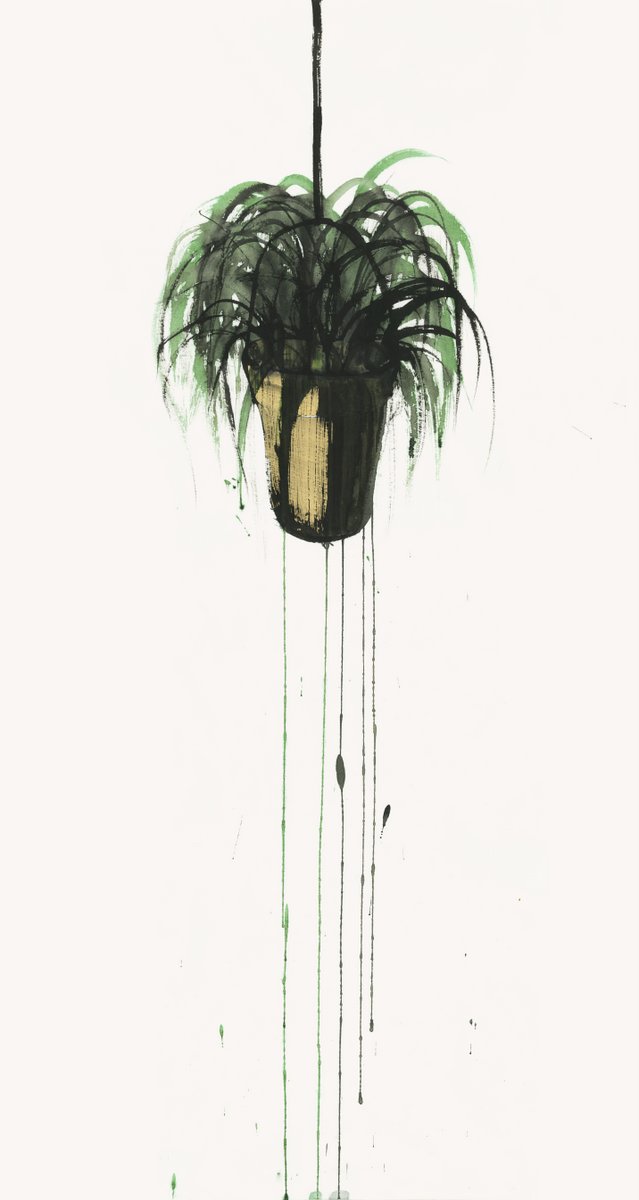
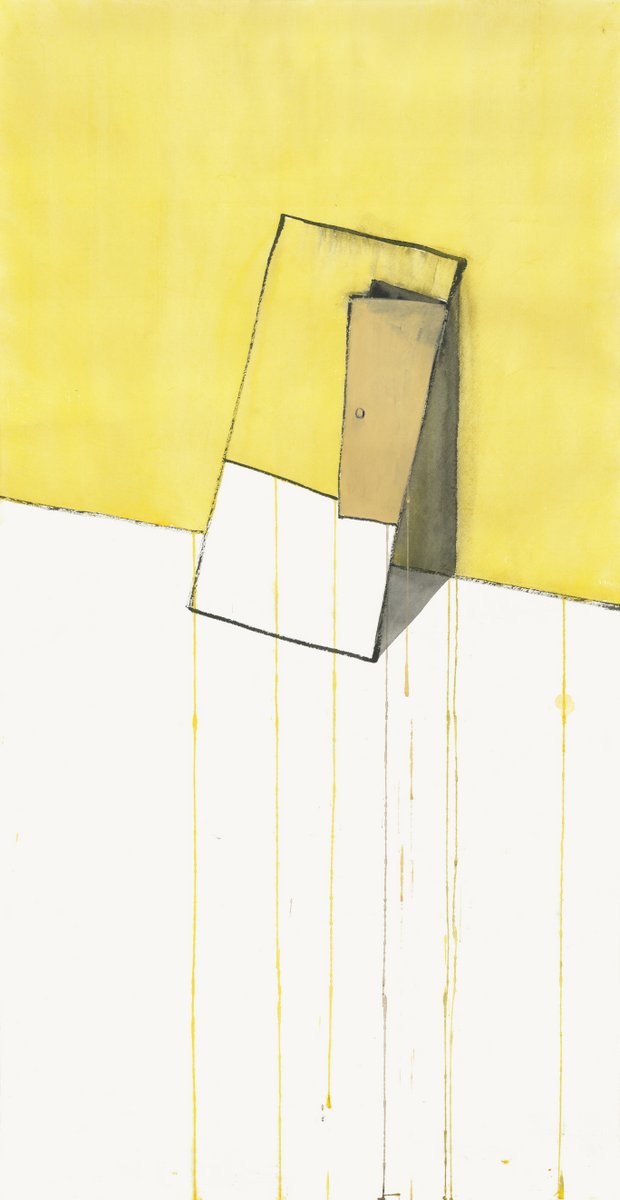
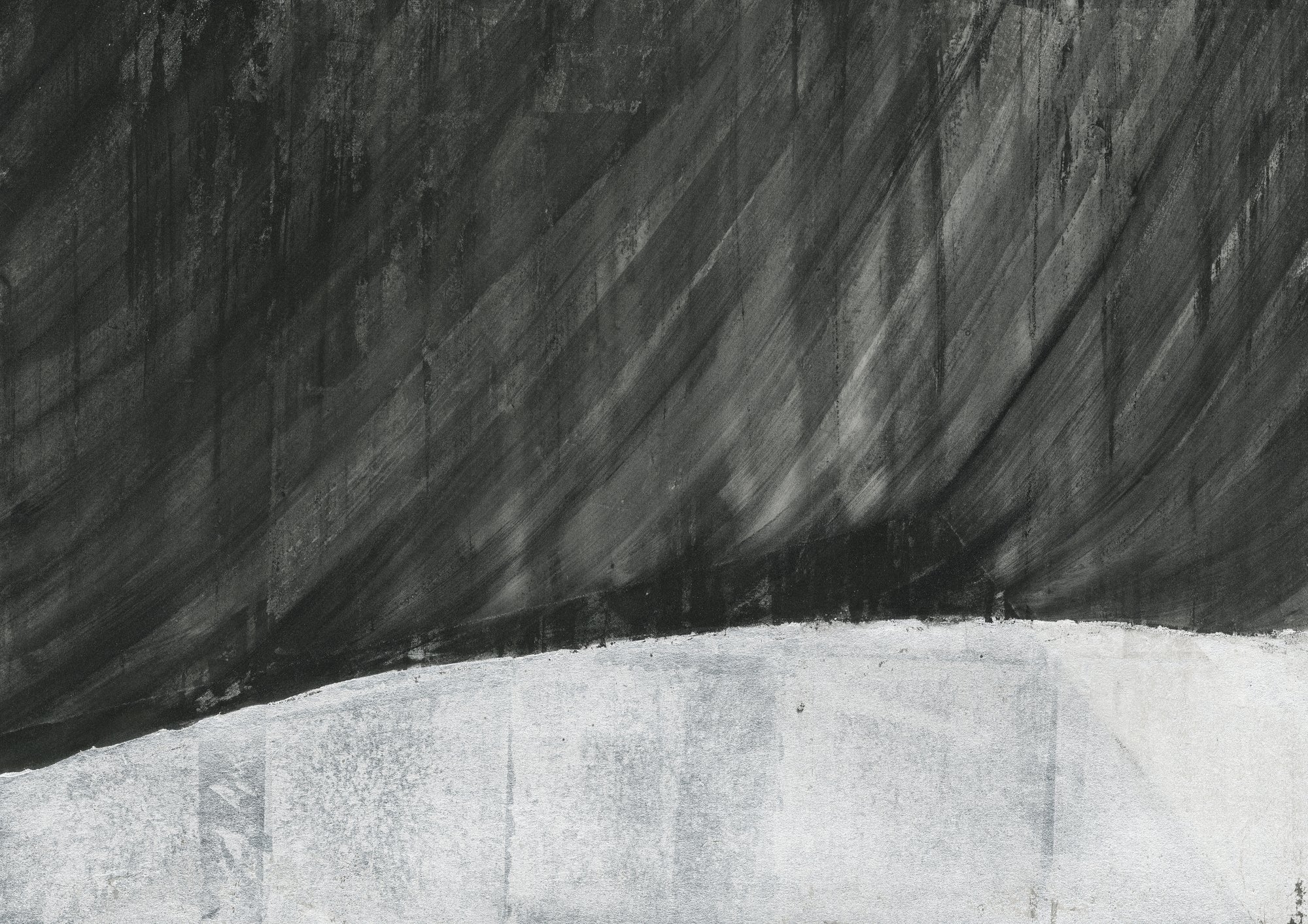
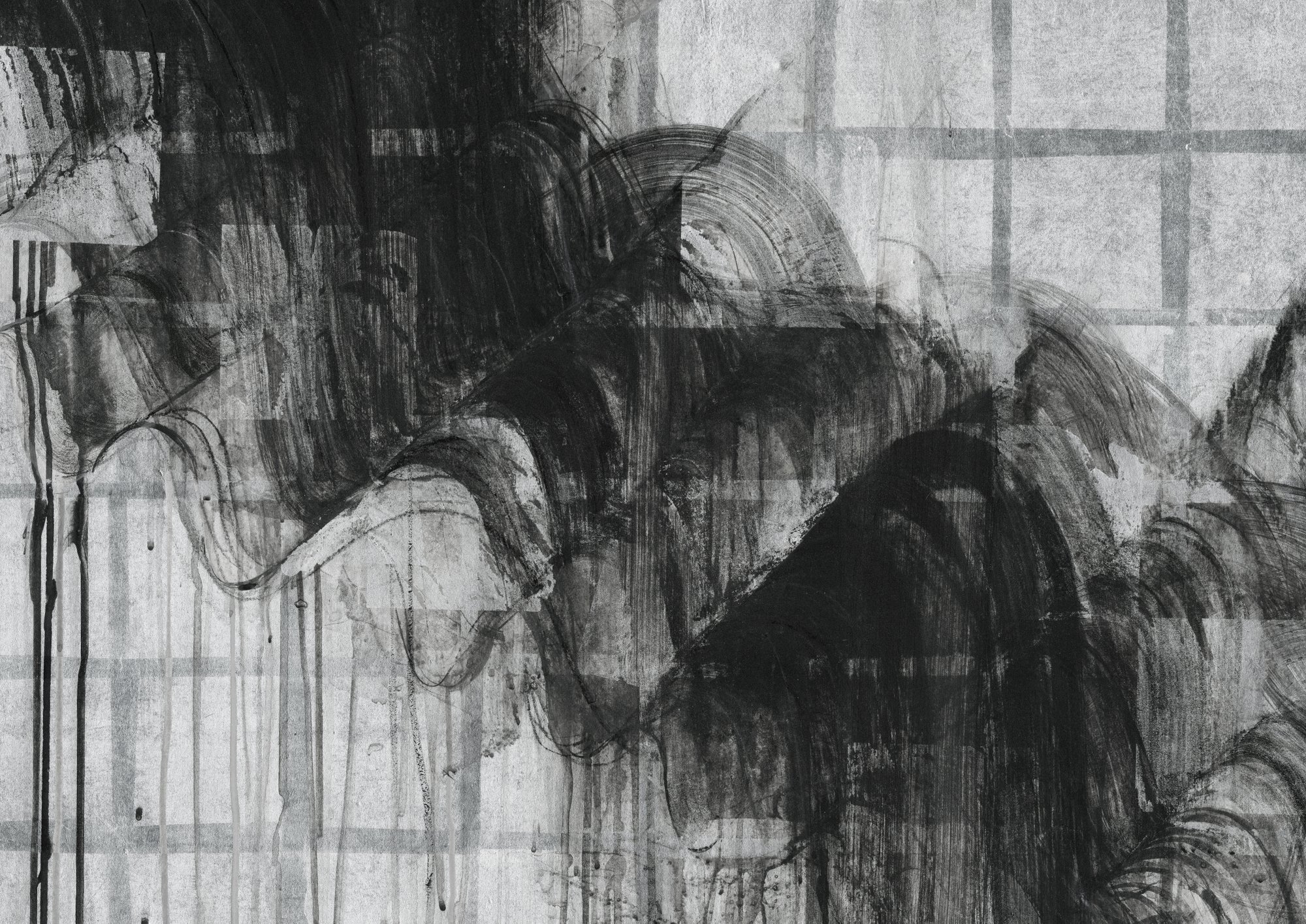
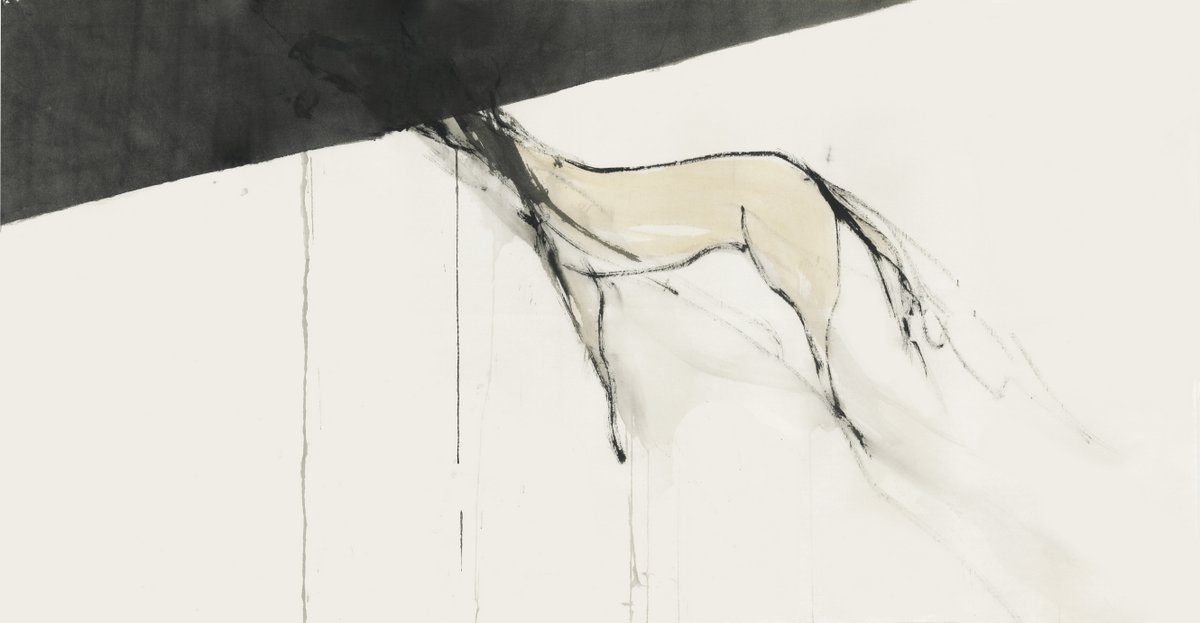
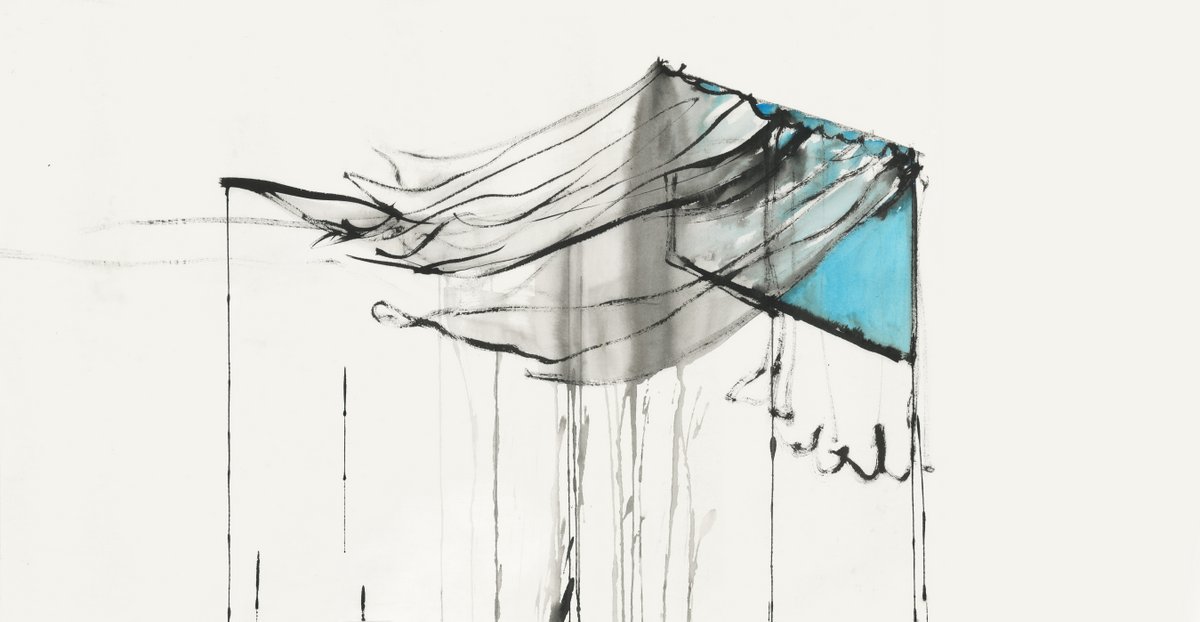
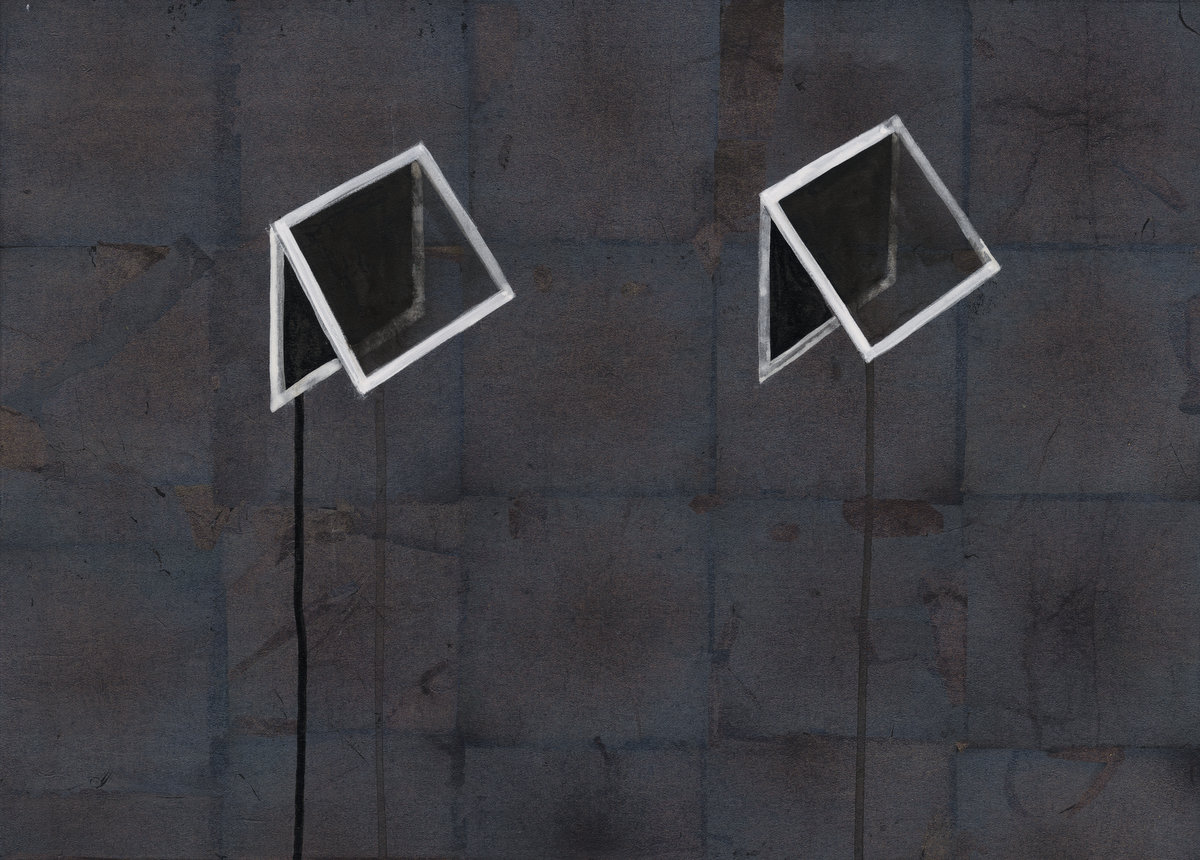
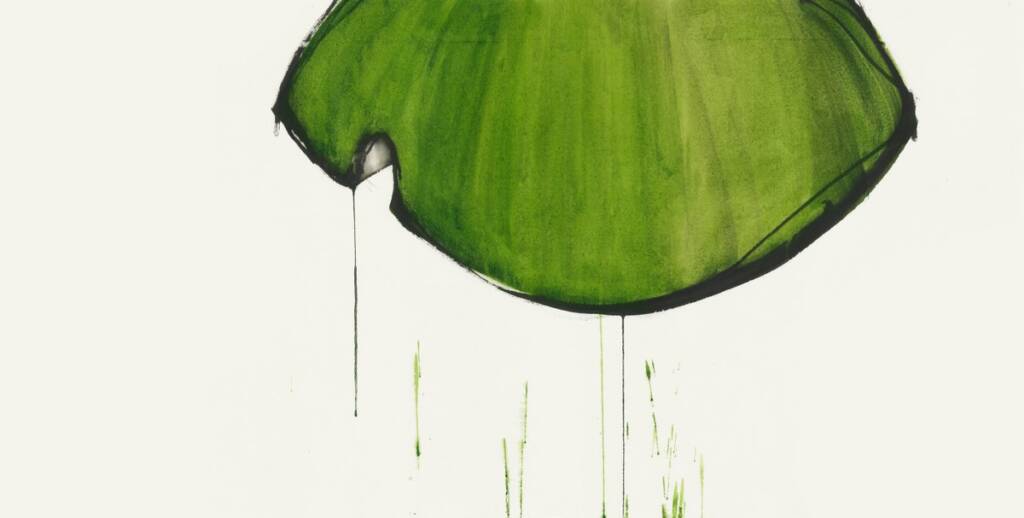
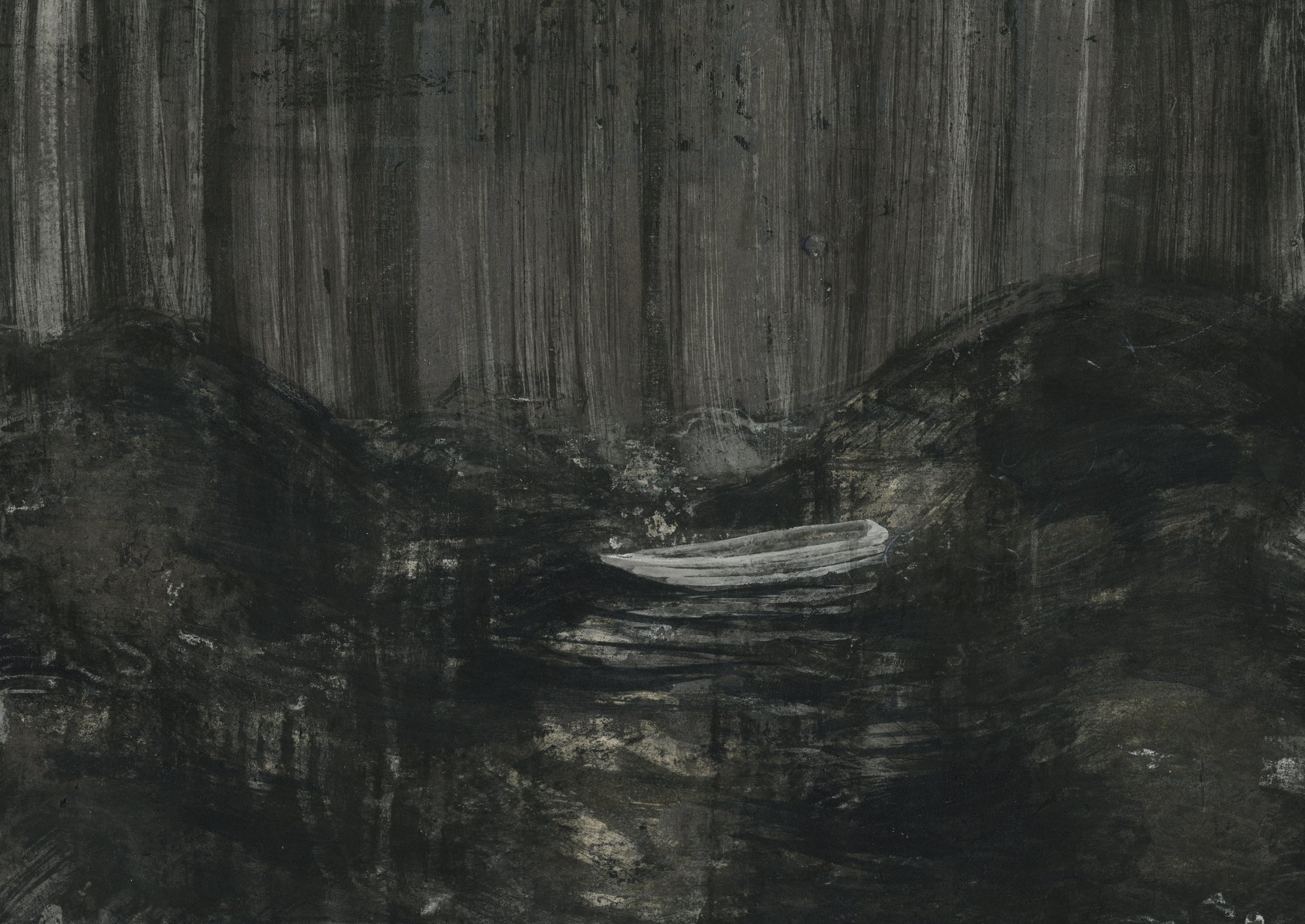
Ko Ushijima is a leading voice in Japanese contemporary abstraction, known for his meditative paintings that merge traditional materials with a minimalist aesthetic. Based in Kanazawa, Japan, Ushijima draws from centuries old techniques—including sumi ink, mineral pigments, and metallic leaf—and applies them in quietly radical ways. His visual language echoes the lineage of Nihonga painting while contributing to a global conversation around abstraction, surface, and silence.
At the same time, Ushijima’s visual language reflects the legacy of Nihonga painting. Yet it also contributes to a wider global conversation about abstraction, surface, and silence. In this way, his work bridges the past and present while remaining distinctly personal.
The artist himself describes his process as “learning from classic Japanese art and exploring the possibility as a modern expression.” This idea appears throughout his body of work. From early paintings created in the late 2000s to more recent series completed between 2018 and 2022, Ushijima consistently returns to the balance between mark making and empty space. Consequently, negative space becomes just as important as the brushstroke itself.
The Language of Ko Ushijima Japanese Abstraction
In Ko Ushijima’s Japanese contemporary abstraction, silence does not mean emptiness. Instead, it represents stillness and focus. Each painting develops slowly and with careful control. As sumi ink moves across the surface, it creates soft, organic forms that feel almost like breath.
Meanwhile, layers of brass or silver leaf appear beneath thin washes of pigment. Because of this layering, the surface shifts with light and movement. Subtle reflections emerge and fade depending on where the viewer stands. Therefore, Ushijima’s paintings reward patience and slow observation.
Over time, the works reveal more detail. Shapes appear gradually. Lines interact with open space. As a result, the composition begins to feel both calm and deeply expressive.
Although the style is minimal, the emotional presence remains strong. Lines move gently across the surface, while negative space creates room for reflection. In turn, viewers often experience a sense of quiet clarity.
Rather than overwhelming the eye, Ushijima’s paintings slow the viewer down. The works feel like conversations unfolding at a quiet pace. They remain abstract, yet they also communicate emotion and balance. Whether seen up close or from a distance, the paintings invite contemplation.
Where Modernism Meets Tradition
Ushijima’s role within Japanese contemporary abstraction becomes especially clear in how he blends tradition with modern thinking. On one hand, his materials come directly from historic Japanese painting methods. On the other hand, his compositions feel unmistakably contemporary.
Because of this balance, his work avoids nostalgia. Instead, it transforms traditional tools into modern visual language. The result feels quiet but powerful. Many viewers describe the paintings as architectural in their structure—carefully built yet emotionally open.
Furthermore, this approach allows Ushijima to explore abstraction without losing cultural depth. His works show how traditional practice can remain relevant in modern art. In fact, the relationship between heritage and innovation becomes one of the central ideas within his work.
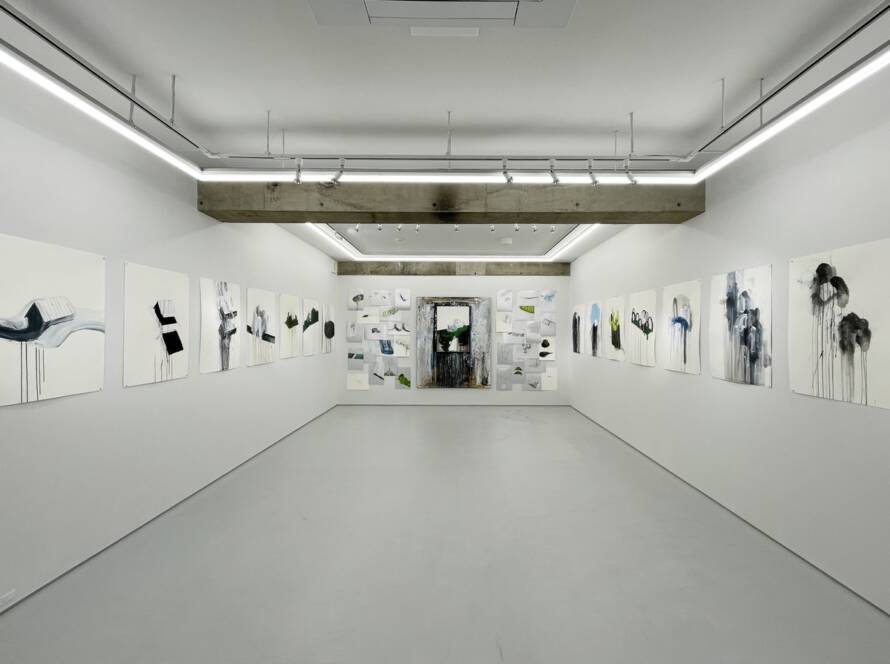
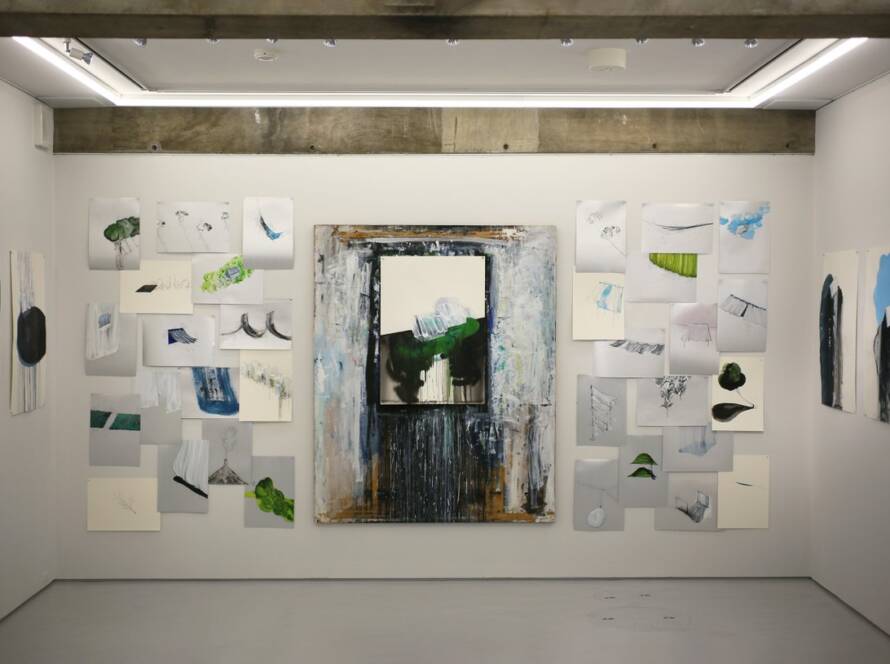
Today, Ushijima’s paintings appear in exhibitions and collections around the world. Collectors often seek his work because of its nuance, craftsmanship, and calm visual presence. At the same time, designers and curators appreciate how easily the paintings integrate into thoughtful interiors.
For those searching for art that offers both serenity and depth, Ko Ushijima Japanese abstraction provides a rare balance. His paintings combine cultural tradition with modern clarity. Ultimately, they invite viewers to slow down, observe carefully, and experience the quiet power of abstraction.
Project + Exhibitions
Works
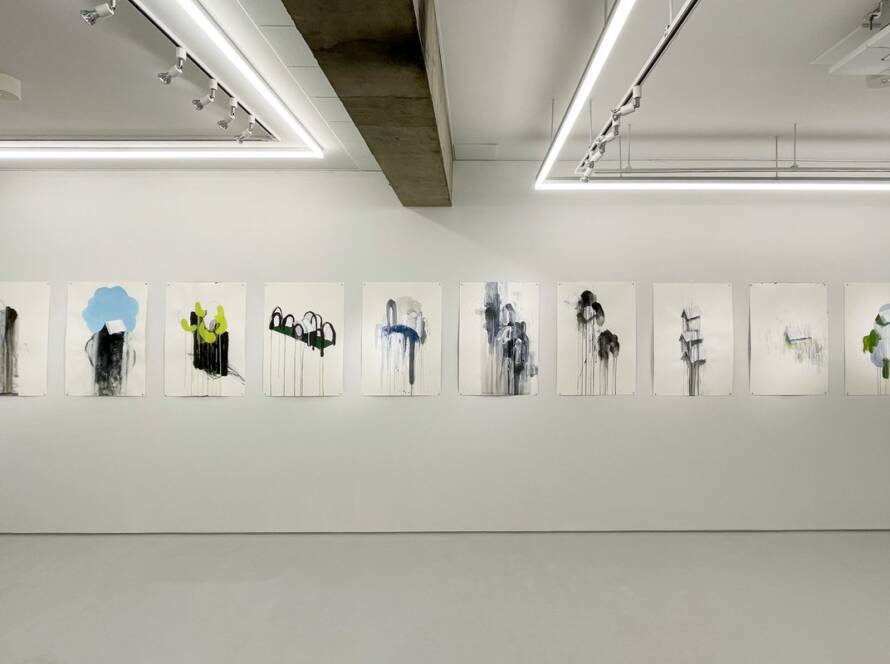
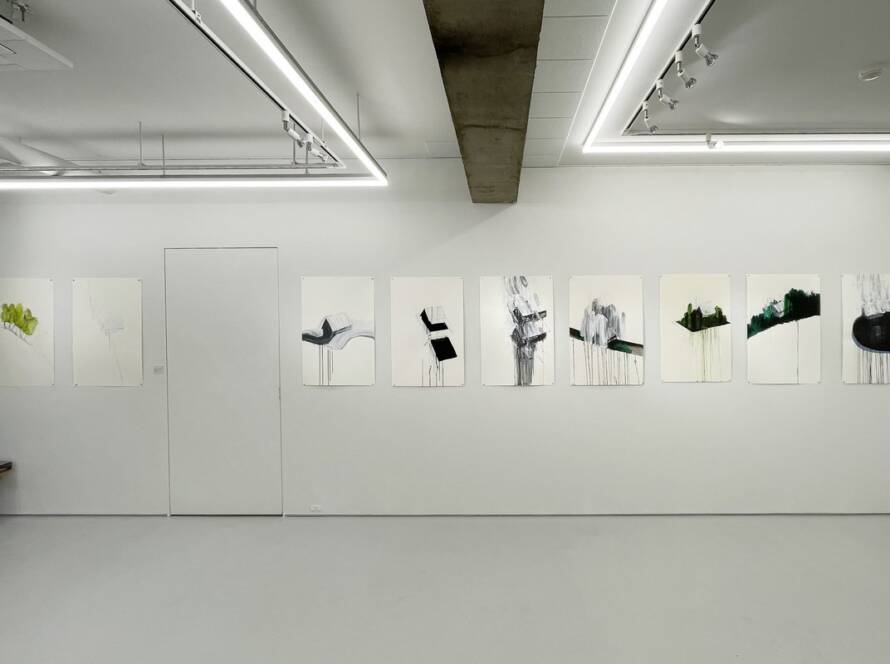
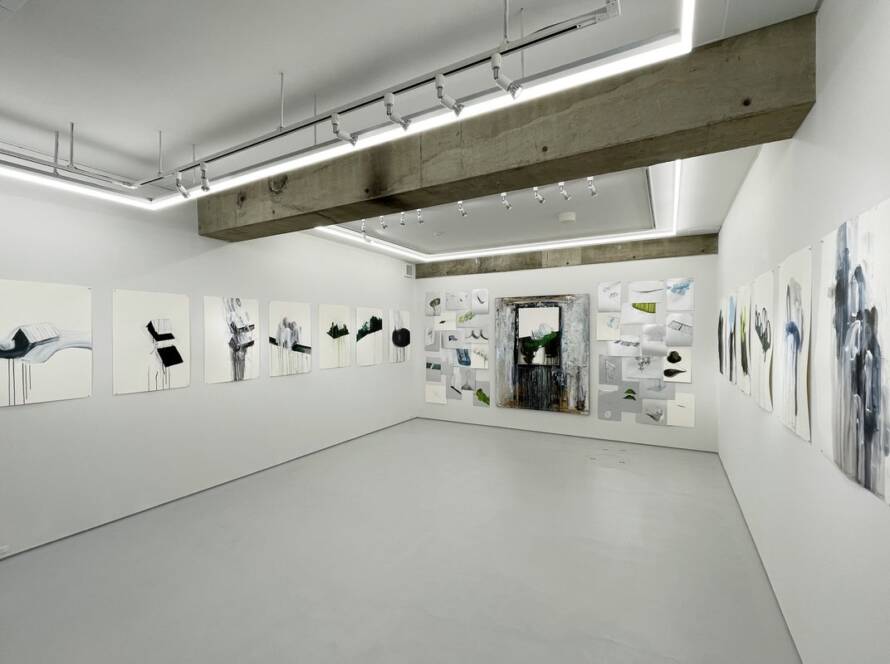
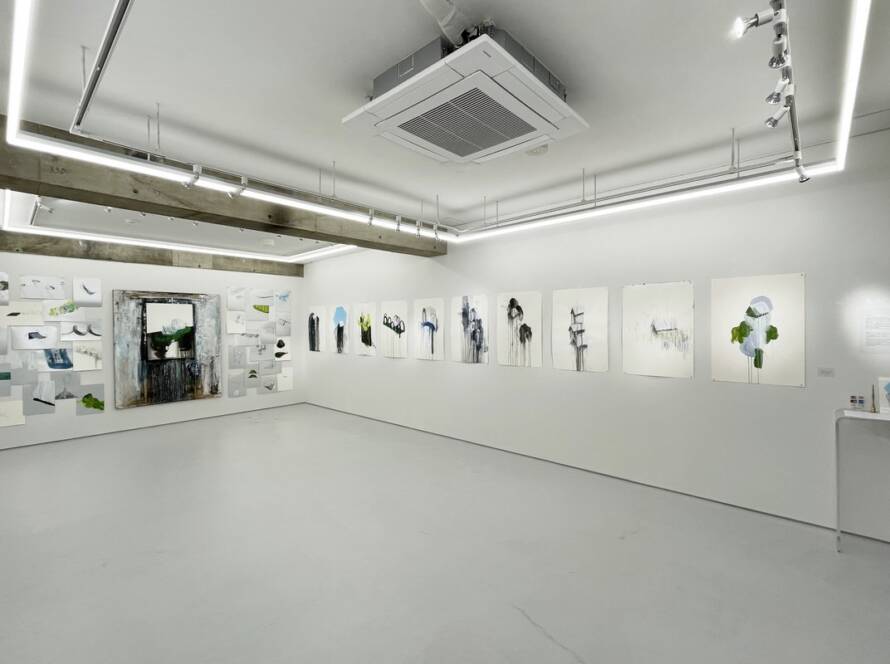
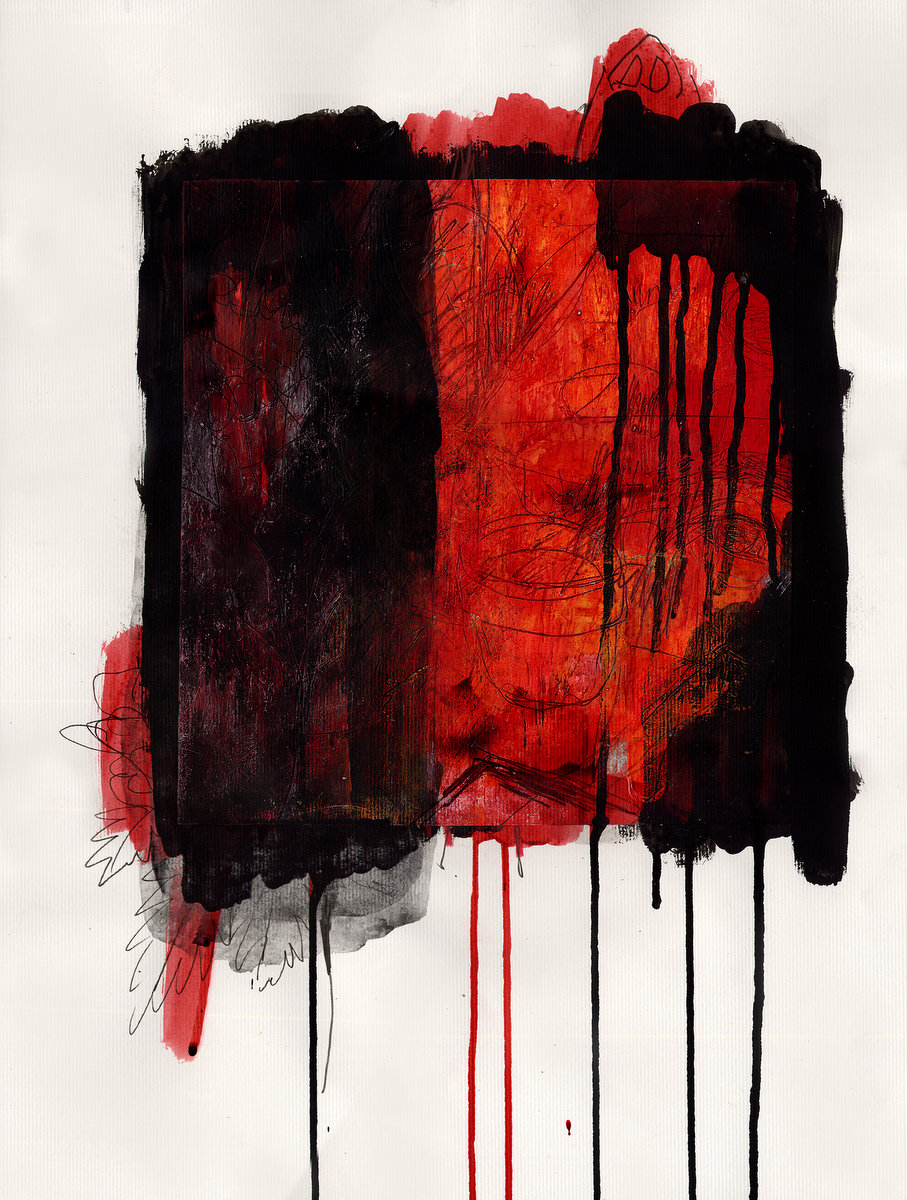
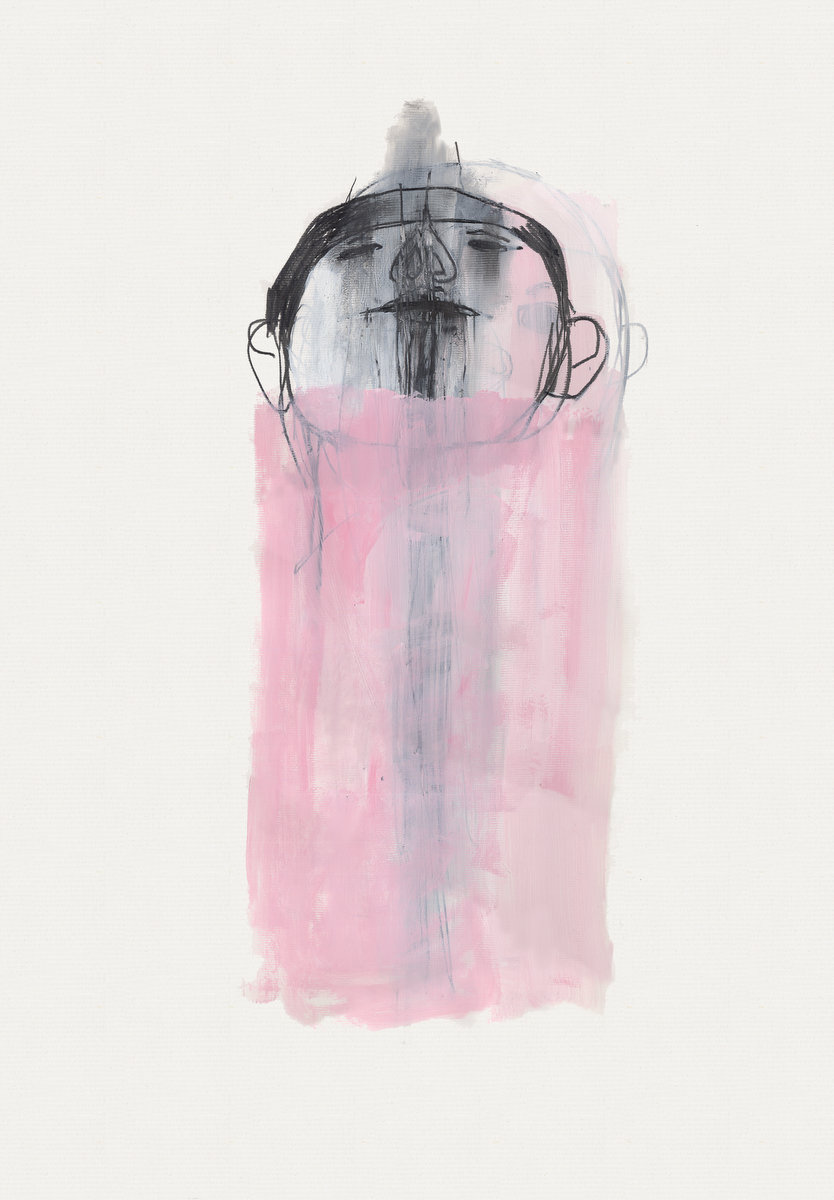
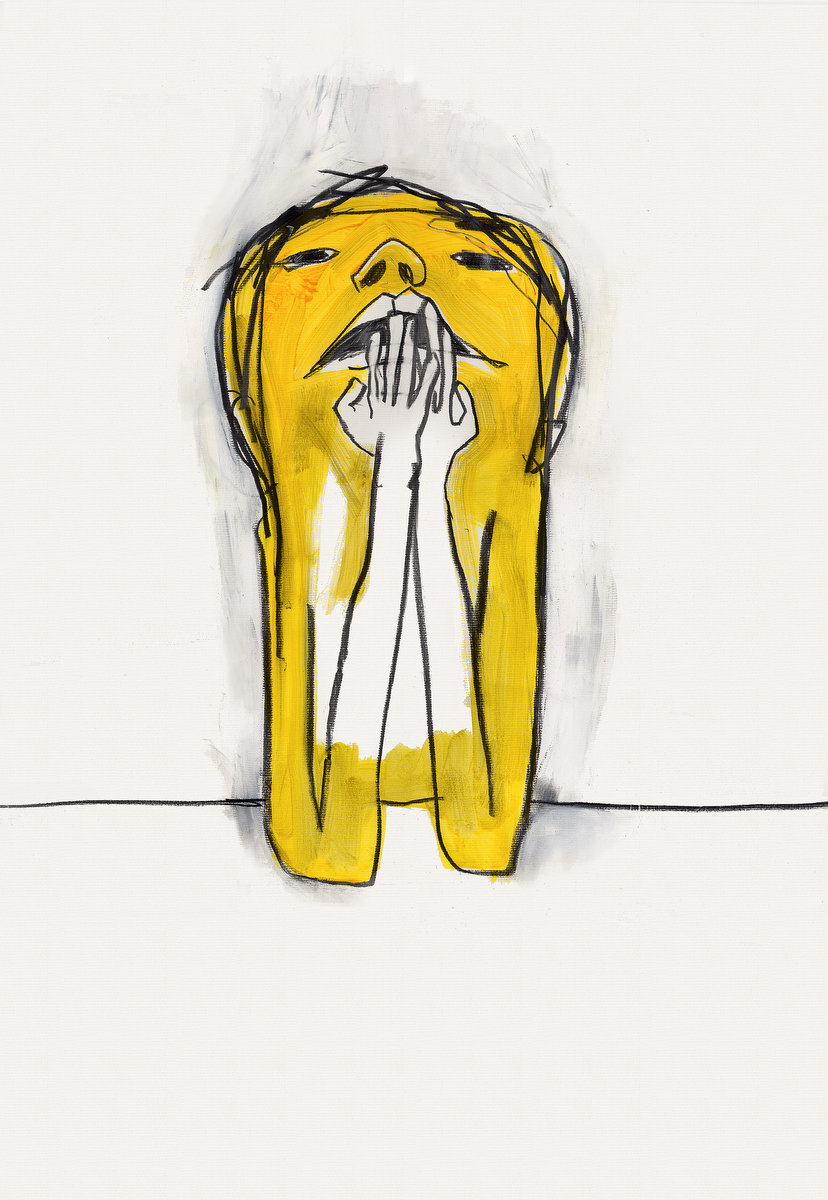
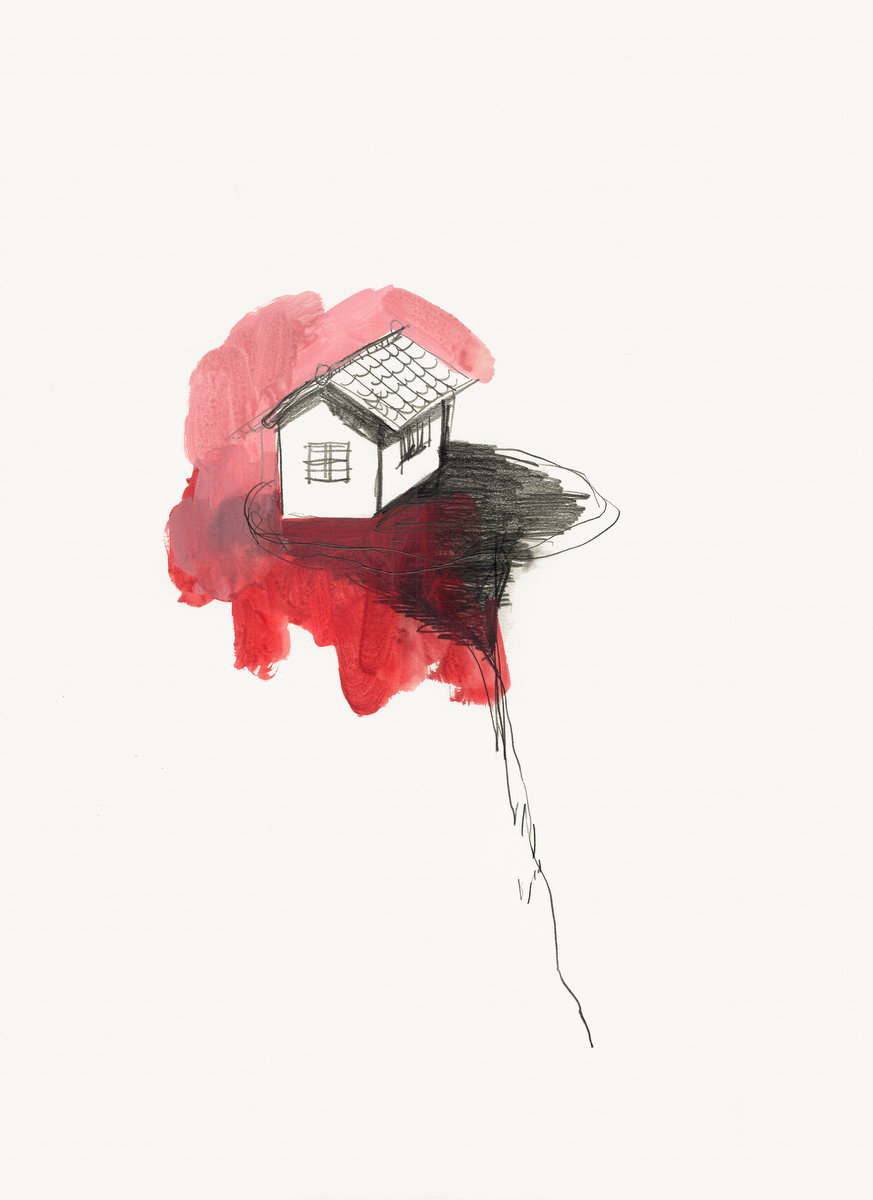
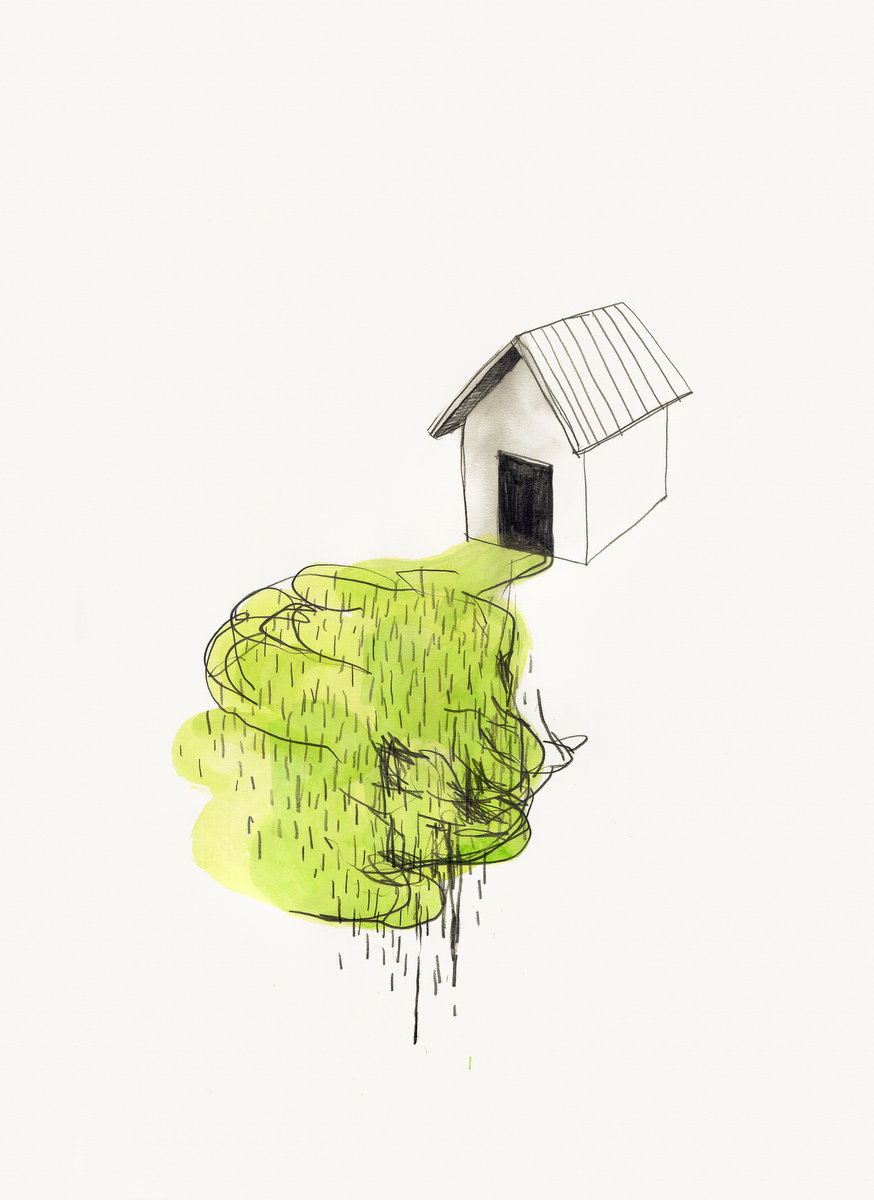
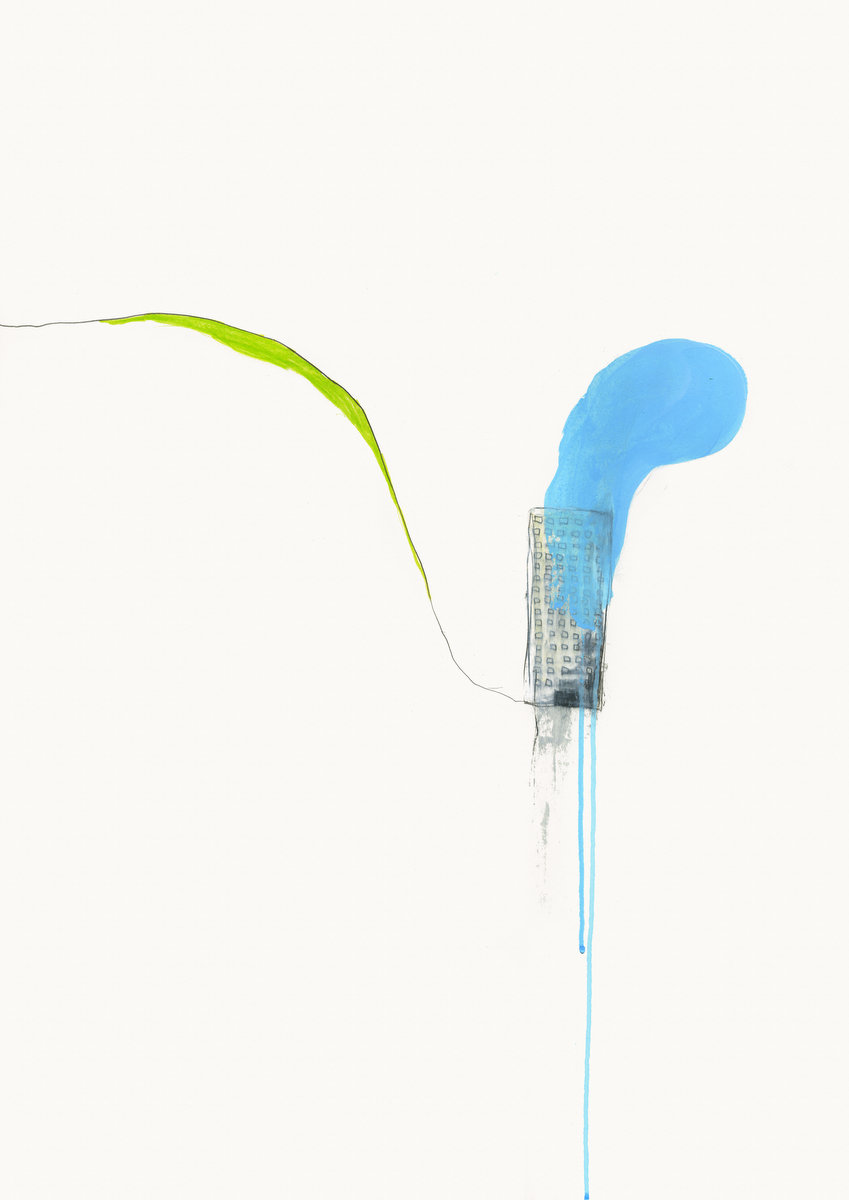
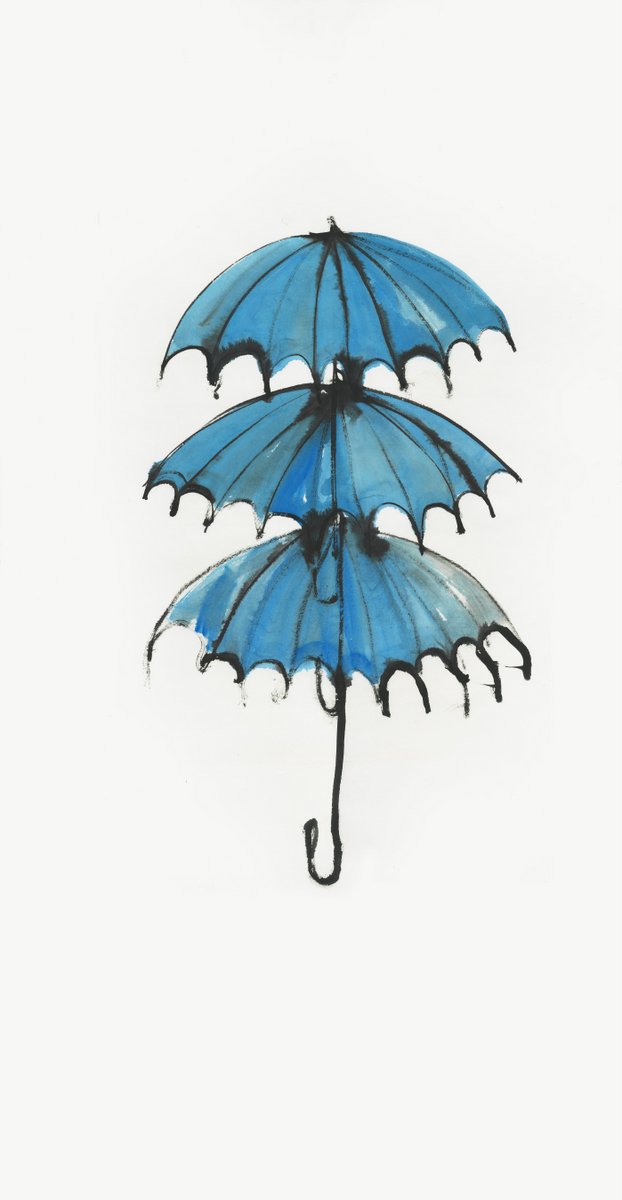
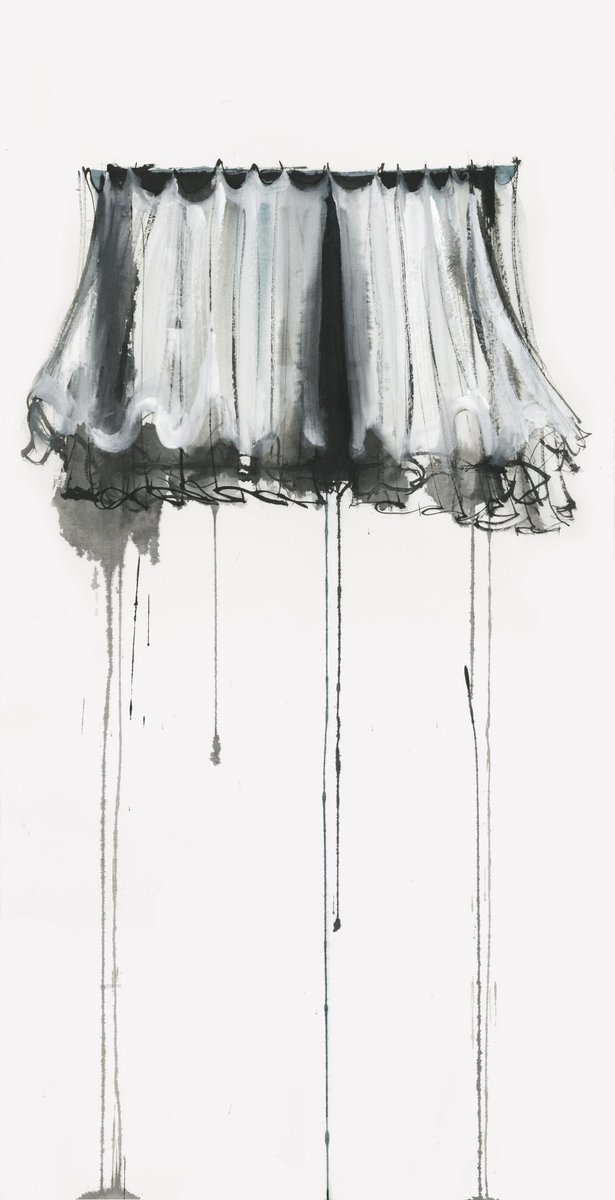
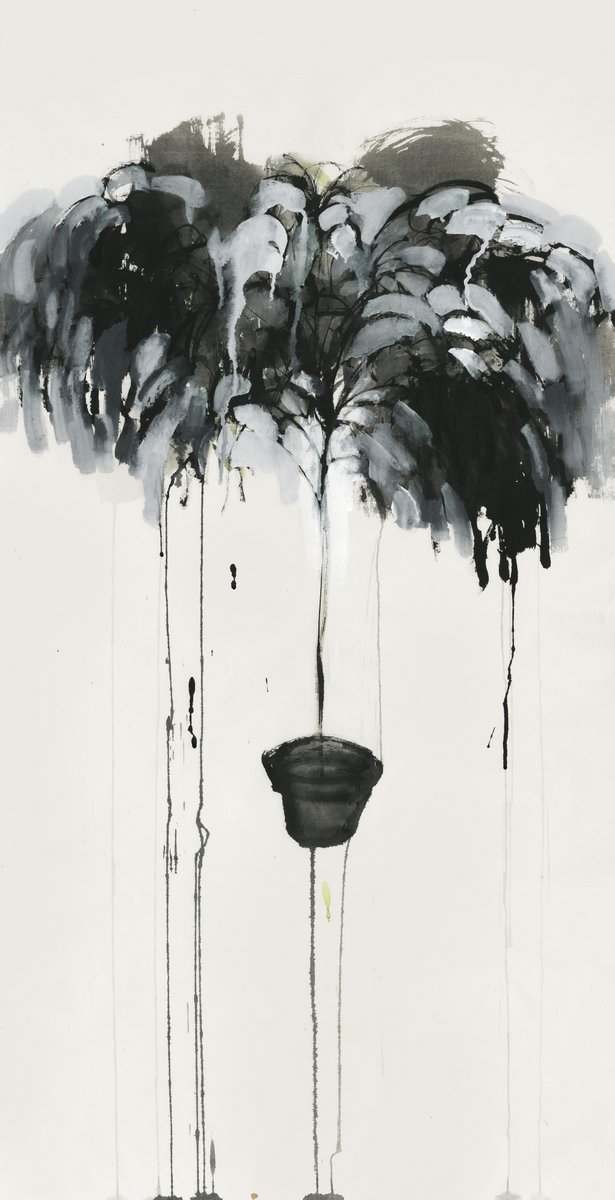
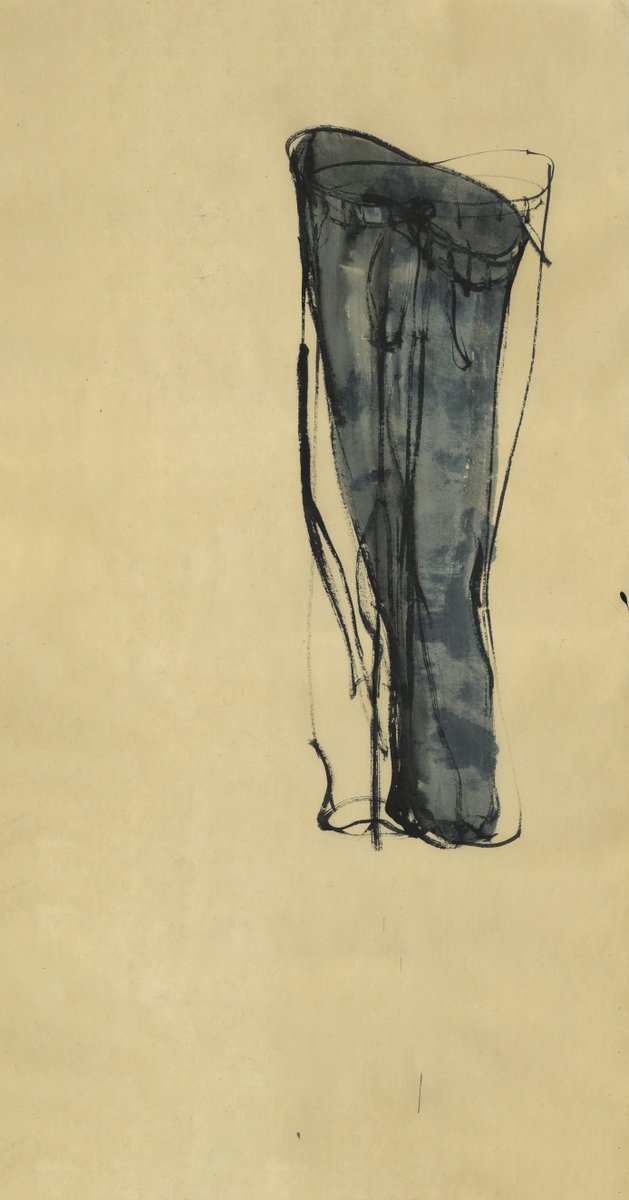
2202-1 2022 80x57cm Pencil, sumi ink, acrylic paint on paper.2306-2 2023 80 x 57 cm Pencil, sumi ink, acrylic paint on paper.2306-3 2023 80 x 57 cm Pencil, sumi ink, acrylic paint on paper.2306-5 2023 80 x 57 cm Pencil, sumi ink, mineral pigment, acrylic paint on paper.2306-6 2023 80 x 57 cm Pencil, sumi ink, acrylic paint on paper.200625-1 2020 80 x 57 cm Pencil, sumi ink, acrylic paint on paper.230610-1 2023 80 x 57 cm Pencil, colored pencil, acrylic paint on paper.230726-1 2023 80x57cm Pencil, acrylic paint, mineral pigment, sumi ink on paper.231110-1 2023 80 x 57 cm Pencil, sumi ink, acrylic paint, water color on paper.240123-1 2024 80 x 57 cm Pencil, oil paint, acrylic paint on paper.240126-1 2024 80 x 57 cm Pencil, mineral pigment, acrylic paint on paper.240305-1 2024 80x57cm Pencil, acrylic paint, mineral pigment, sumi ink on paper.240308-1 2024 80x57cm Pencil, acrylic paint, sumi ink on paper.240310-1 2024 80 x 57 cm Pencil, oil paint, acrylic paint, sumi ink on paper.180730-1 2018 136 x 96 cm Sumi ink, mineral and shell pigment, silver leaf on handmade paper on wood panel.180810-1 2018 60.0×42.4cm Sumi ink, mineral pigment, water color, silver leaf on handmade paper mounted on wood panel.181230-1 2018 84.8×60.0cm Sumi ink, mineral pigment, silver powder, silver leaf on handmade paper mounted on wood panel.190119-1 2019 136 x 96 cm Sumi ink, mineral pigment, water color, silver leaf on handmade paper mounted on wood panel.190610-1 2019 60.0×42.4cm Pencil, shell pigment, silver leaf on handmade paper mounted on wood panel.190620-1 2019 42.4×30.0cm Sumi ink, mineral pigment, silver leaf on handmade paper mounted on wood panel.200120-1 2020 60.0×42.4cm Sumi ink, mineral pigment, silver leaf on handmade paper mounted on wood panel.200220-1 2020 84.8 x 60.0 cm Sumi ink, mineral pigment, silver leaf on handmade paper mounted on wood panel.200320-1 2020 60.0×42.4cm Sumi ink, mineral pigment silver leaf on handmade paper mounted on wood panel.200810-1 2020 84.8×60.0cm Sumi ink, mineral pigment,shell pigment, water color, silver leaf on handmade paper.210505-1 2021 84.8×30.0cm Sumi ink, mineral pigment, silver leaf on handmade paper mounted on wood panel.210510-1 2021 42.4×30.0cm Sumi ink, mineral pigment, pencil, silver leaf on handmade paper on wood panel.211225-1 2021 60.0×42.4cm sumi ink, mineral pigment, shell pigment, silver leaf on handmade paper on wood panel.220705-1 2022 42.4×30.0cm Sumi ink, shell pigment, pencil, mineral pigment, silver leaf on handmade paper mounted on wood panel.220705-2 2022 42.4×30.0cm Sumi ink, pencil, mineral pigment, silver leaf on handmade paper mounted on wood panel.220710-1 2022 42.4×30.0cm Sumi ink, shell pigment, pencil, mineral pigment, silver leaf on handmade paper mounted on wood panel.220911-1 2022 60.0×42.4cm Pencil, sumi ink, mineral pigment, silver leaf on handmade paper mounted on wood panel.230430-1 2023 84.8×30.0cm Mineral pigment, sumi ink, silver leaf on handmade paper mounted on wood panel.230601-1 2023 60.0×42.4cm Pencil, sumi ink, mineral pigment, silver leaf on handmade paper mounted on wood panel.1408-3 2014 136 x 70 cm Sumi ink on handmade paper.1408-4 2014 136 x 71 cm Sumi ink on handmade paper.1807-1 2018 137x71cm Sumi ink, shell pigment on handmade paper.1809-1 2018 136x70cm sumi ink, water color on handmade paper.1810-7 2018 137x71cm sumi ink, water color on handmade paper.1810-8 2018 136 x 70 cm sumi ink, water color on handmade paper.1810-9 2018 136 x 70 cm sumi ink, water color on handmade paper.1810-10 2018 136 x 70 cm sumi ink on handmade paper.1905-1 2019 137 x 70 cm sumi ink, water color on handmade paper.1905-2 2019 136 x 70 cm sumi ink, water color on handmade paper.1907-2 2019 136 x 70 cm Sumi ink on handmade paper.1910-9 2019 136 x 70 cm sumi ink, water color on handmade paper.1911-1 2019 137x70cm sumi ink, water color on handmade paper.1912-1 2019 137x71cm sumi ink, water color on handmade paper.1912-7 2019 136 x 70 cm sumi ink, shell pigment on handmade paper.2001-9 2020 136 x 70 cm Sumi ink on handmade paper.020708-4 58. 4 x 45. 7 cm, Graphite, sumi ink and watercolor on paper. 020918-3 2002 79.0 x 55.0 cm Pencil, oil pastel, acrylic paint on paper.021201-5 2002 79.0 x 54.5 cm Pencil, oil pastel, acrylic paint on paper.041114-2 2004 547x394mm pencil, acrylic paints on paper.050113-4 2005 547x394mm pencil, water color on paper.050821-5 2005 547x394mm Pencil and acrylic paints on paper.061229-4 2006 802 x 568mm Pencil, oil pastel, colored pencil, water color on paper.070116-1 2007 802x568mm Pencil, water color and acrylic paint on paper.070308- 2 2007 794x560mm pencil, acrylic paint, sumi ink on paper.071218- 1 45.7 x 65.8 cm, Pencil, sumi ink, shell pigment and aluminum leaf on handmade paper.071222- 1 2007 65.9×45.8cm Pencil, sumi ink, shell pigment, colored pencil, silver leaf on handmade paper.080910- 1 2008 60.0 x 42.4 cm pencil, sumi ink, mineral and shell pigment, silver leaf on handmade paper.081202- 1 2008 60.0 x 42.4 cm Pencil, sumi ink, mineral pigment,shell pigment, silver leaf on handmade paper.090112- 1 2009 60.0 x 42.4 cm Sumi ink, mineral pigment, silver leaf on handmade paper mounted on wood panel. 090123-1 2009 60.0X42.4cm pencil, sumi ink, mineral pigment,shell pigment, silver leaf on handmade paper mounted on wood panel.090325-1 60.0 x 42.4 cm Pencil, sumi ink, mineral pigment,shell pigment, silver leaf on handmade paper mounted on wood panel.p110203-1 2011 60.0X42.4cm pencil, sumi ink, mineral pigment,shell pigment, silver leaf on handmade paper mounted on wood panel.110828- 1 2011 60.0X42.4cm sumi ink, mineral and shell pigment, silver leaf on handmade paper120220- 2 2012 96.5x71cm Sumi ink, water color on handmade paper.120709- 1 2012 137 x 70 cm Sumi ink, water color on handmade paper.140124- 6 2014 137x71cm sumi ink, water color on handmade paper.140126- 3 2014 137x71cm sumi ink, water color on handmade paper.140731- 1 2014 137x71cm sumi ink, water color on handmade paper.140902- 1 2014 137x71cm sumi ink, water color on handmade paper.150110- 1 2015 137x71cm sumi ink, water color, shell pigment on handmade paper.150201- 1 2015 137x71cm sumi ink, shell pigment, water color on handmade paper.180831- 2 2018 135 x 71 cm Sumi ink, water color on handmade paper.150910- 1 2015 136 x 70 cm sumi ink, water color on handmade paper.151210-1 2015 136 x 70 cm sumi ink, water color on handmade paper.151227- 2 2015 136 x 70 cm Sumi ink, water color, pencil, shell pigment on handmade paper.61125- 1 2016 84.8×60.0cm Pencil, sumi ink, mineral and shell pigment, silver leaf on handmade paper.211227- 1 2021 136 x 70 cm Sumi ink and water color on handmade paper.211227-2 2021 137 x 70 cm Sumi ink, water color on handmade paper.211228-1 2021 136 x 70 cm Sumi ink on handmade paper.211228-2 2021 137x71cm Sumi ink on handmade paper.231025- 1 2023 136 x 70 cm Sumi ink, water color on handmade paper.231026- 1 2023 136 x 70 cm Sumi ink, water color on handmade paper.190705- 1 2019 42.4×60.0cm Sumi ink, mineral pigment, silver leaf on handmade paper mounted on wood panel.210430- 1 2021 60.0 x 84.8 cm Charcoal, sumi ink, mineral pigment, shell pigment, silver leaf on handmade paper mounted on wood panel.1408- 1 2014 71x137cm Sumi ink, water color on handmade paper.1408- 2 2014 71x137cm Sumi ink, water color on handmade paper.140512- 1 2014 42.4X60.0cm Sumi ink, shell pigment, silver leaf on handmade paper mounted on wood panel.120306- 1 2012 71 x 137 cm Sumi ink, water color on handmade paper.220501- 1 2022 42.4×60.0cm Pencil, sumi ink, mineral pigment, shell pigment, silver leaf on handmade paper mounted on wood panel.
We value introductions from our real estate partners as lifelong connections. You'll benefit from our unique referral structure, earning commissions for the lifetime of your clients with AXIOM. Discover how we can elevate your real estate business and create enduring value.