
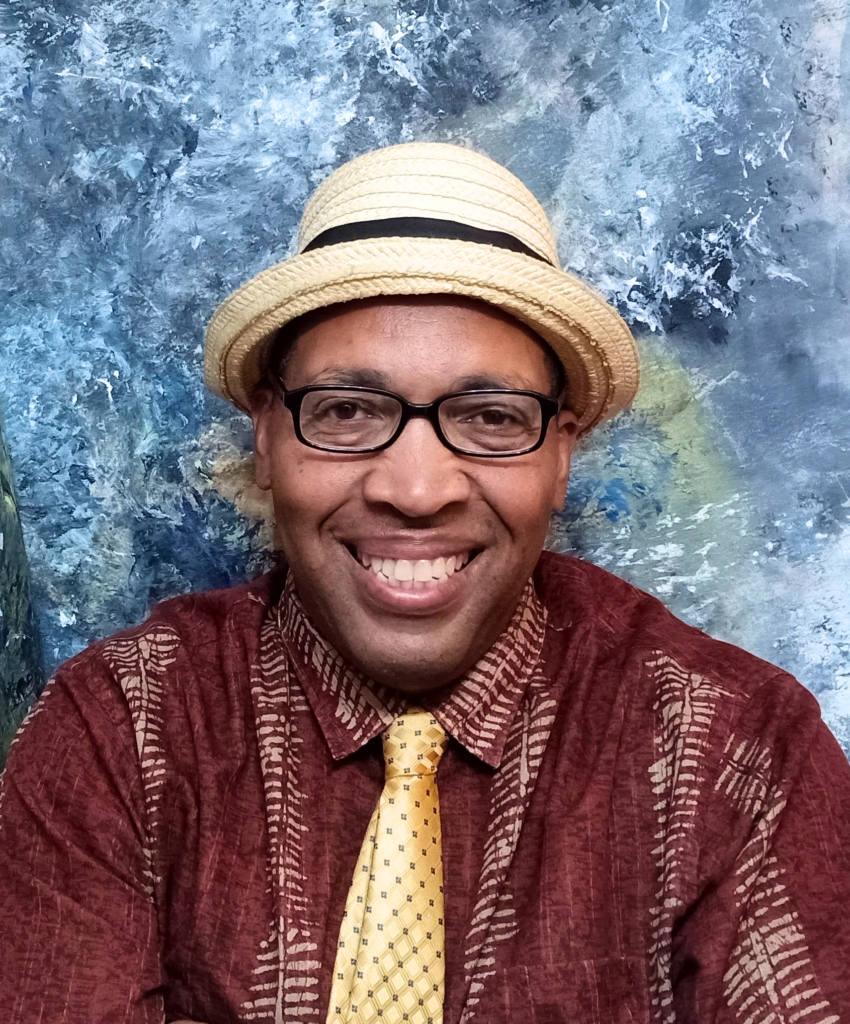
Abstract Expression Without Boundaries
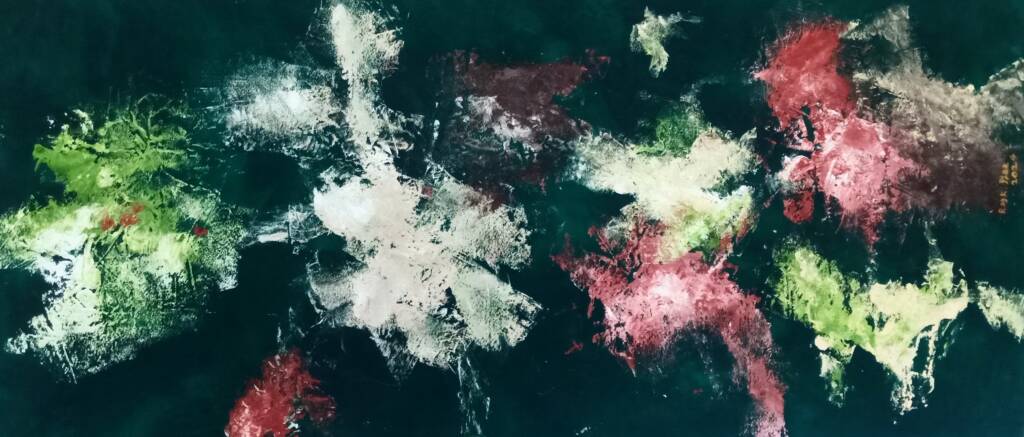
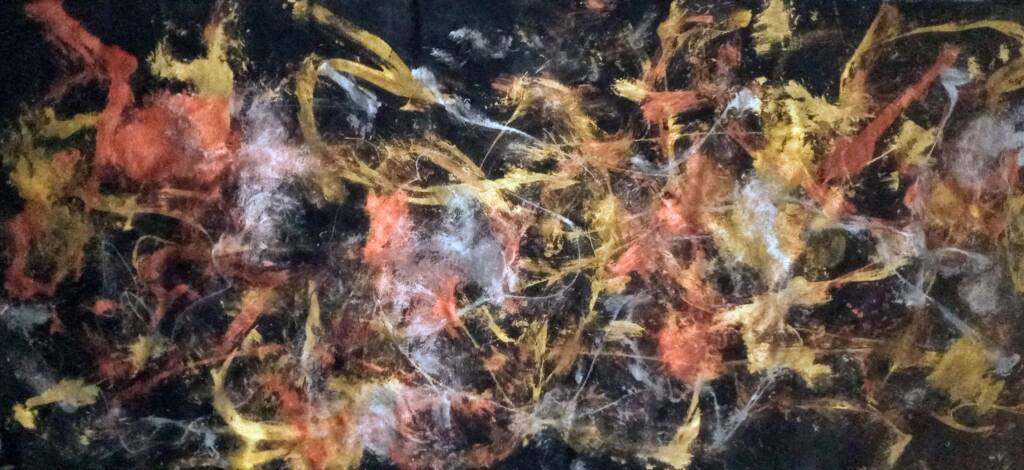
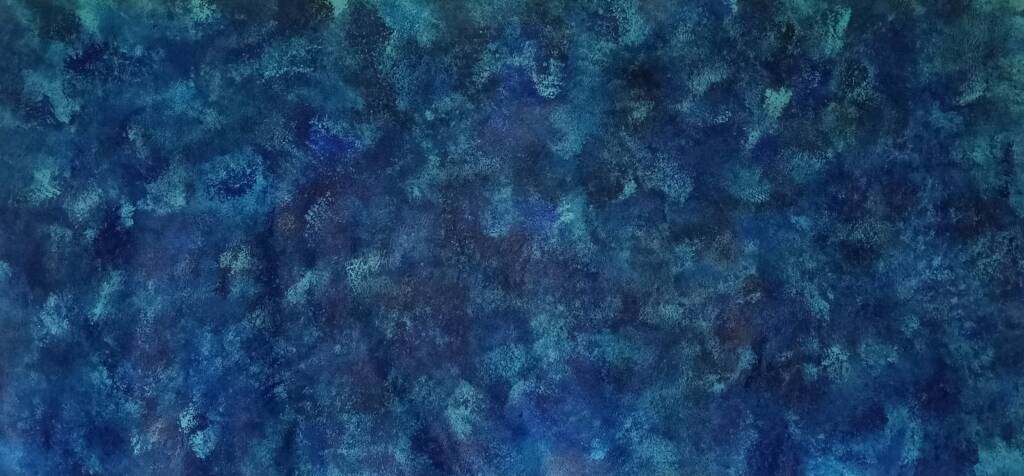
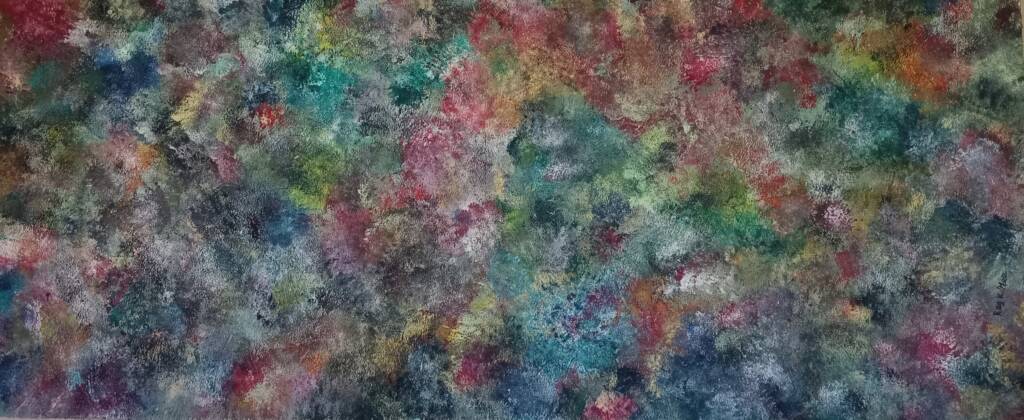
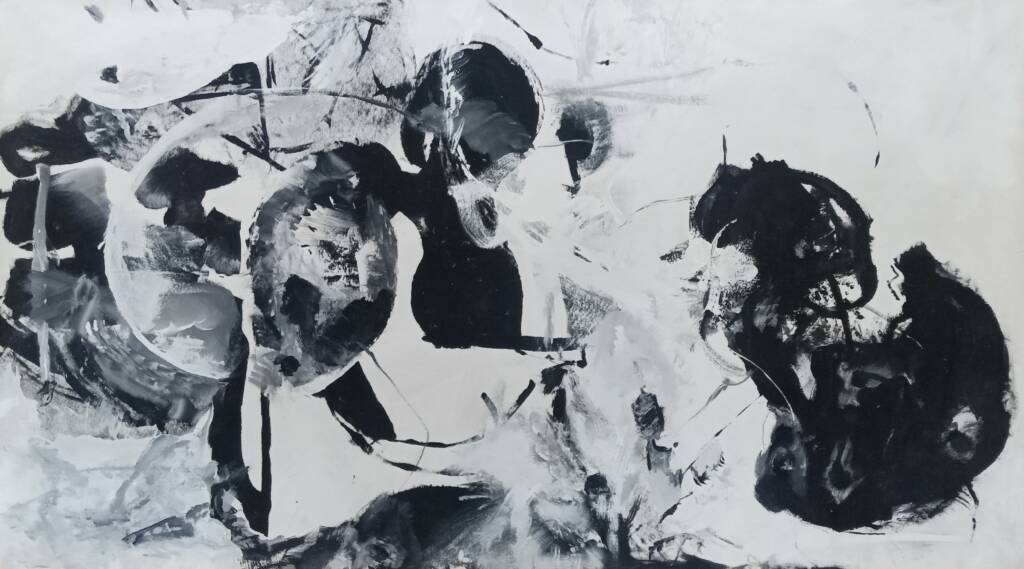
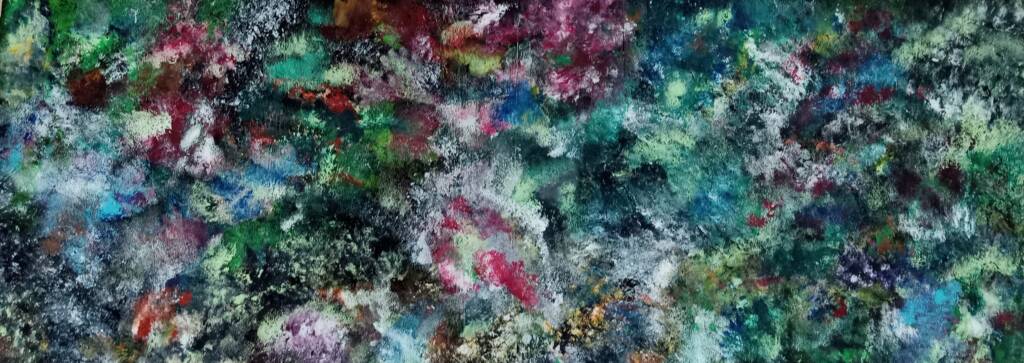
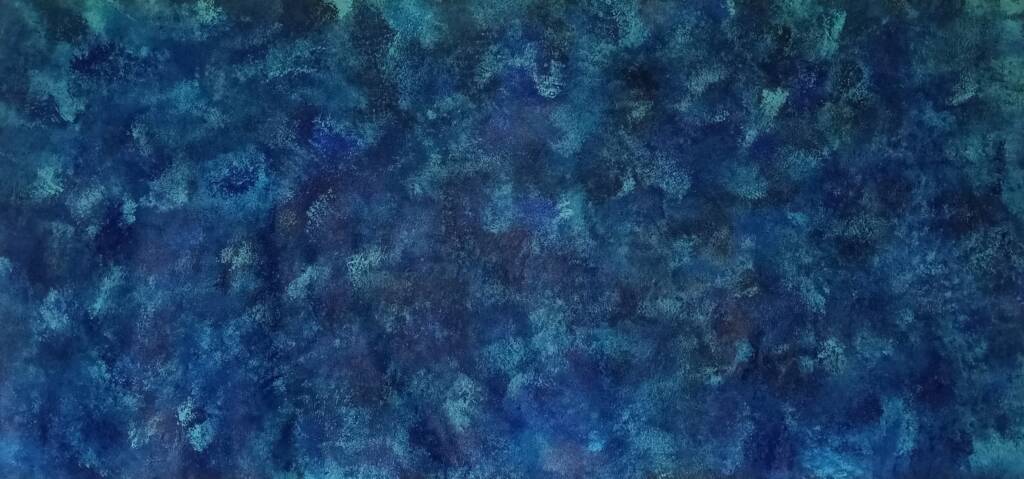
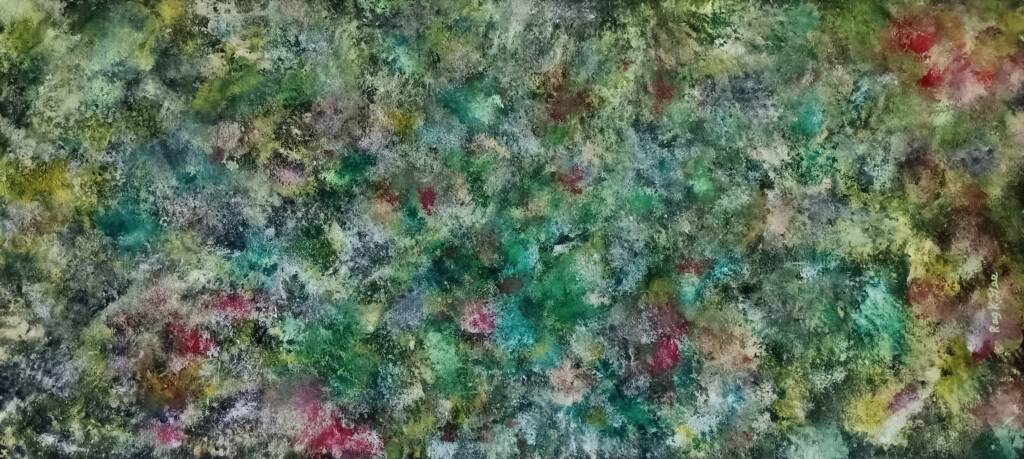
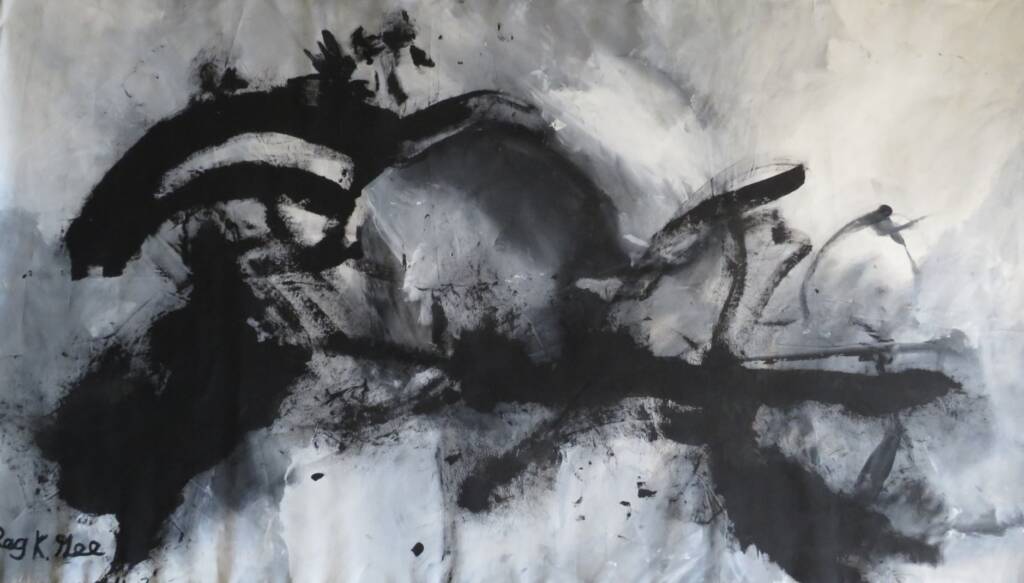
Reginald Gee contemporary abstraction grows out of instinct, curiosity, and the freedom to follow an idea wherever it leads. His practice is rooted in the belief that creation is both a search and a release. As a result, each work begins with a moment of impulse—an act of reaching toward something unseen and allowing the process itself to reveal what had not yet appeared in the mind.
Gee’s relationship with abstraction began in the early 1980s, when he first studied the work of twentieth-century abstract artists. By 1984, the pull toward art as a professional path had become undeniable. Two years later, he formally entered the art world through a group exhibition featuring pastel and ink works on board. At that stage, his early pieces included representational and figurative imagery, along with Pop Art-inspired paintings that reimagined universal barcodes as visual symbols.
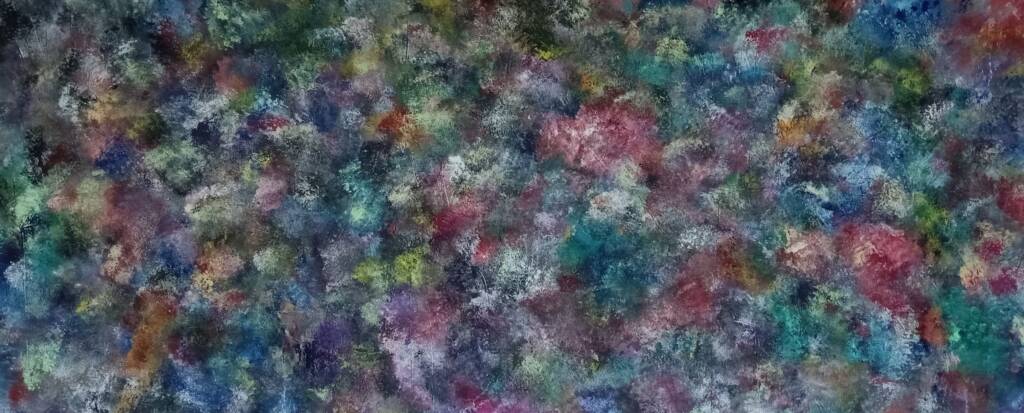
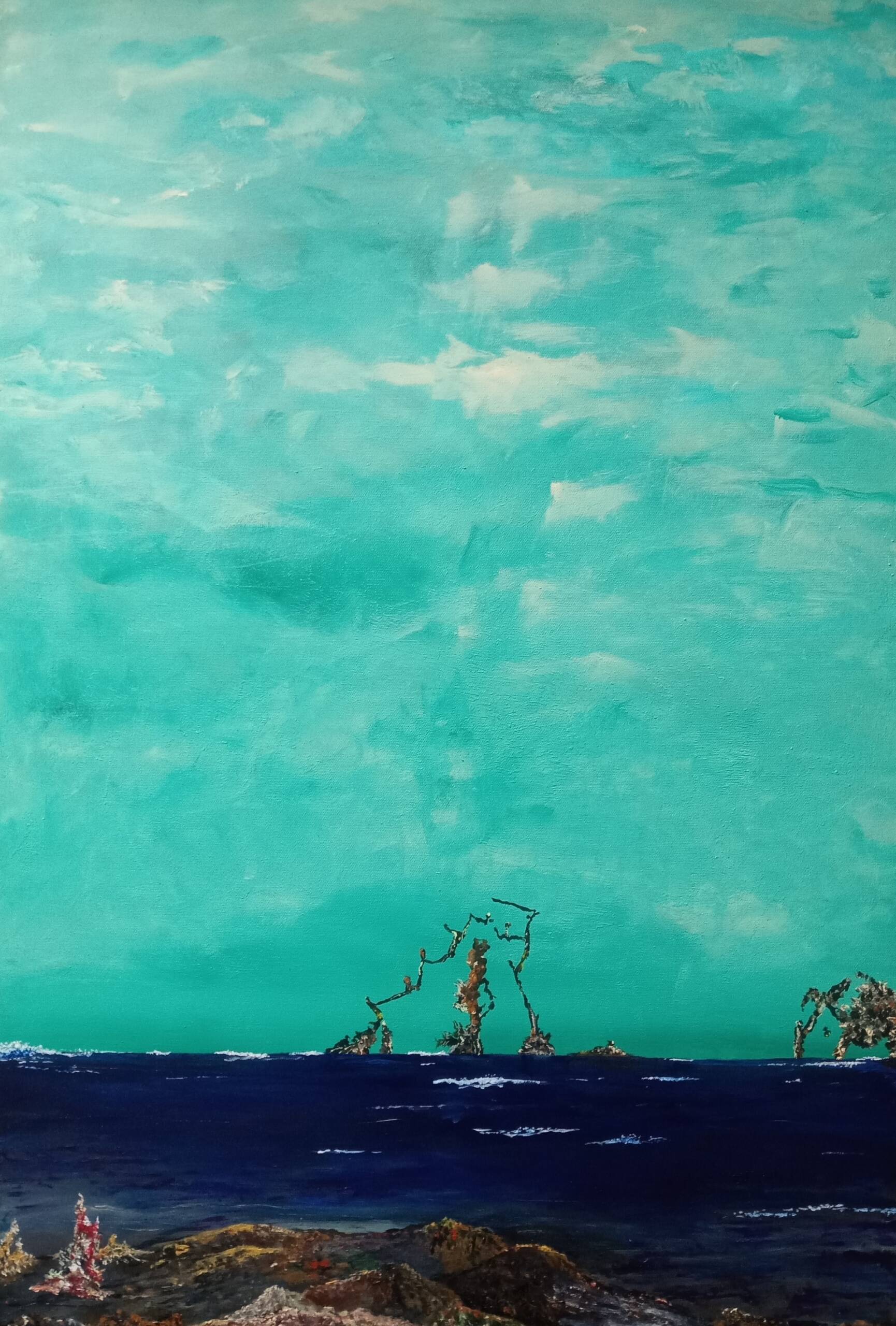
However, abstraction soon became the central language of his practice. For Gee, abstraction offers the highest degree of artistic freedom. Unlike representation, which describes something already known, abstraction creates room for discovery. In this way, Reginald Gee contemporary abstraction allows the artist to work without rigid rules while also opening the door to multiple interpretations.
The Impulse Behind the Abstraction
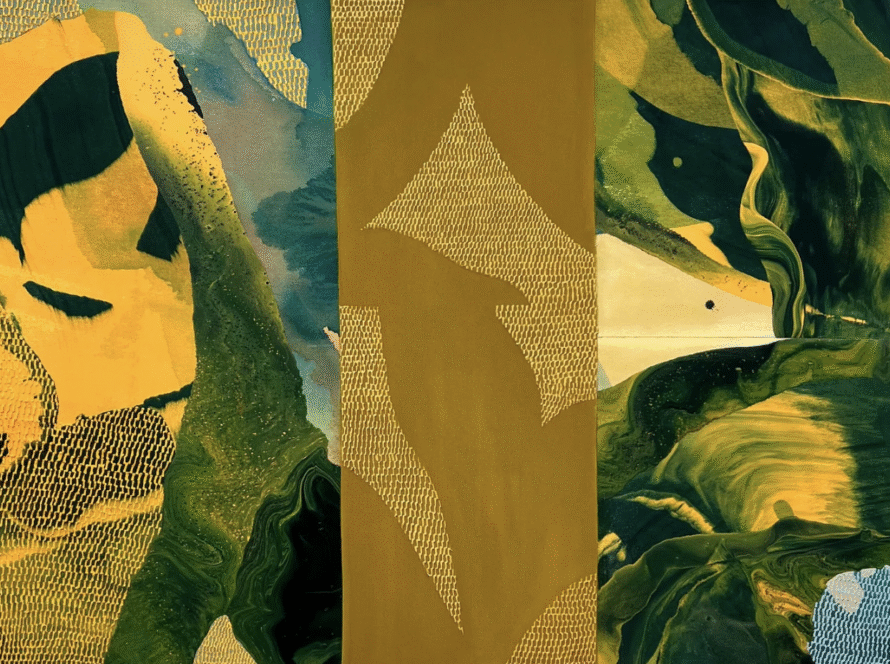
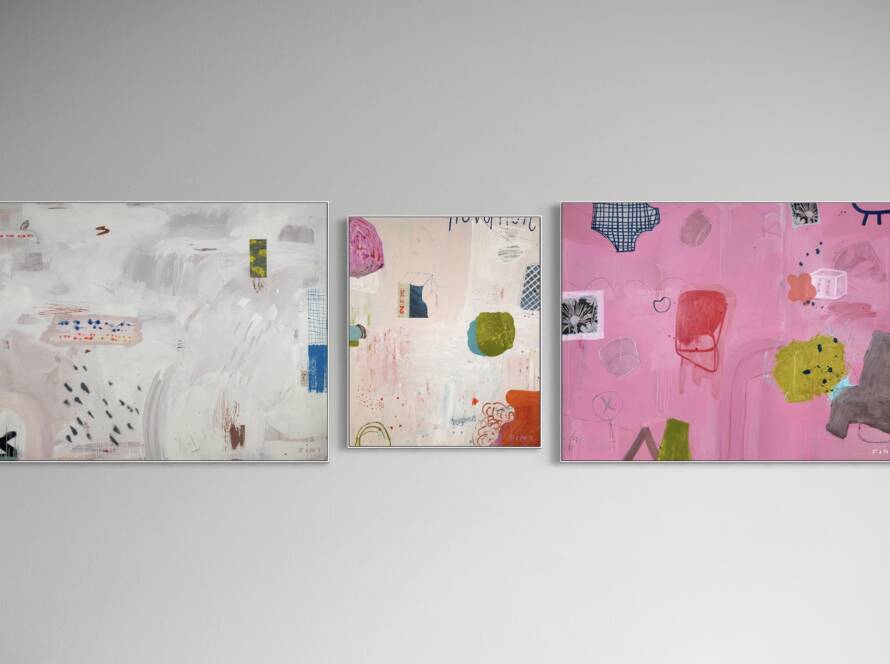
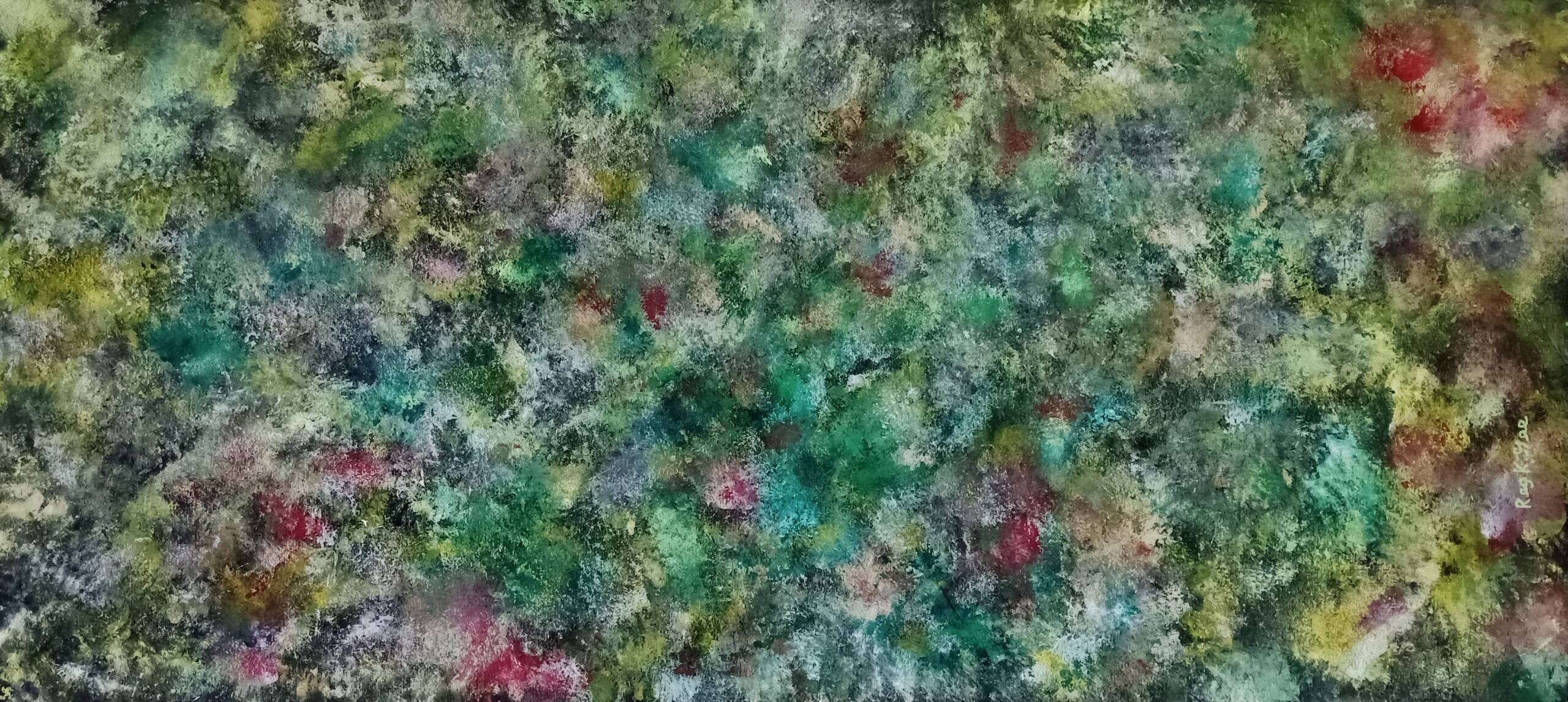
At the core of Reginald Gee contemporary abstraction is immediacy. Many of his most compelling works begin with spontaneous movement, where pigment shifts across the surface until an unexpected image starts to appear. Consequently, the process is guided less by fixed structure and more by instinct, rhythm, and momentum.
For Gee, there is a special beauty in the moment when a just-formed idea becomes visible. Sometimes a painting develops in under an hour as he follows the energy of a newly sparked thought. At other times, the process becomes slower and more deliberate, unfolding across months as layers build and new forms emerge.
This balance between impulse and patience shapes the rhythm of his studio practice. A painting may begin with one sudden gesture. Yet it continues through close observation and an ongoing response to what happens on the surface.
A Practice Beyond the Canvas
Although painting remains the foundation of his work, Reginald Gee’s creative practice extends into sculpture, photography, music, and writing. In addition, his portfolio includes small clay sculptures, particularly figurative works shaped through a tactile relationship with earth-based materials.
Spontaneous photography also plays an important role in his process. Gee often captures brief visual moments that appear without warning, reinforcing his belief that inspiration can rise anywhere and at any time.
Likewise, music serves as another outlet for expression. Through improvisational performances on keyboard and alto saxophone, Gee explores sound in much the same way he approaches visual art. Melody, rhythm, and tone develop through experimentation and instinct, echoing the same energy found in Reginald Gee contemporary abstraction.
Reginald Gee Contemporary Abstract Art as Expression
Ultimately, Reginald K. Gee describes his work through a single word: expression. Rather than aligning himself with one movement or strict technical framework, he centers his art on feeling, emotion, and intuitive making.
For Gee, creativity resembles a river filled with hidden treasures. The artist’s role is simply to follow the current and uncover what appears along the way. Therefore, every work becomes both a discovery and a reflection of something larger than the individual maker.
His paintings invite viewers into that same process of exploration, where meaning continues to shift through perception, interpretation, and personal experience. In the end, Reginald Gee contemporary abstraction becomes not just a style, but a way of seeing, feeling, and uncovering what lies beneath the surface.
Work Samples